Disclosing atheism

Anonymous
Anonymous wrote:
Anonymous wrote:
Anonymous wrote:
Anonymous wrote:
Anonymous wrote:
Anonymous wrote:
Anonymous wrote:
Anonymous wrote:
Anonymous wrote:
Anonymous wrote:
Anonymous wrote:
Anonymous wrote:
Anonymous wrote:
Anonymous wrote:
Anonymous wrote:
Anonymous wrote:
Anonymous wrote:
Anonymous wrote:I don’t see the atheists here trying to genuinely engage with the mission of Christians.


What is "the mission"?


+1 also, do you expect people of other religions to engage with the Christian "mission"?


The mission of Christianity is to spread the good news. Did you go to Sunday school? It is fundamental to the very essence of Christianity. World history has been shaped by this mission. To ignore this fact is to to ignore reality. It is what it is. To genuinely engage in discussion with Christians is to accept what they have been taught over and over again throughout time. You cannot genuinely engage with a Christian in debate if you ignore this about them. No matter how frustrating it is.


Sorry, but I can't really believe that Christians expect people of other religions and no religion to engage with them if it only can mean becoming a Christian. Seems to me that in the US people are taught to respect other religions but not taught to expect others to convert to their religion. Slowly, that respect is being extending to people who do not practice any religion.


We might be arguing past each other. I am talking about those who wish to not insult Christians. You would start by respecting what they believe, nothing more. And I didn’t say that Christians “expect” others to concert.


Are you saying that "spreading the good news" is not related to people who are not Christians becoming Christians?


No I am not saying that. I am saying that is where they are coming from if you would like to understand them so as not to insult them.


I think I understand - you are saying Christians (I used to be one) believe they are doing something good and others who don't share that belief should not express it, to avoid insulting Christians. Is that right?


Not quite. In OP’s situation, I would’ve answered the question the neighbor asked. “What church do you go to?” “Oh, I don’t go to church.” And then see what the neighbor says. Perhaps the neighbor lets it drop because the conversation was getting too personal for that particular social gathering. If the neighbor pushed it, then I would disclose that I was atheist. The neighbor should then respectfully engage in normal conversation and not pass judgment, just as the atheist did.


From the OP:
"...they asked me about my faith, where I go to church etc."


Seems like Christian pp is expecting people to place protecting religious beliefs over expressing their (non)belief. I disagree, but think I can understand how a religious person would feel this way. They are accustomed to it and feel threatened by such a change. It's relatively rare and recent that people would openly express their atheism as OP did.

Atheists no longer "know their place" like women and gays before them.


So atheists have had to struggle for civil rights? No.

Atheists (here) have terrible personalities and are too sensitive, while seeing everything as an attack. They aren’t fighting for rights. Get over yourself.


Atheists as a percentage of American society: 20-29%
https://en.wikipedia.org/wiki/Irreligion_in_the_United_States#

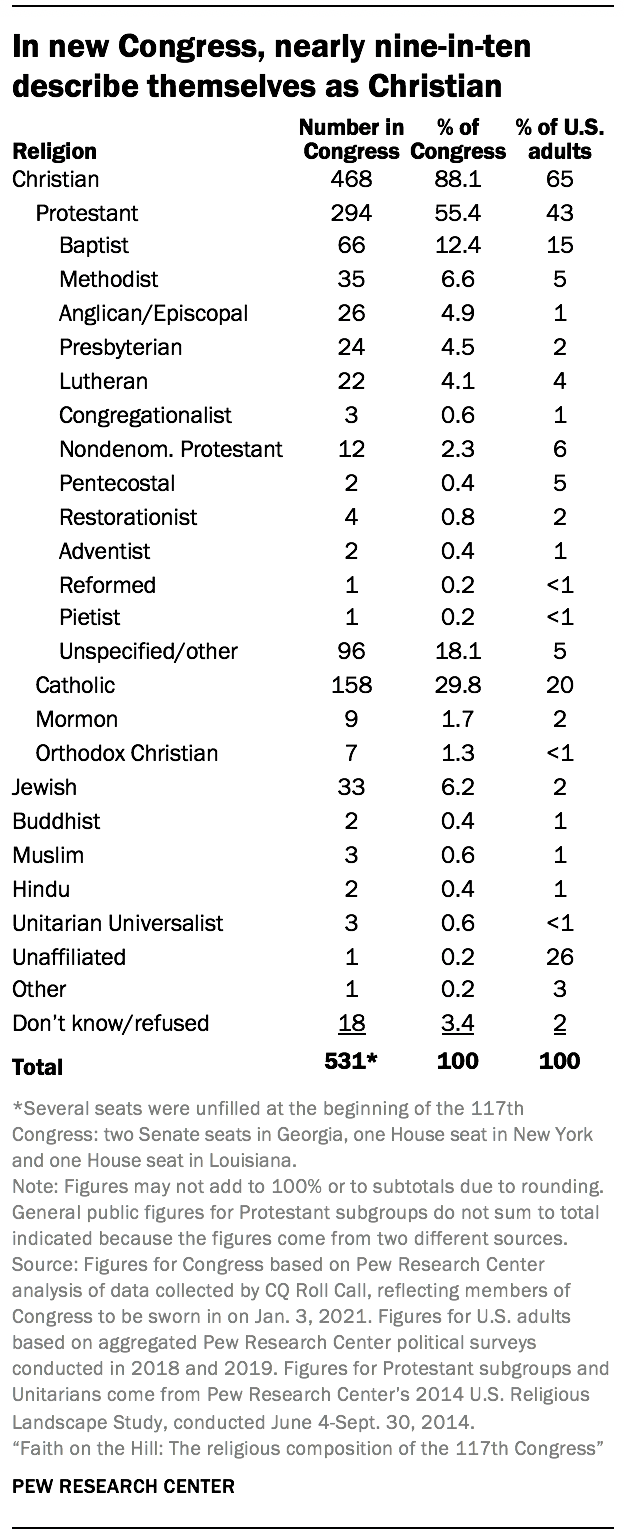
Atheists as a percentage of congress, executive branch or supreme court: < 0.2%
https://www.pewresearch.org/religion/2021/01/04/faith-on-the-hill-2021/

You don't think we struggle for civil rights?


americans vote for people who are qualified, trustworthy, and likable. It’s not the voter’s fault so few atheist candidates are qualified, trustworthy, or likable.


I think the point was that there are candidates who are atheist and qualified, trustworthy, and likable, but don't identify as atheists because they fear it would cause them to lose. So they identify as Christians as a way to help them win.

Sort of like the way candidates used to hide their homosexuality, but often don't anymore.


how ethical is an atheist who lies about who they are to win an election? especially an atheist who pretends to believe in something they do not to gain political power? are their morals say or do anything to win? lie to voters?


More honest than the religious extremists on the SCOTUS who LIED to get the chance to force their beliefs on others.


It’s also no different than all the supposed pious Catholics in congress who are running around cheating on their wives and regularly lying to voters about … everything.
Anonymous
Anonymous wrote:
Anonymous wrote:
Anonymous wrote:
Anonymous wrote:
Anonymous wrote:
Anonymous wrote:
Anonymous wrote:
Anonymous wrote:
Anonymous wrote:
Anonymous wrote:
Anonymous wrote:
Anonymous wrote:
Anonymous wrote:
Anonymous wrote:
Anonymous wrote:
Anonymous wrote:
Anonymous wrote:I don’t see the atheists here trying to genuinely engage with the mission of Christians.


What is "the mission"?


+1 also, do you expect people of other religions to engage with the Christian "mission"?


The mission of Christianity is to spread the good news. Did you go to Sunday school? It is fundamental to the very essence of Christianity. World history has been shaped by this mission. To ignore this fact is to to ignore reality. It is what it is. To genuinely engage in discussion with Christians is to accept what they have been taught over and over again throughout time. You cannot genuinely engage with a Christian in debate if you ignore this about them. No matter how frustrating it is.


Sorry, but I can't really believe that Christians expect people of other religions and no religion to engage with them if it only can mean becoming a Christian. Seems to me that in the US people are taught to respect other religions but not taught to expect others to convert to their religion. Slowly, that respect is being extending to people who do not practice any religion.


We might be arguing past each other. I am talking about those who wish to not insult Christians. You would start by respecting what they believe, nothing more. And I didn’t say that Christians “expect” others to concert.


Are you saying that "spreading the good news" is not related to people who are not Christians becoming Christians?


No I am not saying that. I am saying that is where they are coming from if you would like to understand them so as not to insult them.


I think I understand - you are saying Christians (I used to be one) believe they are doing something good and others who don't share that belief should not express it, to avoid insulting Christians. Is that right?


Not quite. In OP’s situation, I would’ve answered the question the neighbor asked. “What church do you go to?” “Oh, I don’t go to church.” And then see what the neighbor says. Perhaps the neighbor lets it drop because the conversation was getting too personal for that particular social gathering. If the neighbor pushed it, then I would disclose that I was atheist. The neighbor should then respectfully engage in normal conversation and not pass judgment, just as the atheist did.


From the OP:
"...they asked me about my faith, where I go to church etc."


Seems like Christian pp is expecting people to place protecting religious beliefs over expressing their (non)belief. I disagree, but think I can understand how a religious person would feel this way. They are accustomed to it and feel threatened by such a change. It's relatively rare and recent that people would openly express their atheism as OP did.

Atheists no longer "know their place" like women and gays before them.


So atheists have had to struggle for civil rights? No.

Atheists (here) have terrible personalities and are too sensitive, while seeing everything as an attack. They aren’t fighting for rights. Get over yourself.


Atheists as a percentage of American society: 20-29%
https://en.wikipedia.org/wiki/Irreligion_in_the_United_States#

Atheists as a percentage of congress, executive branch or supreme court: < 0.2%
https://www.pewresearch.org/religion/2021/01/04/faith-on-the-hill-2021/

You don't think we struggle for civil rights?


americans vote for people who are qualified, trustworthy, and likable. It’s not the voter’s fault so few atheist candidates are qualified, trustworthy, or likable.


Thanks for saying it out loud! Everyone, there is your evidence.


Candidates for political office aren’t owed anyone’s vote.

If people don’t like atheists, they probably won’t vote for an atheist.

If as pp claimed above that atheists often lie that they are religious to win elections and gain political power- can you blame voters for not trusting them?


No, pp did not say that, as anyone can see by reading that post. Pp said "they identify as Christians". and most likely they are christians, in terms of heritage, church membership, etc, just as many atheists attend religious services.

MD Rep. Jamie Raskin, is Jewish and calls himself a humanist. Humanists (and lots of Jews) don't believe in God. But he chooses not to call himself an atheist. Fine.

It matters only to the atheist-accusatory pp and the few, if any, readers who take that person seriously.
Anonymous
Anonymous wrote:
Anonymous wrote:
Anonymous wrote:
Anonymous wrote:
Anonymous wrote:
Anonymous wrote:
Anonymous wrote:
Anonymous wrote:
Anonymous wrote:
Anonymous wrote:
Anonymous wrote:
Anonymous wrote:
Anonymous wrote:
Anonymous wrote:
Anonymous wrote:
Anonymous wrote:
Anonymous wrote:
Anonymous wrote:I don’t see the atheists here trying to genuinely engage with the mission of Christians.


What is "the mission"?


+1 also, do you expect people of other religions to engage with the Christian "mission"?


The mission of Christianity is to spread the good news. Did you go to Sunday school? It is fundamental to the very essence of Christianity. World history has been shaped by this mission. To ignore this fact is to to ignore reality. It is what it is. To genuinely engage in discussion with Christians is to accept what they have been taught over and over again throughout time. You cannot genuinely engage with a Christian in debate if you ignore this about them. No matter how frustrating it is.


Sorry, but I can't really believe that Christians expect people of other religions and no religion to engage with them if it only can mean becoming a Christian. Seems to me that in the US people are taught to respect other religions but not taught to expect others to convert to their religion. Slowly, that respect is being extending to people who do not practice any religion.


We might be arguing past each other. I am talking about those who wish to not insult Christians. You would start by respecting what they believe, nothing more. And I didn’t say that Christians “expect” others to concert.


Are you saying that "spreading the good news" is not related to people who are not Christians becoming Christians?


No I am not saying that. I am saying that is where they are coming from if you would like to understand them so as not to insult them.


I think I understand - you are saying Christians (I used to be one) believe they are doing something good and others who don't share that belief should not express it, to avoid insulting Christians. Is that right?


Not quite. In OP’s situation, I would’ve answered the question the neighbor asked. “What church do you go to?” “Oh, I don’t go to church.” And then see what the neighbor says. Perhaps the neighbor lets it drop because the conversation was getting too personal for that particular social gathering. If the neighbor pushed it, then I would disclose that I was atheist. The neighbor should then respectfully engage in normal conversation and not pass judgment, just as the atheist did.


From the OP:
"...they asked me about my faith, where I go to church etc."


Seems like Christian pp is expecting people to place protecting religious beliefs over expressing their (non)belief. I disagree, but think I can understand how a religious person would feel this way. They are accustomed to it and feel threatened by such a change. It's relatively rare and recent that people would openly express their atheism as OP did.

Atheists no longer "know their place" like women and gays before them.


So atheists have had to struggle for civil rights? No.

Atheists (here) have terrible personalities and are too sensitive, while seeing everything as an attack. They aren’t fighting for rights. Get over yourself.


Atheists as a percentage of American society: 20-29%
https://en.wikipedia.org/wiki/Irreligion_in_the_United_States#

Atheists as a percentage of congress, executive branch or supreme court: < 0.2%
https://www.pewresearch.org/religion/2021/01/04/faith-on-the-hill-2021/

You don't think we struggle for civil rights?


americans vote for people who are qualified, trustworthy, and likable. It’s not the voter’s fault so few atheist candidates are qualified, trustworthy, or likable.


Thanks for saying it out loud! Everyone, there is your evidence.


Candidates for political office aren’t owed anyone’s vote.

If people don’t like atheists, they probably won’t vote for an atheist.

If as pp claimed above that atheists often lie that they are religious to win elections and gain political power- can you blame voters for not trusting them?


No, pp did not say that, as anyone can see by reading that post. Pp said "they identify as Christians". and most likely they are christians, in terms of heritage, church membership, etc, just as many atheists attend religious services.

MD Rep. Jamie Raskin, is Jewish and calls himself a humanist. Humanists (and lots of Jews) don't believe in God. But he chooses not to call himself an atheist. Fine.

It matters only to the atheist-accusatory pp and the few, if any, readers who take that person seriously.


“I think the point was that there are candidates who are atheist and qualified, trustworthy, and likable, but don't identify as atheists because they fear it would cause them to lose. So they identify as Christians as a way to help them win.

Sort of like the way candidates used to hide their homosexuality, but often don't anymore.”

First of all- if you didn’t post this- stop trying to speak for the pp. The pp clearly stated that atheists tell voters they are Christian and deny what they believe publicly and deceive voters.
Anonymous
Anonymous wrote:
Anonymous wrote:
Anonymous wrote:
Anonymous wrote:
Anonymous wrote:
Anonymous wrote:
Anonymous wrote:
Anonymous wrote:
Anonymous wrote:
Anonymous wrote:
Anonymous wrote:
Anonymous wrote:
Anonymous wrote:
Anonymous wrote:
Anonymous wrote:
Anonymous wrote:
Anonymous wrote:
Anonymous wrote:
Anonymous wrote:I don’t see the atheists here trying to genuinely engage with the mission of Christians.


What is "the mission"?


+1 also, do you expect people of other religions to engage with the Christian "mission"?


The mission of Christianity is to spread the good news. Did you go to Sunday school? It is fundamental to the very essence of Christianity. World history has been shaped by this mission. To ignore this fact is to to ignore reality. It is what it is. To genuinely engage in discussion with Christians is to accept what they have been taught over and over again throughout time. You cannot genuinely engage with a Christian in debate if you ignore this about them. No matter how frustrating it is.


Sorry, but I can't really believe that Christians expect people of other religions and no religion to engage with them if it only can mean becoming a Christian. Seems to me that in the US people are taught to respect other religions but not taught to expect others to convert to their religion. Slowly, that respect is being extending to people who do not practice any religion.


We might be arguing past each other. I am talking about those who wish to not insult Christians. You would start by respecting what they believe, nothing more. And I didn’t say that Christians “expect” others to concert.


Are you saying that "spreading the good news" is not related to people who are not Christians becoming Christians?


No I am not saying that. I am saying that is where they are coming from if you would like to understand them so as not to insult them.


I think I understand - you are saying Christians (I used to be one) believe they are doing something good and others who don't share that belief should not express it, to avoid insulting Christians. Is that right?


Not quite. In OP’s situation, I would’ve answered the question the neighbor asked. “What church do you go to?” “Oh, I don’t go to church.” And then see what the neighbor says. Perhaps the neighbor lets it drop because the conversation was getting too personal for that particular social gathering. If the neighbor pushed it, then I would disclose that I was atheist. The neighbor should then respectfully engage in normal conversation and not pass judgment, just as the atheist did.


From the OP:
"...they asked me about my faith, where I go to church etc."


Seems like Christian pp is expecting people to place protecting religious beliefs over expressing their (non)belief. I disagree, but think I can understand how a religious person would feel this way. They are accustomed to it and feel threatened by such a change. It's relatively rare and recent that people would openly express their atheism as OP did.

Atheists no longer "know their place" like women and gays before them.


So atheists have had to struggle for civil rights? No.

Atheists (here) have terrible personalities and are too sensitive, while seeing everything as an attack. They aren’t fighting for rights. Get over yourself.


Atheists as a percentage of American society: 20-29%
https://en.wikipedia.org/wiki/Irreligion_in_the_United_States#

Atheists as a percentage of congress, executive branch or supreme court: < 0.2%
https://www.pewresearch.org/religion/2021/01/04/faith-on-the-hill-2021/

You don't think we struggle for civil rights?


americans vote for people who are qualified, trustworthy, and likable. It’s not the voter’s fault so few atheist candidates are qualified, trustworthy, or likable.


Thanks for saying it out loud! Everyone, there is your evidence.


Candidates for political office aren’t owed anyone’s vote.

If people don’t like atheists, they probably won’t vote for an atheist.

If as pp claimed above that atheists often lie that they are religious to win elections and gain political power- can you blame voters for not trusting them?


No, pp did not say that, as anyone can see by reading that post. Pp said "they identify as Christians". and most likely they are christians, in terms of heritage, church membership, etc, just as many atheists attend religious services.

MD Rep. Jamie Raskin, is Jewish and calls himself a humanist. Humanists (and lots of Jews) don't believe in God. But he chooses not to call himself an atheist. Fine.

It matters only to the atheist-accusatory pp and the few, if any, readers who take that person seriously.


“I think the point was that there are candidates who are atheist and qualified, trustworthy, and likable, but don't identify as atheists because they fear it would cause them to lose. So they identify as Christians as a way to help them win.

Sort of like the way candidates used to hide their homosexuality, but often don't anymore.”

First of all- if you didn’t post this- stop trying to speak for the pp. The pp clearly stated that atheists tell voters they are Christian and deny what they believe publicly and deceive voters.


Please stop trying to talk for pp
Anonymous
Anonymous wrote:
Anonymous wrote:
Anonymous wrote:
Anonymous wrote:
Anonymous wrote:
Anonymous wrote:
Anonymous wrote:
Anonymous wrote:
Anonymous wrote:
Anonymous wrote:
Anonymous wrote:
Anonymous wrote:
Anonymous wrote:
Anonymous wrote:
Anonymous wrote:
Anonymous wrote:
Anonymous wrote:
Anonymous wrote:
Anonymous wrote:
Anonymous wrote:I don’t see the atheists here trying to genuinely engage with the mission of Christians.


What is "the mission"?


+1 also, do you expect people of other religions to engage with the Christian "mission"?


The mission of Christianity is to spread the good news. Did you go to Sunday school? It is fundamental to the very essence of Christianity. World history has been shaped by this mission. To ignore this fact is to to ignore reality. It is what it is. To genuinely engage in discussion with Christians is to accept what they have been taught over and over again throughout time. You cannot genuinely engage with a Christian in debate if you ignore this about them. No matter how frustrating it is.


Sorry, but I can't really believe that Christians expect people of other religions and no religion to engage with them if it only can mean becoming a Christian. Seems to me that in the US people are taught to respect other religions but not taught to expect others to convert to their religion. Slowly, that respect is being extending to people who do not practice any religion.


We might be arguing past each other. I am talking about those who wish to not insult Christians. You would start by respecting what they believe, nothing more. And I didn’t say that Christians “expect” others to concert.


Are you saying that "spreading the good news" is not related to people who are not Christians becoming Christians?


No I am not saying that. I am saying that is where they are coming from if you would like to understand them so as not to insult them.


I think I understand - you are saying Christians (I used to be one) believe they are doing something good and others who don't share that belief should not express it, to avoid insulting Christians. Is that right?


Not quite. In OP’s situation, I would’ve answered the question the neighbor asked. “What church do you go to?” “Oh, I don’t go to church.” And then see what the neighbor says. Perhaps the neighbor lets it drop because the conversation was getting too personal for that particular social gathering. If the neighbor pushed it, then I would disclose that I was atheist. The neighbor should then respectfully engage in normal conversation and not pass judgment, just as the atheist did.


From the OP:
"...they asked me about my faith, where I go to church etc."


Seems like Christian pp is expecting people to place protecting religious beliefs over expressing their (non)belief. I disagree, but think I can understand how a religious person would feel this way. They are accustomed to it and feel threatened by such a change. It's relatively rare and recent that people would openly express their atheism as OP did.

Atheists no longer "know their place" like women and gays before them.


So atheists have had to struggle for civil rights? No.

Atheists (here) have terrible personalities and are too sensitive, while seeing everything as an attack. They aren’t fighting for rights. Get over yourself.


Atheists as a percentage of American society: 20-29%
https://en.wikipedia.org/wiki/Irreligion_in_the_United_States#

Atheists as a percentage of congress, executive branch or supreme court: < 0.2%
https://www.pewresearch.org/religion/2021/01/04/faith-on-the-hill-2021/

You don't think we struggle for civil rights?


americans vote for people who are qualified, trustworthy, and likable. It’s not the voter’s fault so few atheist candidates are qualified, trustworthy, or likable.


Thanks for saying it out loud! Everyone, there is your evidence.


Candidates for political office aren’t owed anyone’s vote.

If people don’t like atheists, they probably won’t vote for an atheist.

If as pp claimed above that atheists often lie that they are religious to win elections and gain political power- can you blame voters for not trusting them?


No, pp did not say that, as anyone can see by reading that post. Pp said "they identify as Christians". and most likely they are christians, in terms of heritage, church membership, etc, just as many atheists attend religious services.

MD Rep. Jamie Raskin, is Jewish and calls himself a humanist. Humanists (and lots of Jews) don't believe in God. But he chooses not to call himself an atheist. Fine.

It matters only to the atheist-accusatory pp and the few, if any, readers who take that person seriously.


“I think the point was that there are candidates who are atheist and qualified, trustworthy, and likable, but don't identify as atheists because they fear it would cause them to lose. So they identify as Christians as a way to help them win.

Sort of like the way candidates used to hide their homosexuality, but often don't anymore.”

First of all- if you didn’t post this- stop trying to speak for the pp. The pp clearly stated that atheists tell voters they are Christian and deny what they believe publicly and deceive voters.


Please stop trying to talk for pp


“I think the point was that there are candidates who are atheist and qualified, trustworthy, and likable, but don't identify as atheists because they fear it would cause them to lose. So they identify as Christians as a way to help them win.

Sort of like the way candidates used to hide their homosexuality, but often don't anymore.”

These are pp’s own words. Atheists who run for public office have to hide their atheism the way homosexuals used to hide their sexuality. The atheist political candidate hides their atheism and claims to be religious, so people will vote for them.

That’s exactly what pp wrote.


Anonymous
Anonymous wrote:
Anonymous wrote:
Anonymous wrote:
Anonymous wrote:
Anonymous wrote:
Anonymous wrote:
Anonymous wrote:The Santa/god comparison is a proxy for the religious/atheist comparison.

In what way?


The pp who keeps saying that there is no god just as there is no Santa is actually saying religion is based on Santa. It misses the point of the debate where belief is based on faith. It’s almost gaslighting. You can’t skip that step without losing credibility.


Isn’t belief in Santa based on faith?


This prompts a question that is rarely answered:

What could not be believed on faith?

If the answer is “close to nothing” then how is faith a path to truth?


Faith CAN be a path to truth, but it may not, as well. Don't think in terms of just religious faith, but faith that eventually the truth will out, or your dream will come true, whatever. Sometimes, if you wait long enough or work hard enough and or get lucky, your faith will pay off, e.g., siblings reunited after a lifetime apart.

Whether that happens with religion, at least in terms of everlasting life, we don't know, because no one has come back from the dead (except Jesus, if you believe that story). But it does seem that prayers are sometimes answered (sometimes, not) so that could encourage people to believe in religion. Also, prayer - form of meditation - can just feel good, whether your prayers are answered or not.


So…”faith” is a hope.

Np.
I think "faith" depends on who is defining it. For some, yes, it's probably hope.
For others, it may be synonymous with their religious or philosophical beliefs.
Faith could be a sense of belonging or community.
Are we taking about "my faith" as a noun, or "having faith" as a verb?
Is faith supposed to be a "path to truth"? I've never thought of my faith that way. It can be a path to happiness, belonging, peace, etc. But then I've never thought of my faith as something that I got "right" and all other faiths are "wrong."
Anonymous
Anonymous wrote:
Anonymous wrote:
Anonymous wrote:
Anonymous wrote:
Anonymous wrote:
Anonymous wrote:
Anonymous wrote:
Anonymous wrote:The Santa/god comparison is a proxy for the religious/atheist comparison.

In what way?


The pp who keeps saying that there is no god just as there is no Santa is actually saying religion is based on Santa. It misses the point of the debate where belief is based on faith. It’s almost gaslighting. You can’t skip that step without losing credibility.


Isn’t belief in Santa based on faith?


This prompts a question that is rarely answered:

What could not be believed on faith?

If the answer is “close to nothing” then how is faith a path to truth?


Faith CAN be a path to truth, but it may not, as well. Don't think in terms of just religious faith, but faith that eventually the truth will out, or your dream will come true, whatever. Sometimes, if you wait long enough or work hard enough and or get lucky, your faith will pay off, e.g., siblings reunited after a lifetime apart.

Whether that happens with religion, at least in terms of everlasting life, we don't know, because no one has come back from the dead (except Jesus, if you believe that story). But it does seem that prayers are sometimes answered (sometimes, not) so that could encourage people to believe in religion. Also, prayer - form of meditation - can just feel good, whether your prayers are answered or not.


So…”faith” is a hope.

Np.
I think "faith" depends on who is defining it. For some, yes, it's probably hope.
For others, it may be synonymous with their religious or philosophical beliefs.
Faith could be a sense of belonging or community.
Are we taking about "my faith" as a noun, or "having faith" as a verb?
Is faith supposed to be a "path to truth"? I've never thought of my faith that way. It can be a path to happiness, belonging, peace, etc. But then I've never thought of my faith as something that I got "right" and all other faiths are "wrong."


Interesting point - that there are different definitions of faith, thus people can mean different things when they talk about it.

When I was religious, I didn't think about faith much, if at all. I thought in terms of religion and belief. And it sounds like, for you, "faith" is not exactly the the same thing as your religion, right? It's more personal, and can vary among people who practice the same religion?
Anonymous
Not being religious is not the same as atheism. The former can relate to level of observance or frequency of practice, not a lack of belief.
Anonymous
Anonymous wrote:Not being religious is not the same as atheism. The former can relate to level of observance or frequency of practice, not a lack of belief.


Correct -- not the same, but a person who says they're not religious, might also think of themselves as an atheist.
Anonymous
OP I was raised as an atheist. I would say that the two groups who receive the most blatant intolerance are Mormons and atheists. It was a difficult childhood and I will never forget those who attacked me. I even thought of moving to a communist country because we would be more acceptable. It’s never ok to attack someone for their beliefs or lack thereof.
Anonymous
Anonymous wrote:OP I was raised as an atheist. I would say that the two groups who receive the most blatant intolerance are Mormons and atheists. It was a difficult childhood and I will never forget those who attacked me. I even thought of moving to a communist country because we would be more acceptable. It’s never ok to attack someone for their beliefs or lack thereof.


Who attacked you? Where were you attacked and why? Did your parents not protect you when you were a child? Were you physically attacked by strangers?
Anonymous
Anonymous wrote:
Anonymous wrote:
Anonymous wrote:
Anonymous wrote:
Anonymous wrote:
Anonymous wrote:
Anonymous wrote:
Anonymous wrote:
Anonymous wrote:
Anonymous wrote:
Anonymous wrote:
Anonymous wrote:
Anonymous wrote:
Anonymous wrote:
Anonymous wrote:
Anonymous wrote:
Anonymous wrote:
Anonymous wrote:
Anonymous wrote:
Anonymous wrote:
Anonymous wrote:I don’t see the atheists here trying to genuinely engage with the mission of Christians.


What is "the mission"?


+1 also, do you expect people of other religions to engage with the Christian "mission"?


The mission of Christianity is to spread the good news. Did you go to Sunday school? It is fundamental to the very essence of Christianity. World history has been shaped by this mission. To ignore this fact is to to ignore reality. It is what it is. To genuinely engage in discussion with Christians is to accept what they have been taught over and over again throughout time. You cannot genuinely engage with a Christian in debate if you ignore this about them. No matter how frustrating it is.


Sorry, but I can't really believe that Christians expect people of other religions and no religion to engage with them if it only can mean becoming a Christian. Seems to me that in the US people are taught to respect other religions but not taught to expect others to convert to their religion. Slowly, that respect is being extending to people who do not practice any religion.


We might be arguing past each other. I am talking about those who wish to not insult Christians. You would start by respecting what they believe, nothing more. And I didn’t say that Christians “expect” others to concert.


Are you saying that "spreading the good news" is not related to people who are not Christians becoming Christians?


No I am not saying that. I am saying that is where they are coming from if you would like to understand them so as not to insult them.


I think I understand - you are saying Christians (I used to be one) believe they are doing something good and others who don't share that belief should not express it, to avoid insulting Christians. Is that right?


Not quite. In OP’s situation, I would’ve answered the question the neighbor asked. “What church do you go to?” “Oh, I don’t go to church.” And then see what the neighbor says. Perhaps the neighbor lets it drop because the conversation was getting too personal for that particular social gathering. If the neighbor pushed it, then I would disclose that I was atheist. The neighbor should then respectfully engage in normal conversation and not pass judgment, just as the atheist did.


From the OP:
"...they asked me about my faith, where I go to church etc."


Seems like Christian pp is expecting people to place protecting religious beliefs over expressing their (non)belief. I disagree, but think I can understand how a religious person would feel this way. They are accustomed to it and feel threatened by such a change. It's relatively rare and recent that people would openly express their atheism as OP did.

Atheists no longer "know their place" like women and gays before them.


So atheists have had to struggle for civil rights? No.

Atheists (here) have terrible personalities and are too sensitive, while seeing everything as an attack. They aren’t fighting for rights. Get over yourself.


Atheists as a percentage of American society: 20-29%
https://en.wikipedia.org/wiki/Irreligion_in_the_United_States#

Atheists as a percentage of congress, executive branch or supreme court: < 0.2%
https://www.pewresearch.org/religion/2021/01/04/faith-on-the-hill-2021/

You don't think we struggle for civil rights?


americans vote for people who are qualified, trustworthy, and likable. It’s not the voter’s fault so few atheist candidates are qualified, trustworthy, or likable.


Thanks for saying it out loud! Everyone, there is your evidence.


Candidates for political office aren’t owed anyone’s vote.

If people don’t like atheists, they probably won’t vote for an atheist.

If as pp claimed above that atheists often lie that they are religious to win elections and gain political power- can you blame voters for not trusting them?


No, pp did not say that, as anyone can see by reading that post. Pp said "they identify as Christians". and most likely they are christians, in terms of heritage, church membership, etc, just as many atheists attend religious services.

MD Rep. Jamie Raskin, is Jewish and calls himself a humanist. Humanists (and lots of Jews) don't believe in God. But he chooses not to call himself an atheist. Fine.

It matters only to the atheist-accusatory pp and the few, if any, readers who take that person seriously.


“I think the point was that there are candidates who are atheist and qualified, trustworthy, and likable, but don't identify as atheists because they fear it would cause them to lose. So they identify as Christians as a way to help them win.

Sort of like the way candidates used to hide their homosexuality, but often don't anymore.”

First of all- if you didn’t post this- stop trying to speak for the pp. The pp clearly stated that atheists tell voters they are Christian and deny what they believe publicly and deceive voters.


Please stop trying to talk for pp


“I think the point was that there are candidates who are atheist and qualified, trustworthy, and likable, but don't identify as atheists because they fear it would cause them to lose. So they identify as Christians as a way to help them win.

Sort of like the way candidates used to hide their homosexuality, but often don't anymore.”

These are pp’s own words. Atheists who run for public office have to hide their atheism the way homosexuals used to hide their sexuality. The atheist political candidate hides their atheism and claims to be religious, so people will vote for them.

That’s exactly what pp wrote.


That doesn't sound ethical. Seems like they need a little religion to give them some guidance in life.
Anonymous
Anonymous wrote:
Anonymous wrote:OP I was raised as an atheist. I would say that the two groups who receive the most blatant intolerance are Mormons and atheists. It was a difficult childhood and I will never forget those who attacked me. I even thought of moving to a communist country because we would be more acceptable. It’s never ok to attack someone for their beliefs or lack thereof.


Who attacked you? Where were you attacked and why? Did your parents not protect you when you were a child? Were you physically attacked by strangers?

NP. These third degree questions come off as victim blaming.
Anonymous
Anonymous wrote:
Anonymous wrote:
Anonymous wrote:OP I was raised as an atheist. I would say that the two groups who receive the most blatant intolerance are Mormons and atheists. It was a difficult childhood and I will never forget those who attacked me. I even thought of moving to a communist country because we would be more acceptable. It’s never ok to attack someone for their beliefs or lack thereof.


Who attacked you? Where were you attacked and why? Did your parents not protect you when you were a child? Were you physically attacked by strangers?

NP. These third degree questions come off as victim blaming.


Not victim blaming whatsoever. Being attacked as a child for any reason is criminal! Whomever attacked atheist pp should be in jail. How could a child be attacked and their parents not call police?
Anonymous
Anonymous wrote:
Anonymous wrote:
Anonymous wrote:
Anonymous wrote:
Anonymous wrote:
Anonymous wrote:
Anonymous wrote:
Anonymous wrote:
Anonymous wrote:
Anonymous wrote:
Anonymous wrote:
Anonymous wrote:
Anonymous wrote:
Anonymous wrote:
Anonymous wrote:
Anonymous wrote:
Anonymous wrote:
Anonymous wrote:
Anonymous wrote:
Anonymous wrote:
Anonymous wrote:
Anonymous wrote:I don’t see the atheists here trying to genuinely engage with the mission of Christians.


What is "the mission"?


+1 also, do you expect people of other religions to engage with the Christian "mission"?


The mission of Christianity is to spread the good news. Did you go to Sunday school? It is fundamental to the very essence of Christianity. World history has been shaped by this mission. To ignore this fact is to to ignore reality. It is what it is. To genuinely engage in discussion with Christians is to accept what they have been taught over and over again throughout time. You cannot genuinely engage with a Christian in debate if you ignore this about them. No matter how frustrating it is.


Sorry, but I can't really believe that Christians expect people of other religions and no religion to engage with them if it only can mean becoming a Christian. Seems to me that in the US people are taught to respect other religions but not taught to expect others to convert to their religion. Slowly, that respect is being extending to people who do not practice any religion.


We might be arguing past each other. I am talking about those who wish to not insult Christians. You would start by respecting what they believe, nothing more. And I didn’t say that Christians “expect” others to concert.


Are you saying that "spreading the good news" is not related to people who are not Christians becoming Christians?


No I am not saying that. I am saying that is where they are coming from if you would like to understand them so as not to insult them.


I think I understand - you are saying Christians (I used to be one) believe they are doing something good and others who don't share that belief should not express it, to avoid insulting Christians. Is that right?


Not quite. In OP’s situation, I would’ve answered the question the neighbor asked. “What church do you go to?” “Oh, I don’t go to church.” And then see what the neighbor says. Perhaps the neighbor lets it drop because the conversation was getting too personal for that particular social gathering. If the neighbor pushed it, then I would disclose that I was atheist. The neighbor should then respectfully engage in normal conversation and not pass judgment, just as the atheist did.


From the OP:
"...they asked me about my faith, where I go to church etc."


Seems like Christian pp is expecting people to place protecting religious beliefs over expressing their (non)belief. I disagree, but think I can understand how a religious person would feel this way. They are accustomed to it and feel threatened by such a change. It's relatively rare and recent that people would openly express their atheism as OP did.

Atheists no longer "know their place" like women and gays before them.


So atheists have had to struggle for civil rights? No.

Atheists (here) have terrible personalities and are too sensitive, while seeing everything as an attack. They aren’t fighting for rights. Get over yourself.


Atheists as a percentage of American society: 20-29%
https://en.wikipedia.org/wiki/Irreligion_in_the_United_States#

Atheists as a percentage of congress, executive branch or supreme court: < 0.2%
https://www.pewresearch.org/religion/2021/01/04/faith-on-the-hill-2021/

You don't think we struggle for civil rights?


americans vote for people who are qualified, trustworthy, and likable. It’s not the voter’s fault so few atheist candidates are qualified, trustworthy, or likable.


Thanks for saying it out loud! Everyone, there is your evidence.


Candidates for political office aren’t owed anyone’s vote.

If people don’t like atheists, they probably won’t vote for an atheist.

If as pp claimed above that atheists often lie that they are religious to win elections and gain political power- can you blame voters for not trusting them?


No, pp did not say that, as anyone can see by reading that post. Pp said "they identify as Christians". and most likely they are christians, in terms of heritage, church membership, etc, just as many atheists attend religious services.

MD Rep. Jamie Raskin, is Jewish and calls himself a humanist. Humanists (and lots of Jews) don't believe in God. But he chooses not to call himself an atheist. Fine.

It matters only to the atheist-accusatory pp and the few, if any, readers who take that person seriously.


“I think the point was that there are candidates who are atheist and qualified, trustworthy, and likable, but don't identify as atheists because they fear it would cause them to lose. So they identify as Christians as a way to help them win.

Sort of like the way candidates used to hide their homosexuality, but often don't anymore.”

First of all- if you didn’t post this- stop trying to speak for the pp. The pp clearly stated that atheists tell voters they are Christian and deny what they believe publicly and deceive voters.


Please stop trying to talk for pp


“I think the point was that there are candidates who are atheist and qualified, trustworthy, and likable, but don't identify as atheists because they fear it would cause them to lose. So they identify as Christians as a way to help them win.

Sort of like the way candidates used to hide their homosexuality, but often don't anymore.”

These are pp’s own words. Atheists who run for public office have to hide their atheism the way homosexuals used to hide their sexuality. The atheist political candidate hides their atheism and claims to be religious, so people will vote for them.

That’s exactly what pp wrote.


That doesn't sound ethical. Seems like they need a little religion to give them some guidance in life.


They meaning pp? Members of Congress? both? Politicians hide or minimize stuff all the time that they feel will not benefit them.
post reply Forum Index » Religion
Message Quick Reply
Go to: