Skinny is the new moral/hard working and all other kind of superiority?

Anonymous
Anonymous wrote:
Anonymous wrote:I think of it like getting people to stop smoking. It became taboo and most have stopped. What we eat has huge health implications for ourselves, our family, and society.

I have never been skinny but I have never been fat. In my own family and friend dynamics, I have seen the steady rise of weight, obesity, heart disease and diabetes.

My philosophy is your weight starts to creep up you pull back a bit. No eating after 8, regular coffee at Starbucks, no thanks to cookies at the office, split the burger and fries instead of ordering your own. None of these things are hard.

Food tastes good, we are bored, we are tired from long commutes, we have bad days. Life is stressful but there simply has to be more than constant intake of food.


+1 People can make all the excuses about "complex" causes they want but for the *majority* of people this is accurate.


I am one of the posters who says that weight is complex. I am not overweight (I’m a size four), I am physically fit (I work out everyday), and I am conscious of my portion sizes.

At this point I don’t think anything will convince people that facts about the complexity of weight gain are just pieces of information and not excuses.
Anonymous
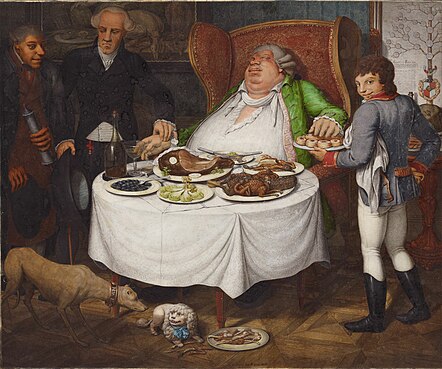
It has biblical roots - the sin of gluttony. Nothing new and modern about normal weight being more desirable.
Anonymous
Anonymous wrote:
Anonymous wrote:I think of it like getting people to stop smoking. It became taboo and most have stopped. What we eat has huge health implications for ourselves, our family, and society.

I have never been skinny but I have never been fat. In my own family and friend dynamics, I have seen the steady rise of weight, obesity, heart disease and diabetes.

My philosophy is your weight starts to creep up you pull back a bit. No eating after 8, regular coffee at Starbucks, no thanks to cookies at the office, split the burger and fries instead of ordering your own. None of these things are hard.

Food tastes good, we are bored, we are tired from long commutes, we have bad days. Life is stressful but there simply has to be more than constant intake of food.


For better or worse, eating will never become taboo. Overeating is more complex than smoking.


Is it though? I suspect the demographics are generally similar (socioeconomic status etc.) and both entail addictive behavior tied to pleasure centers: https://www.scientificamerican.com/article/is-obesity-an-addiction/

Kids who grow up in food deserts and who subsist primarily on junk food can effectively develop an addiction to low-quality foods that leads to overeating and obesity. Kids who grow up in affluent areas are more likely to be fed fresh whole foods that don't trigger the same kind of food addictions. As the article states, there is a genetic propensity to addictions generally.

I would also say overeating/obesity is in fact pretty taboo in the second community but not the first, which is part of the problem.
Anonymous
^^and in affluent communities it is therefore easier to use "discipline" to maintain healthier eating and exercise habits.
Anonymous
Anonymous wrote:It has biblical roots - the sin of gluttony. Nothing new and modern about normal weight being more desirable.


The glutton is shown as obese.

Anonymous
Anonymous wrote:
Anonymous wrote:
Anonymous wrote:I think of it like getting people to stop smoking. It became taboo and most have stopped. What we eat has huge health implications for ourselves, our family, and society.

I have never been skinny but I have never been fat. In my own family and friend dynamics, I have seen the steady rise of weight, obesity, heart disease and diabetes.

My philosophy is your weight starts to creep up you pull back a bit. No eating after 8, regular coffee at Starbucks, no thanks to cookies at the office, split the burger and fries instead of ordering your own. None of these things are hard.

Food tastes good, we are bored, we are tired from long commutes, we have bad days. Life is stressful but there simply has to be more than constant intake of food.


For better or worse, eating will never become taboo. Overeating is more complex than smoking.


Is it though? I suspect the demographics are generally similar (socioeconomic status etc.) and both entail addictive behavior tied to pleasure centers: https://www.scientificamerican.com/article/is-obesity-an-addiction/

Kids who grow up in food deserts and who subsist primarily on junk food can effectively develop an addiction to low-quality foods that leads to overeating and obesity. Kids who grow up in affluent areas are more likely to be fed fresh whole foods that don't trigger the same kind of food addictions. As the article states, there is a genetic propensity to addictions generally.

I would also say overeating/obesity is in fact pretty taboo in the second community but not the first, which is part of the problem.


Just because they are both addictions doesn’t mean that overeating is as simple of an issue to overcome.
Anonymous
Anonymous wrote:
Anonymous wrote:
Anonymous wrote:I think of it like getting people to stop smoking. It became taboo and most have stopped. What we eat has huge health implications for ourselves, our family, and society.

I have never been skinny but I have never been fat. In my own family and friend dynamics, I have seen the steady rise of weight, obesity, heart disease and diabetes.

My philosophy is your weight starts to creep up you pull back a bit. No eating after 8, regular coffee at Starbucks, no thanks to cookies at the office, split the burger and fries instead of ordering your own. None of these things are hard.

Food tastes good, we are bored, we are tired from long commutes, we have bad days. Life is stressful but there simply has to be more than constant intake of food.


For better or worse, eating will never become taboo. Overeating is more complex than smoking.


Is it though? I suspect the demographics are generally similar (socioeconomic status etc.) and both entail addictive behavior tied to pleasure centers: https://www.scientificamerican.com/article/is-obesity-an-addiction/

Kids who grow up in food deserts and who subsist primarily on junk food can effectively develop an addiction to low-quality foods that leads to overeating and obesity. Kids who grow up in affluent areas are more likely to be fed fresh whole foods that don't trigger the same kind of food addictions. As the article states, there is a genetic propensity to addictions generally.

I would also say overeating/obesity is in fact pretty taboo in the second community but not the first, which is part of the problem.


Making being fat taboo doesn’t help at all. I mean, it already basically is and has been for a long time. It is more socially acceptable to smoke than it is to be fat.

https://www.nbcnews.com/healthmain/fat-shaming-actually-increases-risk-becoming-or-staying-obese-new-8c10751491
Anonymous
Anonymous wrote:
Anonymous wrote:
Anonymous wrote:
Anonymous wrote:I think of it like getting people to stop smoking. It became taboo and most have stopped. What we eat has huge health implications for ourselves, our family, and society.

I have never been skinny but I have never been fat. In my own family and friend dynamics, I have seen the steady rise of weight, obesity, heart disease and diabetes.

My philosophy is your weight starts to creep up you pull back a bit. No eating after 8, regular coffee at Starbucks, no thanks to cookies at the office, split the burger and fries instead of ordering your own. None of these things are hard.

Food tastes good, we are bored, we are tired from long commutes, we have bad days. Life is stressful but there simply has to be more than constant intake of food.


For better or worse, eating will never become taboo. Overeating is more complex than smoking.


Is it though? I suspect the demographics are generally similar (socioeconomic status etc.) and both entail addictive behavior tied to pleasure centers: https://www.scientificamerican.com/article/is-obesity-an-addiction/

Kids who grow up in food deserts and who subsist primarily on junk food can effectively develop an addiction to low-quality foods that leads to overeating and obesity. Kids who grow up in affluent areas are more likely to be fed fresh whole foods that don't trigger the same kind of food addictions. As the article states, there is a genetic propensity to addictions generally.

I would also say overeating/obesity is in fact pretty taboo in the second community but not the first, which is part of the problem.


Just because they are both addictions doesn’t mean that overeating is as simple of an issue to overcome.


NO addiction is simple to overcome.
Anonymous
Anonymous wrote:
Anonymous wrote:
Anonymous wrote:
Anonymous wrote:
Anonymous wrote:I think of it like getting people to stop smoking. It became taboo and most have stopped. What we eat has huge health implications for ourselves, our family, and society.

I have never been skinny but I have never been fat. In my own family and friend dynamics, I have seen the steady rise of weight, obesity, heart disease and diabetes.

My philosophy is your weight starts to creep up you pull back a bit. No eating after 8, regular coffee at Starbucks, no thanks to cookies at the office, split the burger and fries instead of ordering your own. None of these things are hard.

Food tastes good, we are bored, we are tired from long commutes, we have bad days. Life is stressful but there simply has to be more than constant intake of food.


For better or worse, eating will never become taboo. Overeating is more complex than smoking.


Is it though? I suspect the demographics are generally similar (socioeconomic status etc.) and both entail addictive behavior tied to pleasure centers: https://www.scientificamerican.com/article/is-obesity-an-addiction/

Kids who grow up in food deserts and who subsist primarily on junk food can effectively develop an addiction to low-quality foods that leads to overeating and obesity. Kids who grow up in affluent areas are more likely to be fed fresh whole foods that don't trigger the same kind of food addictions. As the article states, there is a genetic propensity to addictions generally.

I would also say overeating/obesity is in fact pretty taboo in the second community but not the first, which is part of the problem.


Just because they are both addictions doesn’t mean that overeating is as simple of an issue to overcome.


NO addiction is simple to overcome.


I didn’t mean to suggest that any addiction was simple to overcome. It’s all difficult, I just think it’d harder to overcome an addiction to something when you have to have it around you several times a day.

But I do hope that at least people realize that weight gain and loss is, indeed, more than just “portion control! It’s easy!”
Anonymous
Anonymous wrote:It has biblical roots - the sin of gluttony. Nothing new and modern about normal weight being more desirable.


And we know the Bible is crap so…

Don’t eat pork or shrimp people!
Anonymous
Anonymous wrote:
Anonymous wrote:
Anonymous wrote:
Anonymous wrote:
Anonymous wrote:
Anonymous wrote:I think of it like getting people to stop smoking. It became taboo and most have stopped. What we eat has huge health implications for ourselves, our family, and society.

I have never been skinny but I have never been fat. In my own family and friend dynamics, I have seen the steady rise of weight, obesity, heart disease and diabetes.

My philosophy is your weight starts to creep up you pull back a bit. No eating after 8, regular coffee at Starbucks, no thanks to cookies at the office, split the burger and fries instead of ordering your own. None of these things are hard.

Food tastes good, we are bored, we are tired from long commutes, we have bad days. Life is stressful but there simply has to be more than constant intake of food.


For better or worse, eating will never become taboo. Overeating is more complex than smoking.


Is it though? I suspect the demographics are generally similar (socioeconomic status etc.) and both entail addictive behavior tied to pleasure centers: https://www.scientificamerican.com/article/is-obesity-an-addiction/

Kids who grow up in food deserts and who subsist primarily on junk food can effectively develop an addiction to low-quality foods that leads to overeating and obesity. Kids who grow up in affluent areas are more likely to be fed fresh whole foods that don't trigger the same kind of food addictions. As the article states, there is a genetic propensity to addictions generally.

I would also say overeating/obesity is in fact pretty taboo in the second community but not the first, which is part of the problem.


Just because they are both addictions doesn’t mean that overeating is as simple of an issue to overcome.


NO addiction is simple to overcome.


I didn’t mean to suggest that any addiction was simple to overcome. It’s all difficult, I just think it’d harder to overcome an addiction to something when you have to have it around you several times a day.

But I do hope that at least people realize that weight gain and loss is, indeed, more than just “portion control! It’s easy!”


Weight gain and loss isn’t easy, but it is pretty simple. How easy/difficult it is and to what degree someone has addictive tendencies toward food vary.
Anonymous
Anonymous wrote:
Anonymous wrote:
Anonymous wrote:
Anonymous wrote:
Anonymous wrote:
Anonymous wrote:
Anonymous wrote:I think of it like getting people to stop smoking. It became taboo and most have stopped. What we eat has huge health implications for ourselves, our family, and society.

I have never been skinny but I have never been fat. In my own family and friend dynamics, I have seen the steady rise of weight, obesity, heart disease and diabetes.

My philosophy is your weight starts to creep up you pull back a bit. No eating after 8, regular coffee at Starbucks, no thanks to cookies at the office, split the burger and fries instead of ordering your own. None of these things are hard.

Food tastes good, we are bored, we are tired from long commutes, we have bad days. Life is stressful but there simply has to be more than constant intake of food.


For better or worse, eating will never become taboo. Overeating is more complex than smoking.


Is it though? I suspect the demographics are generally similar (socioeconomic status etc.) and both entail addictive behavior tied to pleasure centers: https://www.scientificamerican.com/article/is-obesity-an-addiction/

Kids who grow up in food deserts and who subsist primarily on junk food can effectively develop an addiction to low-quality foods that leads to overeating and obesity. Kids who grow up in affluent areas are more likely to be fed fresh whole foods that don't trigger the same kind of food addictions. As the article states, there is a genetic propensity to addictions generally.

I would also say overeating/obesity is in fact pretty taboo in the second community but not the first, which is part of the problem.


Just because they are both addictions doesn’t mean that overeating is as simple of an issue to overcome.


NO addiction is simple to overcome.


I didn’t mean to suggest that any addiction was simple to overcome. It’s all difficult, I just think it’d harder to overcome an addiction to something when you have to have it around you several times a day.

But I do hope that at least people realize that weight gain and loss is, indeed, more than just “portion control! It’s easy!”


Weight gain and loss isn’t easy, but it is pretty simple. How easy/difficult it is and to what degree someone has addictive tendencies toward food vary.


No, its not simple. Yes, the idea that a calorie deficit will lead to weight loss is simple, but beyond that very surface level concept of weight loss, the issue is complex.

It’s like how telling somebody who is unemployed to just get a job, or somebody who is just struggling in school to just study harder. Yes, technically, those things will work, but how you get to those things is the real question.
Anonymous
Anonymous wrote:Skinny people are annoying. They punish themselves by having no ice cream and eating veggies and 24/7. They dont need us to pile on.


Just based on this you don’t quite understand how most skinny brains think. So your “joke” works only in the overweight matrix.
I’d rather enjoy raw veggies with some salt or oil/vinegar than ice cream. Why would a grown up woman want to be “rewarded” with anything milky? You are weird for thinking that veggies are some kind of punishment. They are life!
Anonymous
Anonymous wrote:
Anonymous wrote:Skinny people are annoying. They punish themselves by having no ice cream and eating veggies and 24/7. They dont need us to pile on.


Just based on this you don’t quite understand how most skinny brains think. So your “joke” works only in the overweight matrix.
I’d rather enjoy raw veggies with some salt or oil/vinegar than ice cream. Why would a grown up woman want to be “rewarded” with anything milky? You are weird for thinking that veggies are some kind of punishment. They are life!

Um, ok. This the Jason Fung disciple?
Anonymous
Skinny brains vs fat brains? WTH! Every human brain works pretty much the same or very similar. We seek foods that are safe and satiating, meaning fat and sweet. We all seek highly palatable foods that stimulate our rewards centers. We all crave energy-dense foods, that is the plain science of human evolution reflected in our brains. Carbs and fats, that is what we all want. In fact, human milk is mostly fat and sugar bcs we need it to live and to grow!
I kind of feel sad for that pp! Her poor brain doesn't know the pleasure of a sugar rush. The milk craving that the other pp mentioned is the perfect example of exactly what humans crave! Their first food!
Nobody is saying you have to reward your brain every hour with whip cream and sugar, but that is what our brains want.
Forum Index » Diet, Nutrition & Weight Loss

Go to: