
Indictment of Southern Policy Law Center
![[Post New]](/jforum/templates/default/images/icon_minipost_new.gif)
Anonymous
| The DOJ is publicly calling rightwing groups racist? Wowwww |
Anonymous
Ooh a member of a chat group. Was that person held civilly responsible by a federal grand jury for organizing and funding the rally? No. |

Anonymous
NP but the virology field actually still does believe the wet market source / animal spillover as a likely source of COVID, if you go into scholarly academic papers, regardless of the politics. Truly nobody knows and both lab vs natural spillover remain viable theories. |
Anonymous
Pray tell who is the real boogeyman? The Pope? |
Anonymous
Are you against law enforcement paying informants? |
Anonymous
|
When's the last time DOJ got a conviction on one of their political indictments?
What's theirr record of convictions obtained vs employees held in contempt of court or fired for incompetence? |
Anonymous
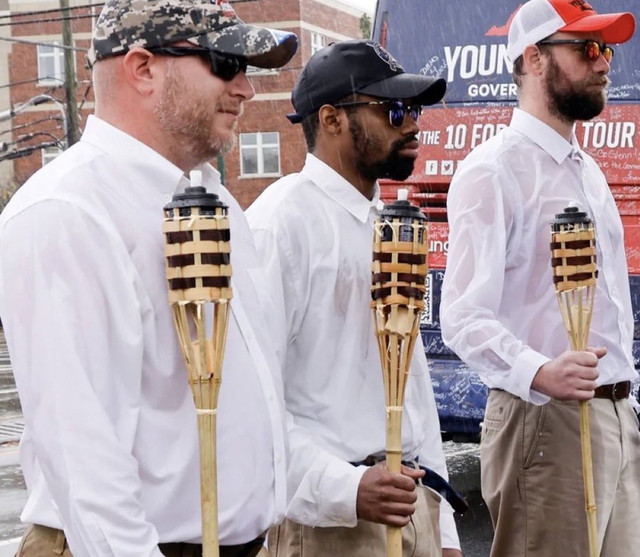
Quite obvious. |
Anonymous
One, ACLU is a NGO, not law enforcement. And two, the crimes they are accused of have nothing to do with “paying informants.” The crimes they are accused of “include several counts of wire fraud and of making false statements to a federally insured bank.” |
Anonymous
You're actually comparing the SPLC to law enforcement when the latter is trying to arrest and detain criminals ? |
Anonymous
According to you, it’s unreliable information…therefore worse if done by law enforcement. |
Anonymous
Just another example of the far right’s inability to own their actions. Gotta come up with an excuse, preferably a conspiracy theory that dimwit MAGA can embrace and parrot. Men?! Hardly! Beta boys who have shirk responsibility. |

Anonymous
No, because law enforcement is subject to laws, including but not limited to FOIA, that provide accountability and limitations on what law enforcement can do with paid informants. It’s truly shocking that you are trying to conflate the two, unless you are taking the position that you are completely fine with non-governmental, third-party agencies taking on policing roles without oversight. Is that what you are advocating for? |
Anonymous
You seem deeply confused. Law enforcement pays informants for information, but that use is regulated by the many laws we have on policing. Furthermore, the information is then used for criminal prosecution and proceedings where the accuracy of the information matters, so informants who provide false information are both less useful to law enforcement and also subject to criminal prosecution themselves. Therefore, the motivations of the informants is going to be entirely different and the information itself will be subject to higher scrutiny. SPLC has no level of scrutiny on the information it obtained, no legal obligations to comply with, and no restrictions on use of information obtained. Informants didn’t need to fear repercussion for providing false information, and in fact their only motivation was to continue getting paid. It’s appalling behavior from SPLC and calls into question most of their work over the past decade or so. I’m never going to donate again, and I hope this is fully prosecuted. The indictment is both detailed and very alarming. |