
The true meaning of "equity"

Anonymous
Anonymous wrote:
Anonymous wrote:I guess you did not see the version where the taller kids' legs are cut off to make everyone equally short. Thus is what implementation looks like in reality.


How exactly is this happening in FCPS? Please provide specific examples.


DP. When my oldest was in 6th grade gen ed, her classroom had 28 students, the bulk of them being ESOL or below grade level. Out of the 10 hours per week spend in language arts block, my DD's above grade reading group met with the teacher at most 15 minutes per week, and often 0 minutes per week. They were expected to teach themselves via Raz kids or imagine learning, or they were expected to read quietly to themselves.
Anonymous
Anonymous wrote:
Anonymous wrote:
Anonymous wrote:I guess you did not see the version where the taller kids' legs are cut off to make everyone equally short. Thus is what implementation looks like in reality.


How exactly is this happening in FCPS? Please provide specific examples.


DP. When my oldest was in 6th grade gen ed, her classroom had 28 students, the bulk of them being ESOL or below grade level. Out of the 10 hours per week spend in language arts block, my DD's above grade reading group met with the teacher at most 15 minutes per week, and often 0 minutes per week. They were expected to teach themselves via Raz kids or imagine learning, or they were expected to read quietly to themselves.


This is exactly what happened at our middle/upper middle SES elementary last year. Distance learning demanded so much from teachers to keep so many kids close to grade level, that higher level students went a month without teacher-led reading instruction. They were told to work together on books. Now we're told the bar is raised for them because they're lucky to be surrounded by smart peers and they can just learn from each other.
Anonymous
Anonymous wrote:
Anonymous wrote:
Anonymous wrote:The purpose of school is to teach everyone. You don't ignore the advanced kids and spend all your time just trying to catch up the ones whose parents failed them (for whatever reasons - economically disadvantaged, uninterested, etc). There are enough advanced kids to put them in an AAP class and give every child the best possible education they can get with the time and resources available. It does no good to have bored kids sitting there with others who are struggling. They'll distract each other and even less learning will happen.

All these contrived pictures are just stupid. Talk to the issue, not some simplified image framed in a certain way to ignore and hide the fact that one group is hurt at the expense of another unnecessarily in the name of "equity."


As long as AAP gets its fair share of distractions, that sounds fair. It isn't fair to go from 4 classes with each class having a 1 in 4 chance of getting the chair thrower to two advanced classes and two non-advanced ensuring the advanced kids are free from the chair thrower and the non advanced kids now have a 1 in 2 chance of having every lesson interrupted.


If the chair thrower meets the criteria for AAP, he or she should certainly be in AAP.


If none do, why should gen ed students have a greater chance of having to deal with a disruptive classroom?
Anonymous
Anonymous wrote:
Anonymous wrote:
Anonymous wrote:
Anonymous wrote:The purpose of school is to teach everyone. You don't ignore the advanced kids and spend all your time just trying to catch up the ones whose parents failed them (for whatever reasons - economically disadvantaged, uninterested, etc). There are enough advanced kids to put them in an AAP class and give every child the best possible education they can get with the time and resources available. It does no good to have bored kids sitting there with others who are struggling. They'll distract each other and even less learning will happen.

All these contrived pictures are just stupid. Talk to the issue, not some simplified image framed in a certain way to ignore and hide the fact that one group is hurt at the expense of another unnecessarily in the name of "equity."


As long as AAP gets its fair share of distractions, that sounds fair. It isn't fair to go from 4 classes with each class having a 1 in 4 chance of getting the chair thrower to two advanced classes and two non-advanced ensuring the advanced kids are free from the chair thrower and the non advanced kids now have a 1 in 2 chance of having every lesson interrupted.


If the chair thrower meets the criteria for AAP, he or she should certainly be in AAP.


If none do, why should gen ed students have a greater chance of having to deal with a disruptive classroom?


We should probably just handle the problem of chair throwing. If restorative justice or responsive classroom or whatever the buzz word of the day is isn't working, it's time to find an alternative - for all learners.
Anonymous
Anonymous wrote:
Anonymous wrote:
Anonymous wrote:
Anonymous wrote:May need to watch this before discussing equity.


My dd had a similar activity and was told she was privileged for having two married parents and there always being food on the table. That’s not privileged! There should be basic things that parents provide for their kids.

I think schools should meet kids where they are. I hope that the very smartest are being provided with the classes and support they need too. We need the next generation of entrepreneurs, doctors, scientists and top engineers. Instead we have a dumbed down curriculum where no one is learning well.


You highlighted something very important here.

Of course there are things that parents SHOULD provide for their kids. But the reality is that half of American marriages end in divorce. It is a privilege to have two married parents - and as a child, that privilege is not one that you do anything to earn.

Parents should have their child's education and enrichment as a primary focus. But the reality is that many American parents have to be far more concerned with their family's physical and financial security. Many of them have to work multiple jobs in order to make ends meet. So having parents who have the means to send you to enrichment activities or to transport you to and from those is a privilege - and as a child, that privilege is not one that you do anything to earn.

It is not a child's fault if they have parents who, for whatever reason, cannot provide or choose not to provide the supports that you do. We do not operate within a caste system in America, and the public school system exists for the purpose of educating children of ALL backgrounds to be positive contributors to society. There are plenty of other opportunities for you to use your resources to purchase "extras" for your kids without expecting the taxpayers to do it for you.


Exactly. Children don’t get to pick their families and resources available to them.

Some are born with boundless opportunities and resources. Others, not so much.


and that is exactly the definition of privilege.
Anonymous
Anonymous wrote:
Anonymous wrote:

DP. When my oldest was in 6th grade gen ed, her classroom had 28 students, the bulk of them being ESOL or below grade level. Out of the 10 hours per week spend in language arts block, my DD's above grade reading group met with the teacher at most 15 minutes per week, and often 0 minutes per week. They were expected to teach themselves via Raz kids or imagine learning, or they were expected to read quietly to themselves.


This is exactly what happened at our middle/upper middle SES elementary last year. Distance learning demanded so much from teachers to keep so many kids close to grade level, that higher level students went a month without teacher-led reading instruction. They were told to work together on books. Now we're told the bar is raised for them because they're lucky to be surrounded by smart peers and they can just learn from each other.


PP. In my DD's case, this all happened before the pandemic. Equity meant completely ignoring the above average kids and not teaching them much of anything.
Anonymous
Anonymous wrote:
Anonymous wrote:
Anonymous wrote:

DP. When my oldest was in 6th grade gen ed, her classroom had 28 students, the bulk of them being ESOL or below grade level. Out of the 10 hours per week spend in language arts block, my DD's above grade reading group met with the teacher at most 15 minutes per week, and often 0 minutes per week. They were expected to teach themselves via Raz kids or imagine learning, or they were expected to read quietly to themselves.


This is exactly what happened at our middle/upper middle SES elementary last year. Distance learning demanded so much from teachers to keep so many kids close to grade level, that higher level students went a month without teacher-led reading instruction. They were told to work together on books. Now we're told the bar is raised for them because they're lucky to be surrounded by smart peers and they can just learn from each other.


PP. In my DD's case, this all happened before the pandemic. Equity meant completely ignoring the above average kids and not teaching them much of anything.


When you pull out so many kids for AAP, the ones who are at or above grade level in gen get utterly screwed. They class becomes more proportionally weighted towards below grade level and they get left to fend for themselves.
Anonymous

Anonymous wrote:
Anonymous wrote:
Anonymous wrote:
Anonymous wrote:
May need to watch this before discussing equity.


My dd had a similar activity and was told she was privileged for having two married parents and there always being food on the table. That’s not privileged! There should be basic things that parents provide for their kids.

I think schools should meet kids where they are. I hope that the very smartest are being provided with the classes and support they need too. We need the next generation of entrepreneurs, doctors, scientists and top engineers. Instead we have a dumbed down curriculum where no one is learning well.


You highlighted something very important here.

Of course there are things that parents SHOULD provide for their kids. But the reality is that half of American marriages end in divorce. It is a privilege to have two married parents - and as a child, that privilege is not one that you do anything to earn.

Parents should have their child's education and enrichment as a primary focus. But the reality is that many American parents have to be far more concerned with their family's physical and financial security. Many of them have to work multiple jobs in order to make ends meet. So having parents who have the means to send you to enrichment activities or to transport you to and from those is a privilege - and as a child, that privilege is not one that you do anything to earn.

It is not a child's fault if they have parents who, for whatever reason, cannot provide or choose not to provide the supports that you do. We do not operate within a caste system in America, and the public school system exists for the purpose of educating children of ALL backgrounds to be positive contributors to society. There are plenty of other opportunities for you to use your resources to purchase "extras" for your kids without expecting the taxpayers to do it for you.


Exactly. Children don’t get to pick their families and resources available to them.

Some are born with boundless opportunities and resources. Others, not so much.


and that is exactly the definition of privilege.

AND . . . this is why Virginia went red. The great 20th century (failed) communist experience started with this philosophy. "From each according to his ability and to each according to his need." But human nature doesn't work like that and most people understand that. The progressives would have a lot more support if they stopped castigating people for being "privileged" and focused on achieving broad social goods that could be accessed by everyone---regardless of ability or need. Things like universal pre-k, paid parental leave, full funded government health care. That is what the western European democracies have done---generally successfully.
Anonymous
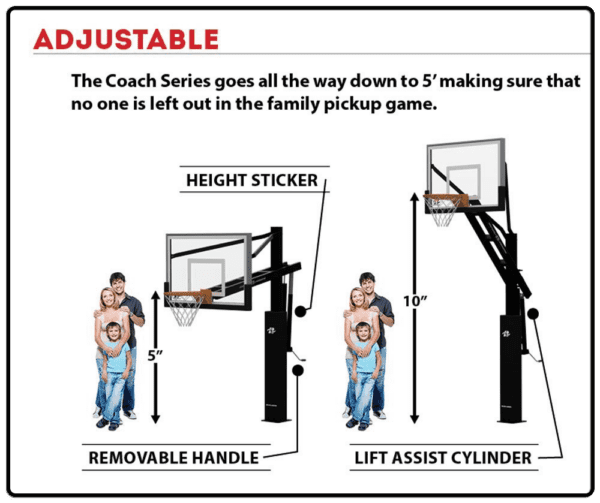
So the true meaning of "equity" in playing a game of basketball is high achievers play a 10 ft hoop while low performer play a 5 ft hoop?
Anonymous
Yes that’s what equity means in a game of basketball.
Why only academics, equity should be applied to everything sports, music, movies, tv shows, modeling, corporate jobs/ upper management levels.
Anonymous
Anonymous wrote:
Anonymous wrote:
Anonymous wrote:

DP. When my oldest was in 6th grade gen ed, her classroom had 28 students, the bulk of them being ESOL or below grade level. Out of the 10 hours per week spend in language arts block, my DD's above grade reading group met with the teacher at most 15 minutes per week, and often 0 minutes per week. They were expected to teach themselves via Raz kids or imagine learning, or they were expected to read quietly to themselves.


This is exactly what happened at our middle/upper middle SES elementary last year. Distance learning demanded so much from teachers to keep so many kids close to grade level, that higher level students went a month without teacher-led reading instruction. They were told to work together on books. Now we're told the bar is raised for them because they're lucky to be surrounded by smart peers and they can just learn from each other.


PP. In my DD's case, this all happened before the pandemic. Equity meant completely ignoring the above average kids and not teaching them much of anything.


Yes this is what’s happening in my kids school. And my kindergartner who can read well hasn’t gotten any teacher time because she’s busy with the other kids. It’s kind of destroying my dds love for school. She’s so eager to be taught and to learn more but instead she reads by herself while others get pull outs.
Anonymous
Anonymous wrote:When you pull out so many kids for AAP, the ones who are at or above grade level in gen get utterly screwed. They class becomes more proportionally weighted towards below grade level and they get left to fend for themselves.

Sounds like you are making the same argument as the AAP parents do about your kids.
Anonymous
Anonymous wrote:
Anonymous wrote:
Anonymous wrote:

DP. When my oldest was in 6th grade gen ed, her classroom had 28 students, the bulk of them being ESOL or below grade level. Out of the 10 hours per week spend in language arts block, my DD's above grade reading group met with the teacher at most 15 minutes per week, and often 0 minutes per week. They were expected to teach themselves via Raz kids or imagine learning, or they were expected to read quietly to themselves.


This is exactly what happened at our middle/upper middle SES elementary last year. Distance learning demanded so much from teachers to keep so many kids close to grade level, that higher level students went a month without teacher-led reading instruction. They were told to work together on books. Now we're told the bar is raised for them because they're lucky to be surrounded by smart peers and they can just learn from each other.


PP. In my DD's case, this all happened before the pandemic. Equity meant completely ignoring the above average kids and not teaching them much of anything.


That just means FCPS class sizes are too large.
Anonymous
Anonymous wrote:
Anonymous wrote:When you pull out so many kids for AAP, the ones who are at or above grade level in gen get utterly screwed. They class becomes more proportionally weighted towards below grade level and they get left to fend for themselves.

Sounds like you are making the same argument as the AAP parents do about your kids.


Exactly.
Anonymous
Anonymous wrote:
Anonymous wrote:
Anonymous wrote:
Anonymous wrote:
Anonymous wrote:May need to watch this before discussing equity.


My dd had a similar activity and was told she was privileged for having two married parents and there always being food on the table. That’s not privileged! There should be basic things that parents provide for their kids.

I think schools should meet kids where they are. I hope that the very smartest are being provided with the classes and support they need too. We need the next generation of entrepreneurs, doctors, scientists and top engineers. Instead we have a dumbed down curriculum where no one is learning well.


You highlighted something very important here.

Of course there are things that parents SHOULD provide for their kids. But the reality is that half of American marriages end in divorce. It is a privilege to have two married parents - and as a child, that privilege is not one that you do anything to earn.

Parents should have their child's education and enrichment as a primary focus. But the reality is that many American parents have to be far more concerned with their family's physical and financial security. Many of them have to work multiple jobs in order to make ends meet. So having parents who have the means to send you to enrichment activities or to transport you to and from those is a privilege - and as a child, that privilege is not one that you do anything to earn.

It is not a child's fault if they have parents who, for whatever reason, cannot provide or choose not to provide the supports that you do. We do not operate within a caste system in America, and the public school system exists for the purpose of educating children of ALL backgrounds to be positive contributors to society. There are plenty of other opportunities for you to use your resources to purchase "extras" for your kids without expecting the taxpayers to do it for you.


Pp here. Sorry yes I said married but I think kids with two very involved divorced parents also are on that same level.

I think calling it privileged makes it seem unattainable or that people should not try to provide for their kids.

I also hate the label privileged because then it seems okay to give kids with good home lives less. Instead I really like everyone being treated the same. For instance, all kids get free lunch and breakfast now. That’s great because now it doesn’t stigmatize the poor kids. I also really like kids who are performing under grade level getting tutoring after school or pulled out for extra resources.


But see, that's the entire point of the conversation. Treating everyone the same doesn't get the job done.

Having kids who are performing under grade level getting tutoring after school is a great idea, but what if that student has responsibilities at home in terms of child supervision? Or if they can't get home after school because they can't use the regular bus and they don't have a ride at 5:00 or whenever because their parents are working their additional job?

This is the thing about folks who have resources - they tend not to have any idea the extent to which the public education environment has been catered to their experience, and no idea the extent to which that environment makes it difficult for folks who don't have those resources.


Exactly.
post reply Forum Index » Advanced Academic Programs (AAP)
Message Quick Reply
Go to: