
Dunbar students didn't recognize Jeff Bezos the surprise speaker, DCPS is Embarrassing
![[Post New]](/jforum/templates/default/images/icon_minipost_new.gif)
Anonymous
White kids know black celebraties and historical figures |
Anonymous
Completely agree. Put bezos beside howie Mandel randomly at a meeting and I wouldn’t be able to figure it out either without context. |
Anonymous
Stupid of Bezos to discriminate against of the local schools where he would have been properly welcomed. |
Anonymous
Since when is Jeff Bezos a celebrity? |
Anonymous
| Didn't recognize him on sight or didn't know who he was after he was introduced? If JB randomly showed up at my office I may not recognize him either because why on earth would I expect him to show up there and people look very different in real life than on media. I don't immediately recognize parents from my kids school if I run into them at an event in DC because its hard to place people out of the usual context. Even if they didn't know who he was, not entirely surprising. They're still kids and why should they care who the CEO of Amazon is. Would they know who Tim Sweeney is though? |
Anonymous
|
My well-educated children would not have recognized him either. They know "of him", but they're not familiar with what he looks like, nor should they be expected to. OP, is this the kind of spurious "knowledge" that passes for in-depth education in your world? |
Anonymous
Celebrities are interesting and entertaining. Historical figures are taught in school. I would guess that most students wouldn't recognize Warren Buffett either -- and he has more ties to DC having graduated from Wilson. |
Anonymous
|
I guarantee you if David L. Steward showed up at Gonzaga none of those kids would know who he is and the teachers probably wouldn’t either. They'd probably mistake him for a gym teacher or something.
Hell, I bet the OP nor any of the posters criticizing those kids at Dunbar have ever heard of the co-founder and chairman of World Wide Technology, one of the largest African-American-owned businesses in America, and one of just five black billionaires in America. 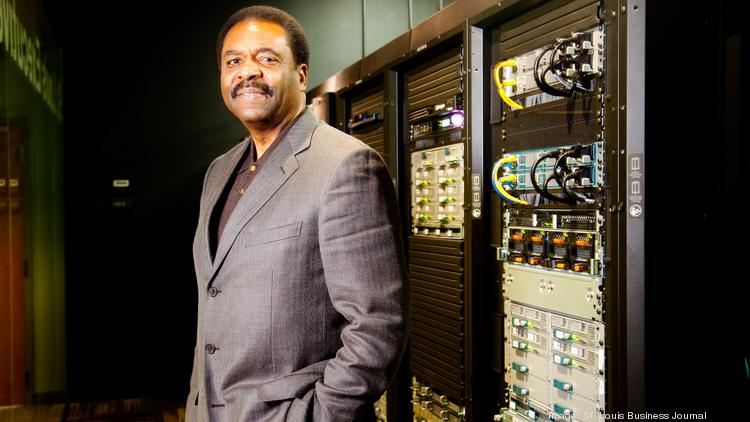
|
Anonymous
Okay. All Cuban white guys look alike. |
Anonymous
+1. I asked my kid (MoCo private) and she had no clue as well. She knew of Bill Gates and Warren Buffet's name was familiar, but Jeff Bezos got a blank stare. Agree that they probably should have prepped the kids ahead of time. |
Anonymous
| I think this is typical of Dunbar/DCPS - pretending to prepare students for the real world while staying in their low-achievement bubble. I would have loved for the kids to be properly prepped and then see what questions they asked of Bezos. Too bad this opportunity was wasted, for all of them. |
Anonymous
| Everyone knows Alexa. He is Alexa's dad. |
Anonymous
|
My Deal kids would never recognize Bezos. Heck, I wouldn't either except for photos due to his divorce scandal.
I'm going to ask them tonight if they know who Bezos is. I bet they don't. |
Anonymous
| Why didn't the moron teachers plan for this and make it a learning experience, have the students prepare to ask about ai, Amazon robots, the impact of national landing, how they can prepare to attend the new tech campus at national landing? What a pathetic school. |
Anonymous
|
OP is totalling missing the point -- which should be about what the kids are, or aren't, learning. FWIW Bezos spent a total of 15 minutes at Dunbar.
Dunbar High students may not know Jeff Bezos when he visits, but they know code By Patricia Sullivan Oct. 21, 2019 at 6:34 p.m. EDT Dakota Delaney, 15, didn’t know this bald stranger who bounded into her computer science class at Washington’s Dunbar High School on Monday morning and began asking her questions. His name, Jeff Bezos, meant nothing to her. But she was happy to be in the class, a new course that teaches the basic theories and codes of computing. If Bezos, founder and chief executive of Amazon, had something to do with it, well, all right. “I want to be an actress,” said the red-haired student, who nevertheless successfully applied for a seat in the class. “This gives me some opportunities that I still have to think about.” Amazon is funding computer science classes in more than 2,000 high schools, involving approximately 100,000 students in its “future engineer” initiative. It’s part of the company’s plan to invest $50 million in education over the next five years. Dunbar, one of 50 participating schools in the Washington metropolitan region, fits the profile of those that Amazon has provided with funding. The Dunbar student body is 94 percent black and 5 percent Hispanic. Nine percent of students are homeless, according to city data. Sixty-five percent of students are considered at-risk, which means they are homeless or in foster care, their families qualify for public assistance, or they have been held back more than a year in high school. Records show that fewer than 1 percent of students passed the math portion of a 2019 national standardized test administered by the District, and about 16 percent passed the English portion. Bezos, whose $112 billion fortune makes him the world’s richest man, dropped into the classroom to encourage the students. Wearing a sport coat and an open-necked shirt, he arrived surrounded by a swirl of somber security guards and well-dressed public relations officials wielding cameras. Television cameras, photographers and reporters ringed the classroom while several Amazon engineers circulated between the desks to offer help. Combined, they outnumbered the 20 students hunched over their laptops on Dunbar’s third floor. “Keep at it,” said Bezos, who owns The Washington Post and bought the former Textile Museum in the District with the aim of turning it into the city’s largest private residence. “These skills can change your life. You’re the next generation that is going to take that leadership and move the world forward. … I hope some of you come and work for Amazon someday. We need the help.” ... Ramona Hutchins, Dunbar’s computer science, engineering and physics teacher, said her two classes of 43 students (mostly juniors) are finding that the discipline of coding is teaching them problem-solving skills, critical thinking and perseverance. After some initial frustration, the students have adapted, she said. “It’s very difficult for me to interrupt them when they’re into a project,” she said. In the first nine weeks of school, they’ve learned the difference between analog and digital, have moved from static to dynamic coding and are learning to code mathematical operations in the Python computer language, she said. Next up: She’s buying a robot that Amazon funded so the students can learn to code movement. Next year, she hopes to launch an Advanced Placement computer science class, which Amazon will also pay for. For a lucky 100 students from underrepresented and underserved communities across the nation, Amazon will also award $10,000 scholarships for those who plan to study computer science at a four-year college or university. They will be guaranteed paid internships with the company after their freshman year. Dunbar Principal Nadine Smith said word has spread to the student body that the introductory computer science class is interesting and worthwhile. “We want the students … to be inspired and feel like they belong to a successful group of students who can go into STEM fields,” she said, using the acronym for science, technology, engineering and math. “There are students here who are athletes, poets and some in special ed who really blossom when they work on computers. Our job is to awaken that genius in them, that talent that they may not even know they have.” Awakening students can be tough work, even when Bezos stands in front of a high school class surrounded by television, video and still cameras. Bezos tried asking a few questions, loosening them up with questions about their teacher and joking about his own children’s vague responses to his questions. He prompted one student to tell him about his current project that involved coding for computers that operate systems in a house. “Very cool,” the business mogul responded. Then, after a group photo and a few more words of encouragement, he was gone. And even if several of the students were not sure who he was or why he came, they said they appreciated the 15-minute drop-in visit. “It shows us how if we put our minds to it, we can do it, too,” said Dajuana Gore, 14. “It gives us exposure to people like that and shows us how important this is,” added Rakyia Addo, 16. “It helps inspire us to continue coding, and gives us the inspiration to succeed,” said Jay’quan Gillis, 15. Perry Stein contributed to this report. |