Disclosing atheism

Anonymous
Anonymous wrote:
Anonymous wrote:
Anonymous wrote:
Anonymous wrote:
Anonymous wrote:
Anonymous wrote:
Anonymous wrote:
Anonymous wrote:
Anonymous wrote:
Anonymous wrote:
Anonymous wrote:
Anonymous wrote:
Anonymous wrote:
Anonymous wrote:I don’t see the atheists here trying to genuinely engage with the mission of Christians.


What is "the mission"?


+1 also, do you expect people of other religions to engage with the Christian "mission"?


The mission of Christianity is to spread the good news. Did you go to Sunday school? It is fundamental to the very essence of Christianity. World history has been shaped by this mission. To ignore this fact is to to ignore reality. It is what it is. To genuinely engage in discussion with Christians is to accept what they have been taught over and over again throughout time. You cannot genuinely engage with a Christian in debate if you ignore this about them. No matter how frustrating it is.


Sorry, but I can't really believe that Christians expect people of other religions and no religion to engage with them if it only can mean becoming a Christian. Seems to me that in the US people are taught to respect other religions but not taught to expect others to convert to their religion. Slowly, that respect is being extending to people who do not practice any religion.


We might be arguing past each other. I am talking about those who wish to not insult Christians. You would start by respecting what they believe, nothing more. And I didn’t say that Christians “expect” others to concert.


Are you saying that "spreading the good news" is not related to people who are not Christians becoming Christians?


No I am not saying that. I am saying that is where they are coming from if you would like to understand them so as not to insult them.


I think I understand - you are saying Christians (I used to be one) believe they are doing something good and others who don't share that belief should not express it, to avoid insulting Christians. Is that right?


Not quite. In OP’s situation, I would’ve answered the question the neighbor asked. “What church do you go to?” “Oh, I don’t go to church.” And then see what the neighbor says. Perhaps the neighbor lets it drop because the conversation was getting too personal for that particular social gathering. If the neighbor pushed it, then I would disclose that I was atheist. The neighbor should then respectfully engage in normal conversation and not pass judgment, just as the atheist did.


From the OP:
"...they asked me about my faith, where I go to church etc."


Seems like Christian pp is expecting people to place protecting religious beliefs over expressing their (non)belief. I disagree, but think I can understand how a religious person would feel this way. They are accustomed to it and feel threatened by such a change. It's relatively rare and recent that people would openly express their atheism as OP did.

Atheists no longer "know their place" like women and gays before them.


So atheists have had to struggle for civil rights? No.

Atheists (here) have terrible personalities and are too sensitive, while seeing everything as an attack. They aren’t fighting for rights. Get over yourself.


Atheists as a percentage of American society: 20-29%
https://en.wikipedia.org/wiki/Irreligion_in_the_United_States#

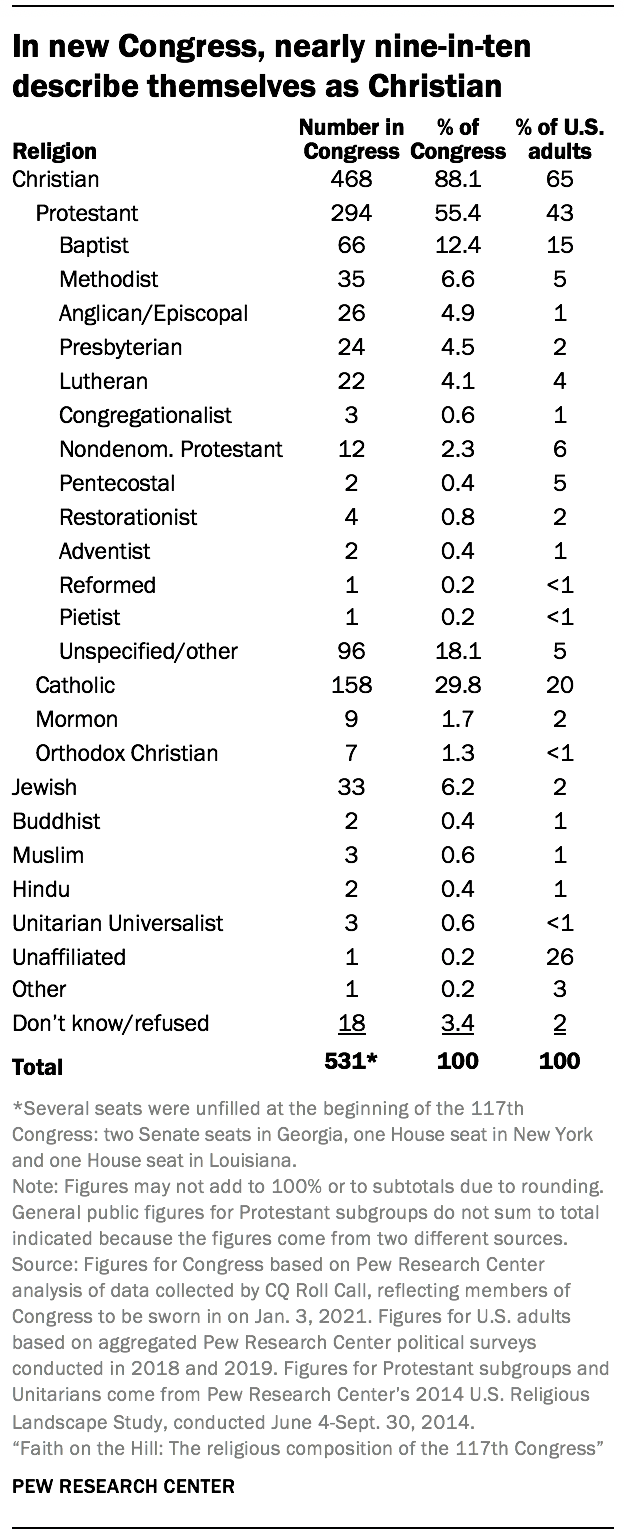
Atheists as a percentage of congress, executive branch or supreme court: < 0.2%
https://www.pewresearch.org/religion/2021/01/04/faith-on-the-hill-2021/

You don't think we struggle for civil rights?


And the extremists on the SCOTUS are currently forcing their religious beliefs on the entire country.
Anonymous
Anonymous wrote:
Anonymous wrote:
Anonymous wrote:
Anonymous wrote:
Anonymous wrote:
Anonymous wrote:
Anonymous wrote:To genuinely engage with Christian’s is to accept that faith is a reliable source of truth to them without resorting to insults


Seems like Christians who really believed in their faith would not be insulted by accurate comparisons to Santa and the Easter bunny. All three are believed by children, correct? Only adults are encouraged to believe in God, correct?

Clearly God, does much more than the other two, and there are whole, and numerous, belief structures built around God, but they are all supernatural and it requires faith to believe in them.

I can see how some people would be swayed by the similarities among these beings, but if your faith is strong, no problem. You can reject what you no longer believe in and continue believing in what you want to.


DP
The universe began from nothingness, something came from nothing or any explanation you have is as much faith as my belief in a Creator.


First that is not what Atheists believe. Atheists have a stand on a single proposition: whether or not to believe in a god. There is no atheist position on the creation of the universe.

As for your cosmological inquiry, the answer is we don't know what happened before the big bang, or even if there was a before the big bang (there is no evidence of it). It's possible time began with the big bang, like the first frame of a piece of film, with nothing before it. But we don't know, which is a position that does not require ANY faith.

And your definition of "from nothing" makes "nothing" logically impossible as it defines "nothing" making it something. Hard to wrap your mind around, but that is what you are doing.

And on top of that, any demands you put on the creation of the universe also need to apply to any creator, and there is infinite regress... it's also a presuppositional fallacy...

...so you see why cosmological arguments for god are highly flawed.


NP. I disagree with the bolded and find the cosmological arguments convincing, but this is why the "Santa Claus" claims are wrong. There's no serious philosophical defense of the existence of Santa. There is for God, even if you don't find the arguments convincing.


Sounds like you are saying God is more believable than Santa because serious philosophers have defended the reality of God. Is that right?

Would you also agree that both God and Santa are beliefs for which there is no scientific evidence?


I'm saying it because of the seriousness of the arguments, not the seriousness of the philosophers, but maybe that's splitting hairs. The cosmological arguments for the existence of God are based on evidence in that they are inferences drawn from observations about the universe: the fact that the universe exists in the first place, the fact things have causes, etc. Meanwhile there's neither evidence nor philosophical argument for the existence of Santa. You may find that the cosmological arguments don't persuade you, but people who accept them do so on the basis of applying logic to observations about that universe. Santa belief isn't like that.


I understand that there are differences between Santa and God belief but it is accurate to say that they are both supernatural,. and thus both, according to atheists, are not believable. I also understand that believers don't like their God compared to a children's belief like Santa and while there are certainly differences, they have supernaturalism in common and that's why atheists believe in neither and confidently compare them to each other.
Anonymous
OP could have said "I don't go to church" but chose to say "I'm an atheist". Sounds like you're saying that OP could have and should have made it easier on the neighbor by not saying they were an atheist.

Meh?

Well, the neighbor also said they go to church, instead of saying they go to a special house on Sundays. Why were they so confrontational and aggressive with their choice of words?

Anonymous
Anonymous wrote:
OP could have said "I don't go to church" but chose to say "I'm an atheist". Sounds like you're saying that OP could have and should have made it easier on the neighbor by not saying they were an atheist.

Meh?

Well, the neighbor also said they go to church, instead of saying they go to a special house on Sundays. Why were they so confrontational and aggressive with their choice of words?


yeah -- turning it around doesn't work yet, because it's still normal to go to church on Sundays, even though fewer and fewer people are doing it.
Anonymous
the nice part of being brown is people tend to just assume and not ask.
Anonymous
Anonymous wrote:
Anonymous wrote:
OP could have said "I don't go to church" but chose to say "I'm an atheist". Sounds like you're saying that OP could have and should have made it easier on the neighbor by not saying they were an atheist.

Meh?

Well, the neighbor also said they go to church, instead of saying they go to a special house on Sundays. Why were they so confrontational and aggressive with their choice of words?


yeah -- turning it around doesn't work yet, because it's still normal to go to church on Sundays, even though fewer and fewer people are doing it.


It’s still “normal” not to go.
Anonymous
Anonymous wrote:
Anonymous wrote:
Anonymous wrote:
Anonymous wrote:
Anonymous wrote:
Anonymous wrote:
Anonymous wrote:
Anonymous wrote:
Anonymous wrote:I don’t see the atheists here trying to genuinely engage with the mission of Christians.


What is "the mission"?


+1 also, do you expect people of other religions to engage with the Christian "mission"?


The mission of Christianity is to spread the good news. Did you go to Sunday school? It is fundamental to the very essence of Christianity. World history has been shaped by this mission. To ignore this fact is to to ignore reality. It is what it is. To genuinely engage in discussion with Christians is to accept what they have been taught over and over again throughout time. You cannot genuinely engage with a Christian in debate if you ignore this about them. No matter how frustrating it is.


Sorry, but I can't really believe that Christians expect people of other religions and no religion to engage with them if it only can mean becoming a Christian. Seems to me that in the US people are taught to respect other religions but not taught to expect others to convert to their religion. Slowly, that respect is being extending to people who do not practice any religion.


We might be arguing past each other. I am talking about those who wish to not insult Christians. You would start by respecting what they believe, nothing more. And I didn’t say that Christians “expect” others to concert.


Are you saying that "spreading the good news" is not related to people who are not Christians becoming Christians?


No I am not saying that. I am saying that is where they are coming from if you would like to understand them so as not to insult them.


And believers should try to understand where atheists are coming from to avoid insulting them?


^^ Right?
Anonymous
Anonymous wrote:
Anonymous wrote:
Anonymous wrote:
Anonymous wrote:
Anonymous wrote:
Anonymous wrote:
Anonymous wrote:
Anonymous wrote:To genuinely engage with Christian’s is to accept that faith is a reliable source of truth to them without resorting to insults


Seems like Christians who really believed in their faith would not be insulted by accurate comparisons to Santa and the Easter bunny. All three are believed by children, correct? Only adults are encouraged to believe in God, correct?

Clearly God, does much more than the other two, and there are whole, and numerous, belief structures built around God, but they are all supernatural and it requires faith to believe in them.

I can see how some people would be swayed by the similarities among these beings, but if your faith is strong, no problem. You can reject what you no longer believe in and continue believing in what you want to.


DP
The universe began from nothingness, something came from nothing or any explanation you have is as much faith as my belief in a Creator.


First that is not what Atheists believe. Atheists have a stand on a single proposition: whether or not to believe in a god. There is no atheist position on the creation of the universe.

As for your cosmological inquiry, the answer is we don't know what happened before the big bang, or even if there was a before the big bang (there is no evidence of it). It's possible time began with the big bang, like the first frame of a piece of film, with nothing before it. But we don't know, which is a position that does not require ANY faith.

And your definition of "from nothing" makes "nothing" logically impossible as it defines "nothing" making it something. Hard to wrap your mind around, but that is what you are doing.

And on top of that, any demands you put on the creation of the universe also need to apply to any creator, and there is infinite regress... it's also a presuppositional fallacy...

...so you see why cosmological arguments for god are highly flawed.


NP. I disagree with the bolded and find the cosmological arguments convincing, but this is why the "Santa Claus" claims are wrong. There's no serious philosophical defense of the existence of Santa. There is for God, even if you don't find the arguments convincing.


Sounds like you are saying God is more believable than Santa because serious philosophers have defended the reality of God. Is that right?

Would you also agree that both God and Santa are beliefs for which there is no scientific evidence?


I'm saying it because of the seriousness of the arguments, not the seriousness of the philosophers, but maybe that's splitting hairs. The cosmological arguments for the existence of God are based on evidence in that they are inferences drawn from observations about the universe: the fact that the universe exists in the first place, the fact things have causes, etc. Meanwhile there's neither evidence nor philosophical argument for the existence of Santa. You may find that the cosmological arguments don't persuade you, but people who accept them do so on the basis of applying logic to observations about that universe. Santa belief isn't like that.


I understand that there are differences between Santa and God belief but it is accurate to say that they are both supernatural,. and thus both, according to atheists, are not believable. I also understand that believers don't like their God compared to a children's belief like Santa and while there are certainly differences, they have supernaturalism in common and that's why atheists believe in neither and confidently compare them to each other.

DP. I don't understand the God/Santa comparison. I appreciate you trying to explain the reasoning behind it, but they're just not comparable. Santa would be better compared to Jack Frost. They are entirely fictional characters. I suppose you could more aptly compare belief in God to belief in ghosts or something. The comparisons to Santa are ridiculous, because Santa definitively and admittedly does not exist (even for those who "believe" in him, with the exception of children who haven't been told yet), whereas the existence of God hasn't been proven or disproven.
Anonymous
yeah -- turning it around doesn't work yet, because it's still normal to go to church on Sundays, even though fewer and fewer people are doing it.

Are you saying it's NOT normal not to go to church?
Anonymous
Anonymous wrote:
Anonymous wrote:
Anonymous wrote:
Anonymous wrote:
Anonymous wrote:
Anonymous wrote:
Anonymous wrote:
Anonymous wrote:
Anonymous wrote:To genuinely engage with Christian’s is to accept that faith is a reliable source of truth to them without resorting to insults


Seems like Christians who really believed in their faith would not be insulted by accurate comparisons to Santa and the Easter bunny. All three are believed by children, correct? Only adults are encouraged to believe in God, correct?

Clearly God, does much more than the other two, and there are whole, and numerous, belief structures built around God, but they are all supernatural and it requires faith to believe in them.

I can see how some people would be swayed by the similarities among these beings, but if your faith is strong, no problem. You can reject what you no longer believe in and continue believing in what you want to.


DP
The universe began from nothingness, something came from nothing or any explanation you have is as much faith as my belief in a Creator.


First that is not what Atheists believe. Atheists have a stand on a single proposition: whether or not to believe in a god. There is no atheist position on the creation of the universe.

As for your cosmological inquiry, the answer is we don't know what happened before the big bang, or even if there was a before the big bang (there is no evidence of it). It's possible time began with the big bang, like the first frame of a piece of film, with nothing before it. But we don't know, which is a position that does not require ANY faith.

And your definition of "from nothing" makes "nothing" logically impossible as it defines "nothing" making it something. Hard to wrap your mind around, but that is what you are doing.

And on top of that, any demands you put on the creation of the universe also need to apply to any creator, and there is infinite regress... it's also a presuppositional fallacy...

...so you see why cosmological arguments for god are highly flawed.


NP. I disagree with the bolded and find the cosmological arguments convincing, but this is why the "Santa Claus" claims are wrong. There's no serious philosophical defense of the existence of Santa. There is for God, even if you don't find the arguments convincing.


Sounds like you are saying God is more believable than Santa because serious philosophers have defended the reality of God. Is that right?

Would you also agree that both God and Santa are beliefs for which there is no scientific evidence?


I'm saying it because of the seriousness of the arguments, not the seriousness of the philosophers, but maybe that's splitting hairs. The cosmological arguments for the existence of God are based on evidence in that they are inferences drawn from observations about the universe: the fact that the universe exists in the first place, the fact things have causes, etc. Meanwhile there's neither evidence nor philosophical argument for the existence of Santa. You may find that the cosmological arguments don't persuade you, but people who accept them do so on the basis of applying logic to observations about that universe. Santa belief isn't like that.


I understand that there are differences between Santa and God belief but it is accurate to say that they are both supernatural,. and thus both, according to atheists, are not believable. I also understand that believers don't like their God compared to a children's belief like Santa and while there are certainly differences, they have supernaturalism in common and that's why atheists believe in neither and confidently compare them to each other.

DP. I don't understand the God/Santa comparison. I appreciate you trying to explain the reasoning behind it, but they're just not comparable. Santa would be better compared to Jack Frost. They are entirely fictional characters. I suppose you could more aptly compare belief in God to belief in ghosts or something. The comparisons to Santa are ridiculous, because Santa definitively and admittedly does not exist (even for those who "believe" in him, with the exception of children who haven't been told yet), whereas the existence of God hasn't been proven or disproven.


Neither Santa nor God have been proven. You just don’t believe in Santa, and probably do believe in God. That doesn’t make him real.
Anonymous
The Santa/god comparison is a proxy for the religious/atheist comparison.
Anonymous
Anonymous wrote:
Anonymous wrote:
Anonymous wrote:
Anonymous wrote:
Anonymous wrote:
Anonymous wrote:
Anonymous wrote:
Anonymous wrote:
Anonymous wrote:
Anonymous wrote:To genuinely engage with Christian’s is to accept that faith is a reliable source of truth to them without resorting to insults


Seems like Christians who really believed in their faith would not be insulted by accurate comparisons to Santa and the Easter bunny. All three are believed by children, correct? Only adults are encouraged to believe in God, correct?

Clearly God, does much more than the other two, and there are whole, and numerous, belief structures built around God, but they are all supernatural and it requires faith to believe in them.

I can see how some people would be swayed by the similarities among these beings, but if your faith is strong, no problem. You can reject what you no longer believe in and continue believing in what you want to.


DP
The universe began from nothingness, something came from nothing or any explanation you have is as much faith as my belief in a Creator.


First that is not what Atheists believe. Atheists have a stand on a single proposition: whether or not to believe in a god. There is no atheist position on the creation of the universe.

As for your cosmological inquiry, the answer is we don't know what happened before the big bang, or even if there was a before the big bang (there is no evidence of it). It's possible time began with the big bang, like the first frame of a piece of film, with nothing before it. But we don't know, which is a position that does not require ANY faith.

And your definition of "from nothing" makes "nothing" logically impossible as it defines "nothing" making it something. Hard to wrap your mind around, but that is what you are doing.

And on top of that, any demands you put on the creation of the universe also need to apply to any creator, and there is infinite regress... it's also a presuppositional fallacy...

...so you see why cosmological arguments for god are highly flawed.


NP. I disagree with the bolded and find the cosmological arguments convincing, but this is why the "Santa Claus" claims are wrong. There's no serious philosophical defense of the existence of Santa. There is for God, even if you don't find the arguments convincing.


Sounds like you are saying God is more believable than Santa because serious philosophers have defended the reality of God. Is that right?

Would you also agree that both God and Santa are beliefs for which there is no scientific evidence?


I'm saying it because of the seriousness of the arguments, not the seriousness of the philosophers, but maybe that's splitting hairs. The cosmological arguments for the existence of God are based on evidence in that they are inferences drawn from observations about the universe: the fact that the universe exists in the first place, the fact things have causes, etc. Meanwhile there's neither evidence nor philosophical argument for the existence of Santa. You may find that the cosmological arguments don't persuade you, but people who accept them do so on the basis of applying logic to observations about that universe. Santa belief isn't like that.


I understand that there are differences between Santa and God belief but it is accurate to say that they are both supernatural,. and thus both, according to atheists, are not believable. I also understand that believers don't like their God compared to a children's belief like Santa and while there are certainly differences, they have supernaturalism in common and that's why atheists believe in neither and confidently compare them to each other.

DP. I don't understand the God/Santa comparison. I appreciate you trying to explain the reasoning behind it, but they're just not comparable. Santa would be better compared to Jack Frost. They are entirely fictional characters. I suppose you could more aptly compare belief in God to belief in ghosts or something. The comparisons to Santa are ridiculous, because Santa definitively and admittedly does not exist (even for those who "believe" in him, with the exception of children who haven't been told yet), whereas the existence of God hasn't been proven or disproven.


Neither Santa nor God have been proven. You just don’t believe in Santa, and probably do believe in God. That doesn’t make him real.

I didn't say that either had been proven. I said God hasn't been proven or disproven. As in, God is not provable or disprovable. God may or may not be "real." Santa, on the other hand, is definitely and admittedly fictional. So the comparison just doesn't work.
Anonymous
Anonymous wrote:The Santa/god comparison is a proxy for the religious/atheist comparison.

In what way?
Anonymous
Anonymous wrote:
yeah -- turning it around doesn't work yet, because it's still normal to go to church on Sundays, even though fewer and fewer people are doing it.

Are you saying it's NOT normal not to go to church?


Great question. PP?
Anonymous
Anonymous wrote:
Anonymous wrote:
Anonymous wrote:
Anonymous wrote:
Anonymous wrote:
Anonymous wrote:
Anonymous wrote:
Anonymous wrote:
Anonymous wrote:
Anonymous wrote:
Anonymous wrote:To genuinely engage with Christian’s is to accept that faith is a reliable source of truth to them without resorting to insults


Seems like Christians who really believed in their faith would not be insulted by accurate comparisons to Santa and the Easter bunny. All three are believed by children, correct? Only adults are encouraged to believe in God, correct?

Clearly God, does much more than the other two, and there are whole, and numerous, belief structures built around God, but they are all supernatural and it requires faith to believe in them.

I can see how some people would be swayed by the similarities among these beings, but if your faith is strong, no problem. You can reject what you no longer believe in and continue believing in what you want to.


DP
The universe began from nothingness, something came from nothing or any explanation you have is as much faith as my belief in a Creator.


First that is not what Atheists believe. Atheists have a stand on a single proposition: whether or not to believe in a god. There is no atheist position on the creation of the universe.

As for your cosmological inquiry, the answer is we don't know what happened before the big bang, or even if there was a before the big bang (there is no evidence of it). It's possible time began with the big bang, like the first frame of a piece of film, with nothing before it. But we don't know, which is a position that does not require ANY faith.

And your definition of "from nothing" makes "nothing" logically impossible as it defines "nothing" making it something. Hard to wrap your mind around, but that is what you are doing.

And on top of that, any demands you put on the creation of the universe also need to apply to any creator, and there is infinite regress... it's also a presuppositional fallacy...

...so you see why cosmological arguments for god are highly flawed.


NP. I disagree with the bolded and find the cosmological arguments convincing, but this is why the "Santa Claus" claims are wrong. There's no serious philosophical defense of the existence of Santa. There is for God, even if you don't find the arguments convincing.


Sounds like you are saying God is more believable than Santa because serious philosophers have defended the reality of God. Is that right?

Would you also agree that both God and Santa are beliefs for which there is no scientific evidence?


I'm saying it because of the seriousness of the arguments, not the seriousness of the philosophers, but maybe that's splitting hairs. The cosmological arguments for the existence of God are based on evidence in that they are inferences drawn from observations about the universe: the fact that the universe exists in the first place, the fact things have causes, etc. Meanwhile there's neither evidence nor philosophical argument for the existence of Santa. You may find that the cosmological arguments don't persuade you, but people who accept them do so on the basis of applying logic to observations about that universe. Santa belief isn't like that.


I understand that there are differences between Santa and God belief but it is accurate to say that they are both supernatural,. and thus both, according to atheists, are not believable. I also understand that believers don't like their God compared to a children's belief like Santa and while there are certainly differences, they have supernaturalism in common and that's why atheists believe in neither and confidently compare them to each other.

DP. I don't understand the God/Santa comparison. I appreciate you trying to explain the reasoning behind it, but they're just not comparable. Santa would be better compared to Jack Frost. They are entirely fictional characters. I suppose you could more aptly compare belief in God to belief in ghosts or something. The comparisons to Santa are ridiculous, because Santa definitively and admittedly does not exist (even for those who "believe" in him, with the exception of children who haven't been told yet), whereas the existence of God hasn't been proven or disproven.


Neither Santa nor God have been proven. You just don’t believe in Santa, and probably do believe in God. That doesn’t make him real.

I didn't say that either had been proven. I said God hasn't been proven or disproven. As in, God is not provable or disprovable. God may or may not be "real." Santa, on the other hand, is definitely and admittedly fictional. So the comparison just doesn't work.


How about unicorns?
post reply Forum Index » Religion
Message Quick Reply
Go to: