
New study explains why many elite colleges won’t give up legacy admissions

Anonymous
Anonymous wrote:
Anonymous wrote:You mean legacies are more likely to go to a school they've heard about their whole lives and are more likely to donate a school that has been part of the family for generations? Shocking.


This is us. 3rd generation at the same Ivy, grandparent established scholarship.


I hope you support affirmative action!
Anonymous
Anonymous wrote:Just curious about those who donate - how much do you donate if you don't mind sharing. It never occurred to me to donate to my alma mater. Will the school look at my (lack of) donations if/when my child eventually applies (17 years from now)?


After graduation, just enough to get the free calendar. Now, around 10k a year.
Anonymous
We never donated, but our son was accepted into my husband's alma mater (a top 20). We knew that what we could afford to donate would not even be noticed, so we didn't bother and are glad we didn't.
Anonymous
Anonymous wrote:Just curious about those who donate - how much do you donate if you don't mind sharing. It never occurred to me to donate to my alma mater. Will the school look at my (lack of) donations if/when my child eventually applies (17 years from now)?


16:07 PP here. 50k/year. H played a sport and 1/2 goes to the sports foundation.
Anonymous
Anonymous wrote:We never donated, but our son was accepted into my husband's alma mater (a top 20). We knew that what we could afford to donate would not even be noticed, so we didn't bother and are glad we didn't.


But why are you glad you didn't? I'm hoping it's because you have chosen to give back to other institutions you feel do more good (or do good in ways you value) versus you would only be giving anywhere as a "pay to play"
Anonymous
Anonymous wrote:Just curious about those who donate - how much do you donate if you don't mind sharing. It never occurred to me to donate to my alma mater. Will the school look at my (lack of) donations if/when my child eventually applies (17 years from now)?


We do not give that much in the grand scheme of things - but are consistent and have given for over 25 yrs.

After grad school, we have given $200/yr every year.

Also started giving to my undergrad at that time $100/yr and spouse gives same to another grad school they attended.

The grad school we attended together has removed all legacy policies (we applaud them). My undergrad has very strong legacy policies - older ones didn't apply there - not sure if younger will. It'd be great if they removed legacy preference but I don't see that happening any time soon.

Our giving never had anything to do with legacy (we weren't even engaged when the giving started - let alone, parents). We'd still be giving the same regardless of legacy policies - we give back to support the graduate program at grad school and financial aid at the other schools. We also give to many other organizations but related to either food/housing insecurity or medical research.
Anonymous
Anonymous wrote:
Anonymous wrote:
Anonymous wrote:They express it in reverse.

Alumni are liable to stop donating if their children are rejected.


My spouse and I attended the same college as did my father and his brother. We give every year and have since graduation, and we would stop if DS is rejected. We'd continue if DS declined, but I'd see a rejection as the school severing the link.


My spouse and I both attended the same school and we donate every year - our children aren't even applying - they don't want to go. We will still donate because we are supporting the school, not paying so that we will be given special favors for our children.


Chooing not to apply and getting rejected are two toally different things.
Anonymous
Anonymous wrote:
Anonymous wrote:
Anonymous wrote:
Anonymous wrote:They express it in reverse.

Alumni are liable to stop donating if their children are rejected.


My spouse and I attended the same college as did my father and his brother. We give every year and have since graduation, and we would stop if DS is rejected. We'd continue if DS declined, but I'd see a rejection as the school severing the link.


My spouse and I both attended the same school and we donate every year - our children aren't even applying - they don't want to go. We will still donate because we are supporting the school, not paying so that we will be given special favors for our children.


Chooing not to apply and getting rejected are two toally different things.


Sure - but I'm PP and it isn't different to me. I'd prefer the school didn't even have legacy policies. If our kids apply and are rejected, it would change nothing about our giving.
Anonymous
Anonymous wrote:
Anonymous wrote:They express it in reverse.

Alumni are liable to stop donating if their children are rejected.


My spouse and I attended the same college as did my father and his brother. We give every year and have since graduation, and we would stop if DS is rejected. We'd continue if DS declined, but I'd see a rejection as the school severing the link.


Wow. I fund our alma mater as part of our giving because I had a great experience there, feel that I want to pay it forward on the merit scholarship I received, and generally want to support the school in offering opportunities to others that are coming up through the pipeline. If my kid is one of those others, great. If not, so be it. My kid(s) will be fine no matter what because they have access to a financially and emotionally stable home.
Anonymous
Anonymous wrote:
Anonymous wrote:
Anonymous wrote:They express it in reverse.

Alumni are liable to stop donating if their children are rejected.


My spouse and I attended the same college as did my father and his brother. We give every year and have since graduation, and we would stop if DS is rejected. We'd continue if DS declined, but I'd see a rejection as the school severing the link.


Wow. I fund our alma mater as part of our giving because I had a great experience there, feel that I want to pay it forward on the merit scholarship I received, and generally want to support the school in offering opportunities to others that are coming up through the pipeline. If my kid is one of those others, great. If not, so be it. My kid(s) will be fine no matter what because they have access to a financially and emotionally stable home.


(as pp who has been saying the same...) phew - glad to see I'm not the only one!
Anonymous
It's complete BS. It's a practice that they used as a way to not increase the Jewish population, and now it's a practice they use as a way to not increase the Asian American population.
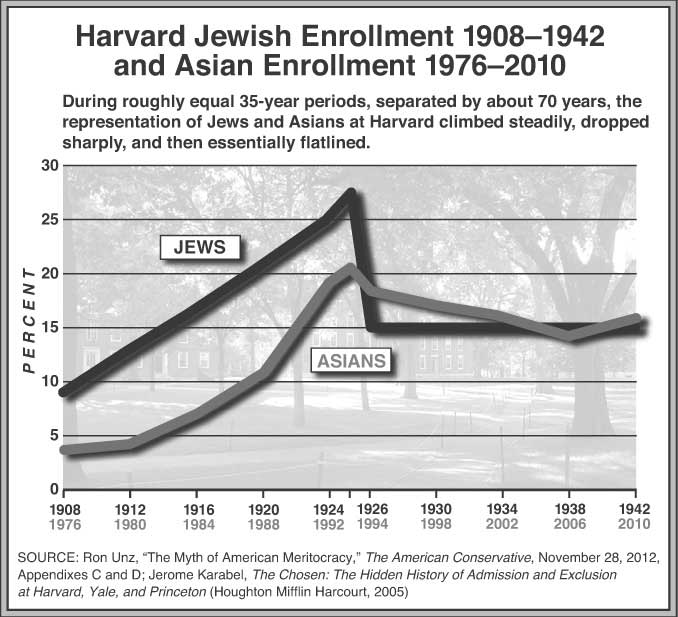


https://www.theguardian.com/us-news/2019/jan/23/elite-schools-ivy-league-legacy-admissions-harvard-wealthier-whiter

Disturbing to think they are still using a method created by white supremacists back in the 1920s as an excuse to say, "oh, we need rich people's money so we can admit more URM".

If they lowered the cost, coupled with the amount these univ have in their endowments, the would not need to rely on legacy donations.

Rich parents is how Trump and Bushes got into ivy leagues. Let that sink in.
Anonymous
Anonymous wrote:
Anonymous wrote:We never donated, but our son was accepted into my husband's alma mater (a top 20). We knew that what we could afford to donate would not even be noticed, so we didn't bother and are glad we didn't.


But why are you glad you didn't? I'm hoping it's because you have chosen to give back to other institutions you feel do more good (or do good in ways you value) versus you would only be giving anywhere as a "pay to play"


We are glad we didn't give because the institution doesn't need our money with one of the largest endowments in the country. If we did give, it would have been for sole purpose of getting our name on the list of donors for our son's admission. Luckily it wouldn't have mattered.
Anonymous
Anonymous wrote:
Anonymous wrote:Just curious about those who donate - how much do you donate if you don't mind sharing. It never occurred to me to donate to my alma mater. Will the school look at my (lack of) donations if/when my child eventually applies (17 years from now)?


We do not give that much in the grand scheme of things - but are consistent and have given for over 25 yrs.

After grad school, we have given $200/yr every year.

Also started giving to my undergrad at that time $100/yr and spouse gives same to another grad school they attended.

The grad school we attended together has removed all legacy policies (we applaud them). My undergrad has very strong legacy policies - older ones didn't apply there - not sure if younger will. It'd be great if they removed legacy preference but I don't see that happening any time soon.

Our giving never had anything to do with legacy (we weren't even engaged when the giving started - let alone, parents). We'd still be giving the same regardless of legacy policies - we give back to support the graduate program at grad school and financial aid at the other schools. We also give to many other organizations but related to either food/housing insecurity or medical research.


You can always indicate that you'd prefer not to name the university your parents attended on an application. No need to even let the school know about a legacy connection if you are against the policy!
Anonymous
Anonymous wrote:
Anonymous wrote:
Anonymous wrote:Just curious about those who donate - how much do you donate if you don't mind sharing. It never occurred to me to donate to my alma mater. Will the school look at my (lack of) donations if/when my child eventually applies (17 years from now)?


We do not give that much in the grand scheme of things - but are consistent and have given for over 25 yrs.

After grad school, we have given $200/yr every year.

Also started giving to my undergrad at that time $100/yr and spouse gives same to another grad school they attended.

The grad school we attended together has removed all legacy policies (we applaud them). My undergrad has very strong legacy policies - older ones didn't apply there - not sure if younger will. It'd be great if they removed legacy preference but I don't see that happening any time soon.

Our giving never had anything to do with legacy (we weren't even engaged when the giving started - let alone, parents). We'd still be giving the same regardless of legacy policies - we give back to support the graduate program at grad school and financial aid at the other schools. We also give to many other organizations but related to either food/housing insecurity or medical research.


You can always indicate that you'd prefer not to name the university your parents attended on an application. No need to even let the school know about a legacy connection if you are against the policy!


Thanks for the tip - more than happy to do this if our child applies. But I wish they'd disregard all legacies.
Anonymous
Kentanji Brown Jackson was first generation Harvard. Her husband was I believe from a multigenerational Harvard legacy family. From everything I have read and heard about him, I don’t think he was an admit that only got in because of legacy like George W. Bush (look at his grades) or the Trump children at Penn. Legacy doubles down on prior privilege. I mean if your great-grandfather or grandfather went to Yale and your Dad went, you are benefitting from a legacy preference that dates back to a time tjose schools actively discriminated against applicants based on race or religion. A time when their grandmothers couldn’t go. Athletics is just another way of building in privilege. Just look at the makeup of the athletic teams and the sports. A lot of wealthy sports are represented. Squash, sailing, water polo, fencing, etc. There’s no recruiting for the debate team, robotics team, band, etc.
post reply Forum Index » College and University Discussion
Message Quick Reply
Go to: