
Please feed the birds! They have young ones and are hungry and tired. IF you love birds enter here..
![[Post New]](/jforum/templates/default/images/icon_minipost_new.gif)
Anonymous
My son does love them. But in my yard, the three oak trees provide plenty of food. It doesn’t seem necessary to let them empty my feeder of expensive bird food while the birds watch from the branches. |
Anonymous
| You mean feed the rats??? Yuck. |
Anonymous
|
I hate to be the buzzkill, but.....
If you put out food, the bird population grows and becomes dependent on it. Then, if you ever move away or stop putting it out, they'll starve because now there's not enough food to go around. Especially in winter - some species will stop migrating if there is food available year-round. So if you stop filling the feeder, they suddenly have no food at the worst time of year. Just something to keep in mind. |
Anonymous
| My bird feeder is a source of joy for us, our cats and the squirrels. Oh And the dogs like the squirrels. |
Anonymous
The Cornell Lab of Ornithology begs to differ. https://www.allaboutbirds.org/news/analysis-do-bird-feeders-help-or-hurt-birds/ https://www.allaboutbirds.org/news/heres-what-to-f...r-summer-bird-feeder-visitors/ |
Anonymous
PP with the links again. To be clear, the first link doesn't address what happens when you go on vacation or move away. They say more research is needed on impacts on migratory species, but they don't hint at whether the impact could be positive or negative. They conclude with "We are still working to refine this analysis, but the take-home message so far is that species that visit bird feeders a lot tend to be doing very well." Although Cornell doesn't mention moving away, I'd interpret this to mean that, if you feed birds for several generations, then you are probably helping increase the total species populations (except in species they mention, like Pinyon Jays, where the bigger problem is habitat loss). My guess is that if you move away, you might (or might not--many birds don't only feed at your feeder) hurt some individual birds. But on net you've increased the species population by helping more birds survive the winter. The second link didn't work, but it was about what to feed your summer feeder visitors, not to stop doing it. It has some good advice about cleaning your feeders, setting them away from your windows, etc. So let's try again with the link: https://www.allaboutbirds.org/news/heres-what-to-feed-your-summer-bird-feeder-visitors/ |
Anonymous
This! Huge Norway rats. Even more disgusting, they eat the bird poop under the feeder. |
Anonymous
|
My dad had a friend who made friends with a great horned owl that would fly (sideways due to large wingspan) into his house for a treat.
Here's another on the topic. I guess whether it is good or bad. . . depends. https://www.audubon.org/news/when-its-okay-or-not-feed-birds |
Anonymous
|
Abstract:
Among the most popular reasons that people feed wild birds is that they want to help birds. The extent to which supplemental food helps birds, however, is not well established. From spring 2011 to spring 2014, we examined how feeding of wild birds influences the health of individual birds at forested sites in central Illinois, USA. Specifically, we compared three forested sites where we provided supplemental food with three forested sites for which no supplemental food was available and monitored changes in the individual health of birds. In addition, we determined whether any changes in bird health had occurred after feeders had been removed from sites 10 months before. Generally, the individual health of birds improved with supplemental feeding, including increased antioxidant levels, reduced stress (heterophil-to-lymphocyte ratio) and more rapid feather growth. In some species, we also found improved body condition index scores and innate immune defense. The difference among sites was not present 10 months after feeders were removed, suggesting that the impact on health was indeed related to supplemental feeding. Potential negative effects of supplemental feeding were also found, including an increase in infectious disease prevalence among individual birds at forested sites where supplemental food was offered. Birds with clear signs of pathology showed deficits in most of the physiological metrics in which birds at feeder sites typically showed improved health condition. At the peak of prevalence of infectious disease, 8.3% of all birds at feeders exhibited symptoms of conjunctivitis, pox, dermal disease or cloacal disease. We found both positive and negative impacts of wild bird feeding, and that, in general, birds that had access to supplemental food were in better physiological condition. Moreover, the negative effects we found may be mitigated by hobbyists engaging in safer bird-feeding practices. Final paragraph: This study is the first to examine the effects of wild bird feeding on the individual health of a broad range of species across multiple seasons and years. We conclude that birds that use feeders are typically healthier than birds without access to feeders, with the exception of higher disease prevalence rate at feeder sites. In addition, our physiological data suggest that the removal of feeders after they are well established does not lead to a crash in the health state, and as such, feeders appear genuinely to be supplemental and do not create dependency among free-living birds in our area. Studies such as ours can be used to develop evidence-based recommendations that can lead to a better bird-feeding experience for both the people who feed birds and the wild birds themselves. https://www.ncbi.nlm.nih.gov/pmc/articles/PMC4778448/ |
Anonymous
|
Anonymous
|
If it were not for city people for ages we would not have any city birds.. researchers should find something more productive to do then try to decimate the bird population that helps keep our city to be filled with joy and presence of the nature.
|
Anonymous
|
YES! Songbirds DO eat Mosquitoes!
Isn't it wonderful solution to a Mosquito problems in the summer????… People knew it for generations!!!! Birds That Eat Mosquitoes Purple Martins. Purple Martins are one of nature's best mosquito repellents. ... Barn Swallows. Barn Swallows are related to the Purple Martin and are also famous as one of the kinds of birds that eat mosquitoes. ... Songbirds. Songbirds like Blackpoll Warblers love to eat mosquitoes as well. ... 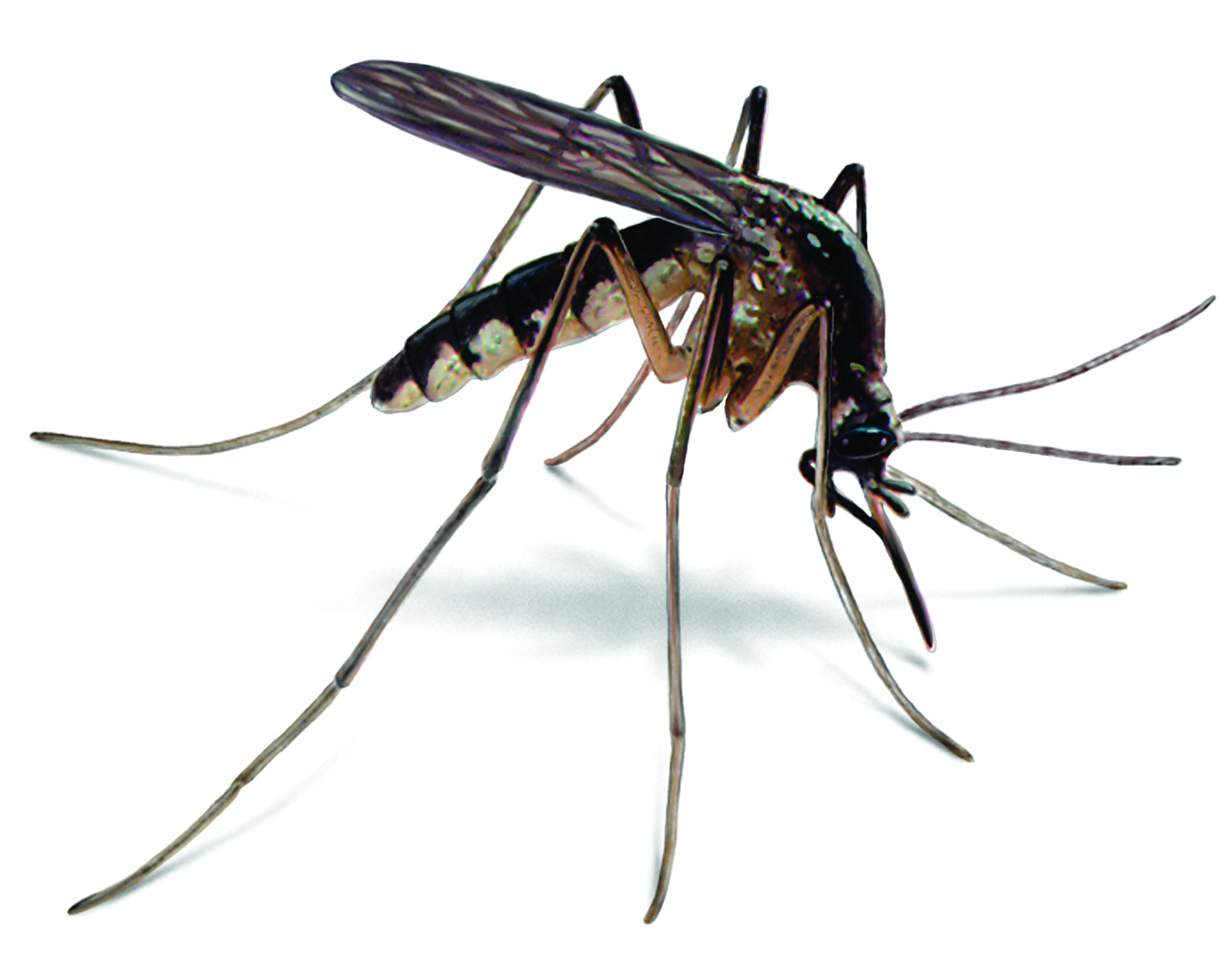
|
Anonymous
Cutest ever.. bird bath:
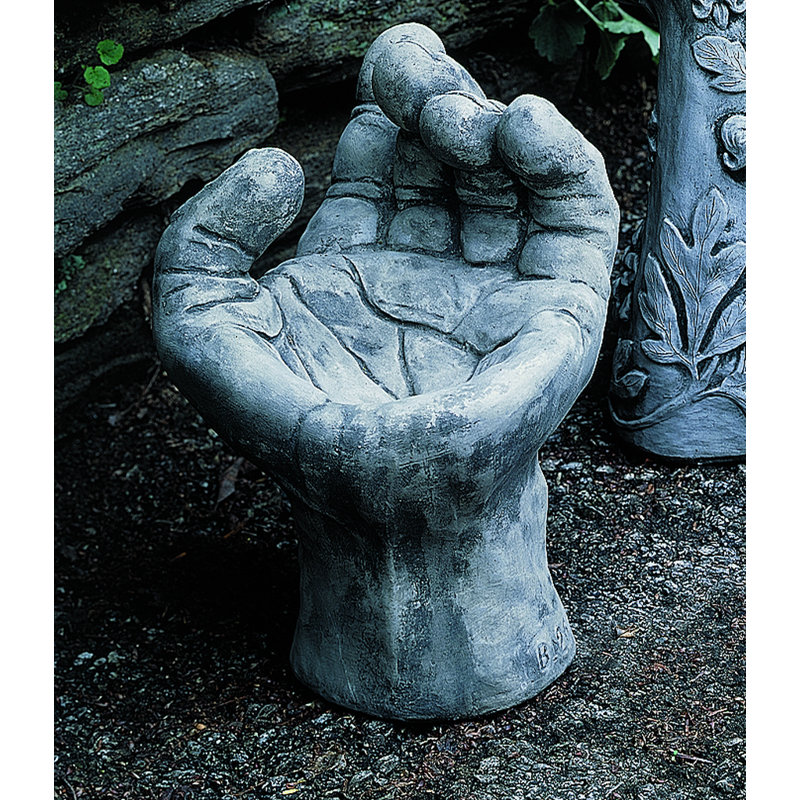
|
Anonymous
|
I know there are some serious bird lovers on her (dare I say obsessed with all the photos, etc.) and I love birds too.
But people - you must take seriously the potential issue of attracting RATS in an urban environment. You must! I went to a local wild bird store, got their recommended feeder, got their recommended feed, hung it in the way they recommended. I. Got. Rats. It was so bad I had to hire an exterminator to come for several months to set out bait boxes/traps. Once you get them, you are opening up your entire household (children, pets) of coming in contact with them or their droppings. Be forewarned. |
Anonymous
Oh, and the exterminator said that just because you don't see them doesn't mean they aren't there since they are more active at night. He also said bird feeders were a big attractant. |