
Let's talk gardening and cicadas
![[Post New]](/jforum/templates/default/images/icon_minipost_new.gif)
Anonymous
| Is there a website that tracks the emergence of Brood X? I'm wondering when we should start seeing them and when they will be out in the masses. |
Anonymous
| I haven’t been tracking the websites but i have been moving some shrubs around in our garden in NW DC, and have unearthed a LOT of cicadas in the course of digging things up. |
Anonymous
Not per se, but there are gardeners who measure soil temp. Two days ago the temp was 54 degrees. They need about 65 degrees soil temp to emerge. I expect by the end of April. |
Anonymous
| I think some have been emerging already. We have 30-50 nickel sized holes in our backyard in the shade of a huge silver maple. |
Anonymous
Anonymous
| I'm so excited. I vividly remember them as a kid and my son is 5 this year. Prime cicada excitement age. |
Anonymous
You know what worked last time? Nothing. The cicadas came, they made a lot of noise, they did not destroy the garden, trees or grass...and they were gone after some time. All the birds had multiple batches of fledglings because of all that yummy treats. Even the foxes and squirrels had a feast, Then they disappeared. The Mockingbirds picked up how to make the cicada noise and so that noise would be heard through Fall...long after the Cicadas had come and gone. It does not bite, it does not smell. Just a dumb old bug that is lovelorn and wants to mate. Like Spring Breakers in Miami. |
Anonymous
| dont spray. you are more likely to damage beneficial insects like butterflies and bees than you are to do anything to stop the cicadas. it will pass quickly and plants, if eaten at all will bounce back. The trees and plants are so resilient, and the cicadas come so infrequently |
Anonymous
| I’m supposed to get some massive regrading and all new sod in about a week. Should I ask to push it off until next month? Will the cicadas ruin my sod? |
Anonymous
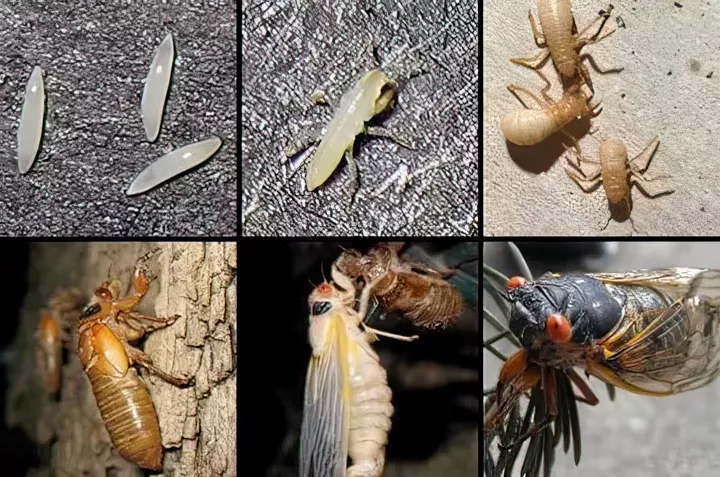
| I thought the pictures were helpful. I dug up some things the other week and we’re wondering if they were cicadas but they did not look like the picture so I guess grubs. |
Anonymous

|
Anonymous
I would push it until just after they are all out just to avoid harming them as they emerge. |
Anonymous
|
Anonymous
and her ortho addiction will kill the pollinators beyond her own yard. It is stupidity. She's still going to have cicadas everywhere. |
Anonymous
I love you! |