Jessica Krug

Anonymous
Anonymous wrote:
Anonymous wrote:Dolezal fundamentally doesn’t understand the black American experience, although she wants to co-opt it. You can’t grow up and move through the world as a white person, and one day decide you “feel” black. Those of us who grew up with the black American cultural experience from birth understand that it is not something you can just put on like a costume. Her magical thinking about this shows the depths of her misunderstanding and entitlement as a white person.


This is the same argument against trans people.


it has validity in both cases.
Anonymous
Anonymous wrote:
Anonymous wrote:
Anonymous wrote:Dolezal fundamentally doesn’t understand the black American experience, although she wants to co-opt it. You can’t grow up and move through the world as a white person, and one day decide you “feel” black. Those of us who grew up with the black American cultural experience from birth understand that it is not something you can just put on like a costume. Her magical thinking about this shows the depths of her misunderstanding and entitlement as a white person.


This is the same argument against trans people.


it has validity in both cases.


I believe there is a subset of trans people who have actual biological or genetic differences that impacts their gender expression in a way that does not match their genitals. And there are another subset of people who are so gender non-comforming for whatever reason (eg very butch lesbian) that transitioning to the other gender makes sense as a way to resolve the tension they may feel. And another subset are mentally ill and project all their issues onto gender dysphoria.
Anonymous
Anonymous wrote:
Anonymous wrote:
Anonymous wrote:
Anonymous wrote:
Anonymous wrote:
Anonymous wrote:Someone just exposed another academic for doing this same thing -- this time at U of Wisconsin. Great read.

https://medium.com/@polite_keppel_dinosaur_57/cv-vitolo-haddad-another-academic-racial-fraud-c5c41fe32110


NP here.
This was an interesting article .

On a related note, could someone explain the concept of “allowing someone into their sacred space”? This has been mentioned repeatedly with respect to Krug and also in the situation above. As a white person, I can only assume but don’t really know for sure. It sounds important for Black people so I would like to understand this concept to be able to respect it.

I think what some minority people may not understand is that white people, in general, do not have a “sacred space”. Not defending her, but maybe Krug wanted to belong to a “sacred space” or part of something bigger. Many “white people” are all just grouped together, and as a result, there is no real culture or sense of belonging at all for them. Minority groups seem to stick together so to speak.


Minority person here, I understand that very well--I've always felt that white Americans are a mishmash and don't really have a strong sense of identity. (My MIL is a white European, and for that reason her son has that sense of identity, but most white Americans don't.) I think that's why really homogenous white affluent areas, like say North Arlington, always seem to have the most infighting and cattiness.

You and the PP make a very good point. We are Greek so our kids have a strong Greek identity. My daughter attends a very affluent school (we moved out of the DMV a few years ago) and her English class had an assignment to write about cultural experiences in their life similar to those in the book Nisei Daughter. The lone Hispanic girl in the class turned to my daughter and whispered, we're lucky, at least we have something to write about. What are the rest of them going to write about - ketchup?


Here it is again, this weird idea that Americanness itself is not a culture. White Americans who have no idea where their ancestors came from certainly DO have a culture, they (and others) just often don’t recognize certain practices as cultural because so much of the rest of the world has adopted them.

Random white Americans who move abroad pretty quickly catch on to this, though. From the space between you and the person ahead of you in line, to how often or when to smile at strangers or acquaintances, to more obvious practices like Halloween trick or treating — if you think these aren’t distinctly cultural practices, then you need to go live somewhere else for a while.

True, decades of imperialism will certainly spread your culture.
Anonymous
Anonymous wrote:
Anonymous wrote:
Anonymous wrote:
Anonymous wrote:
Anonymous wrote:
Anonymous wrote:
Anonymous wrote:Someone just exposed another academic for doing this same thing -- this time at U of Wisconsin. Great read.

https://medium.com/@polite_keppel_dinosaur_57/cv-vitolo-haddad-another-academic-racial-fraud-c5c41fe32110


NP here.
This was an interesting article .

On a related note, could someone explain the concept of “allowing someone into their sacred space”? This has been mentioned repeatedly with respect to Krug and also in the situation above. As a white person, I can only assume but don’t really know for sure. It sounds important for Black people so I would like to understand this concept to be able to respect it.

I think what some minority people may not understand is that white people, in general, do not have a “sacred space”. Not defending her, but maybe Krug wanted to belong to a “sacred space” or part of something bigger. Many “white people” are all just grouped together, and as a result, there is no real culture or sense of belonging at all for them. Minority groups seem to stick together so to speak.


Minority person here, I understand that very well--I've always felt that white Americans are a mishmash and don't really have a strong sense of identity. (My MIL is a white European, and for that reason her son has that sense of identity, but most white Americans don't.) I think that's why really homogenous white affluent areas, like say North Arlington, always seem to have the most infighting and cattiness.

You and the PP make a very good point. We are Greek so our kids have a strong Greek identity. My daughter attends a very affluent school (we moved out of the DMV a few years ago) and her English class had an assignment to write about cultural experiences in their life similar to those in the book Nisei Daughter. The lone Hispanic girl in the class turned to my daughter and whispered, we're lucky, at least we have something to write about. What are the rest of them going to write about - ketchup?


Here it is again, this weird idea that Americanness itself is not a culture. White Americans who have no idea where their ancestors came from certainly DO have a culture, they (and others) just often don’t recognize certain practices as cultural because so much of the rest of the world has adopted them.

Random white Americans who move abroad pretty quickly catch on to this, though. From the space between you and the person ahead of you in line, to how often or when to smile at strangers or acquaintances, to more obvious practices like Halloween trick or treating — if you think these aren’t distinctly cultural practices, then you need to go live somewhere else for a while.

True, decades of imperialism will certainly spread your culture.


You misunderstood the point.
Anonymous
Anonymous wrote:
Anonymous wrote:
Anonymous wrote:
Anonymous wrote:
Anonymous wrote:
Anonymous wrote:Someone just exposed another academic for doing this same thing -- this time at U of Wisconsin. Great read.

https://medium.com/@polite_keppel_dinosaur_57/cv-vitolo-haddad-another-academic-racial-fraud-c5c41fe32110


NP here.
This was an interesting article .

On a related note, could someone explain the concept of “allowing someone into their sacred space”? This has been mentioned repeatedly with respect to Krug and also in the situation above. As a white person, I can only assume but don’t really know for sure. It sounds important for Black people so I would like to understand this concept to be able to respect it.

I think what some minority people may not understand is that white people, in general, do not have a “sacred space”. Not defending her, but maybe Krug wanted to belong to a “sacred space” or part of something bigger. Many “white people” are all just grouped together, and as a result, there is no real culture or sense of belonging at all for them. Minority groups seem to stick together so to speak.


Minority person here, I understand that very well--I've always felt that white Americans are a mishmash and don't really have a strong sense of identity. (My MIL is a white European, and for that reason her son has that sense of identity, but most white Americans don't.) I think that's why really homogenous white affluent areas, like say North Arlington, always seem to have the most infighting and cattiness.

You and the PP make a very good point. We are Greek so our kids have a strong Greek identity. My daughter attends a very affluent school (we moved out of the DMV a few years ago) and her English class had an assignment to write about cultural experiences in their life similar to those in the book Nisei Daughter. The lone Hispanic girl in the class turned to my daughter and whispered, we're lucky, at least we have something to write about. What are the rest of them going to write about - ketchup?


Here it is again, this weird idea that Americanness itself is not a culture. White Americans who have no idea where their ancestors came from certainly DO have a culture, they (and others) just often don’t recognize certain practices as cultural because so much of the rest of the world has adopted them.

Random white Americans who move abroad pretty quickly catch on to this, though. From the space between you and the person ahead of you in line, to how often or when to smile at strangers or acquaintances, to more obvious practices like Halloween trick or treating — if you think these aren’t distinctly cultural practices, then you need to go live somewhere else for a while.


Sorry, preferred amount of personal space does not a culture make. That you would even compare this to the rich linguistic, culinary, music and other traditions of distinct cultural groups is pretty revealing.
Anonymous
Anonymous wrote:
Anonymous wrote:
Anonymous wrote:
Anonymous wrote:Dolezal fundamentally doesn’t understand the black American experience, although she wants to co-opt it. You can’t grow up and move through the world as a white person, and one day decide you “feel” black. Those of us who grew up with the black American cultural experience from birth understand that it is not something you can just put on like a costume. Her magical thinking about this shows the depths of her misunderstanding and entitlement as a white person.


This is the same argument against trans people.


it has validity in both cases.


I believe there is a subset of trans people who have actual biological or genetic differences that impacts their gender expression in a way that does not match their genitals. And there are another subset of people who are so gender non-comforming for whatever reason (eg very butch lesbian) that transitioning to the other gender makes sense as a way to resolve the tension they may feel. And another subset are mentally ill and project all their issues onto gender dysphoria.


Agreed. I'm the black PP above and also feel that trans people are very different than someone claiming a different race/ethnicity, given the biological contributions to trans identity.
Anonymous
Anonymous wrote:
Anonymous wrote:
Anonymous wrote:
Anonymous wrote:
Anonymous wrote:
Anonymous wrote:
Anonymous wrote:Someone just exposed another academic for doing this same thing -- this time at U of Wisconsin. Great read.

https://medium.com/@polite_keppel_dinosaur_57/cv-vitolo-haddad-another-academic-racial-fraud-c5c41fe32110


NP here.
This was an interesting article .

On a related note, could someone explain the concept of “allowing someone into their sacred space”? This has been mentioned repeatedly with respect to Krug and also in the situation above. As a white person, I can only assume but don’t really know for sure. It sounds important for Black people so I would like to understand this concept to be able to respect it.

I think what some minority people may not understand is that white people, in general, do not have a “sacred space”. Not defending her, but maybe Krug wanted to belong to a “sacred space” or part of something bigger. Many “white people” are all just grouped together, and as a result, there is no real culture or sense of belonging at all for them. Minority groups seem to stick together so to speak.


Minority person here, I understand that very well--I've always felt that white Americans are a mishmash and don't really have a strong sense of identity. (My MIL is a white European, and for that reason her son has that sense of identity, but most white Americans don't.) I think that's why really homogenous white affluent areas, like say North Arlington, always seem to have the most infighting and cattiness.

You and the PP make a very good point. We are Greek so our kids have a strong Greek identity. My daughter attends a very affluent school (we moved out of the DMV a few years ago) and her English class had an assignment to write about cultural experiences in their life similar to those in the book Nisei Daughter. The lone Hispanic girl in the class turned to my daughter and whispered, we're lucky, at least we have something to write about. What are the rest of them going to write about - ketchup?


Here it is again, this weird idea that Americanness itself is not a culture. White Americans who have no idea where their ancestors came from certainly DO have a culture, they (and others) just often don’t recognize certain practices as cultural because so much of the rest of the world has adopted them.

Random white Americans who move abroad pretty quickly catch on to this, though. From the space between you and the person ahead of you in line, to how often or when to smile at strangers or acquaintances, to more obvious practices like Halloween trick or treating — if you think these aren’t distinctly cultural practices, then you need to go live somewhere else for a while.


Sorry, preferred amount of personal space does not a culture make. That you would even compare this to the rich linguistic, culinary, music and other traditions of distinct cultural groups is pretty revealing.

+1
Anonymous
Anonymous wrote:
Anonymous wrote:
Anonymous wrote:
Anonymous wrote:
Anonymous wrote:
Anonymous wrote:
Anonymous wrote:Someone just exposed another academic for doing this same thing -- this time at U of Wisconsin. Great read.

https://medium.com/@polite_keppel_dinosaur_57/cv-vitolo-haddad-another-academic-racial-fraud-c5c41fe32110


NP here.
This was an interesting article .

On a related note, could someone explain the concept of “allowing someone into their sacred space”? This has been mentioned repeatedly with respect to Krug and also in the situation above. As a white person, I can only assume but don’t really know for sure. It sounds important for Black people so I would like to understand this concept to be able to respect it.

I think what some minority people may not understand is that white people, in general, do not have a “sacred space”. Not defending her, but maybe Krug wanted to belong to a “sacred space” or part of something bigger. Many “white people” are all just grouped together, and as a result, there is no real culture or sense of belonging at all for them. Minority groups seem to stick together so to speak.


Minority person here, I understand that very well--I've always felt that white Americans are a mishmash and don't really have a strong sense of identity. (My MIL is a white European, and for that reason her son has that sense of identity, but most white Americans don't.) I think that's why really homogenous white affluent areas, like say North Arlington, always seem to have the most infighting and cattiness.

You and the PP make a very good point. We are Greek so our kids have a strong Greek identity. My daughter attends a very affluent school (we moved out of the DMV a few years ago) and her English class had an assignment to write about cultural experiences in their life similar to those in the book Nisei Daughter. The lone Hispanic girl in the class turned to my daughter and whispered, we're lucky, at least we have something to write about. What are the rest of them going to write about - ketchup?


Here it is again, this weird idea that Americanness itself is not a culture. White Americans who have no idea where their ancestors came from certainly DO have a culture, they (and others) just often don’t recognize certain practices as cultural because so much of the rest of the world has adopted them.

Random white Americans who move abroad pretty quickly catch on to this, though. From the space between you and the person ahead of you in line, to how often or when to smile at strangers or acquaintances, to more obvious practices like Halloween trick or treating — if you think these aren’t distinctly cultural practices, then you need to go live somewhere else for a while.


Sorry, preferred amount of personal space does not a culture make. That you would even compare this to the rich linguistic, culinary, music and other traditions of distinct cultural groups is pretty revealing.


We have no linguistic tradition? We have our version of English, rich with different idioms, accents, etc. We also have produced a great deal of literary classics in the past 244 years.

Culinary traditions? Hello BBQ! One rarely sees anyone from outside of North America competing (and doing well) on Pitmasters

Music? Jazz? Rock ‘n Roll??? Where did MTV start? France?????

Other traditions? Thanksgiving, Hallowe’en, Spring Break, Senior Prom, summer camp, widespread conveniences

You may not appreciate these cultural markers, but to say that the United States is without culture is an ignorant comment
Anonymous
Anonymous wrote:
Anonymous wrote:
Anonymous wrote:
Anonymous wrote:
Anonymous wrote:
Anonymous wrote:
Anonymous wrote:
Anonymous wrote:Someone just exposed another academic for doing this same thing -- this time at U of Wisconsin. Great read.

https://medium.com/@polite_keppel_dinosaur_57/cv-vitolo-haddad-another-academic-racial-fraud-c5c41fe32110


NP here.
This was an interesting article .

On a related note, could someone explain the concept of “allowing someone into their sacred space”? This has been mentioned repeatedly with respect to Krug and also in the situation above. As a white person, I can only assume but don’t really know for sure. It sounds important for Black people so I would like to understand this concept to be able to respect it.

I think what some minority people may not understand is that white people, in general, do not have a “sacred space”. Not defending her, but maybe Krug wanted to belong to a “sacred space” or part of something bigger. Many “white people” are all just grouped together, and as a result, there is no real culture or sense of belonging at all for them. Minority groups seem to stick together so to speak.


Minority person here, I understand that very well--I've always felt that white Americans are a mishmash and don't really have a strong sense of identity. (My MIL is a white European, and for that reason her son has that sense of identity, but most white Americans don't.) I think that's why really homogenous white affluent areas, like say North Arlington, always seem to have the most infighting and cattiness.

You and the PP make a very good point. We are Greek so our kids have a strong Greek identity. My daughter attends a very affluent school (we moved out of the DMV a few years ago) and her English class had an assignment to write about cultural experiences in their life similar to those in the book Nisei Daughter. The lone Hispanic girl in the class turned to my daughter and whispered, we're lucky, at least we have something to write about. What are the rest of them going to write about - ketchup?


Here it is again, this weird idea that Americanness itself is not a culture. White Americans who have no idea where their ancestors came from certainly DO have a culture, they (and others) just often don’t recognize certain practices as cultural because so much of the rest of the world has adopted them.

Random white Americans who move abroad pretty quickly catch on to this, though. From the space between you and the person ahead of you in line, to how often or when to smile at strangers or acquaintances, to more obvious practices like Halloween trick or treating — if you think these aren’t distinctly cultural practices, then you need to go live somewhere else for a while.


Sorry, preferred amount of personal space does not a culture make. That you would even compare this to the rich linguistic, culinary, music and other traditions of distinct cultural groups is pretty revealing.


We have no linguistic tradition? We have our version of English, rich with different idioms, accents, etc. We also have produced a great deal of literary classics in the past 244 years.

Culinary traditions? Hello BBQ! One rarely sees anyone from outside of North America competing (and doing well) on Pitmasters

Music? Jazz? Rock ‘n Roll??? Where did MTV start? France?????

Other traditions? Thanksgiving, Hallowe’en, Spring Break, Senior Prom, summer camp, widespread conveniences

You may not appreciate these cultural markers, but to say that the United States is without culture is an ignorant comment


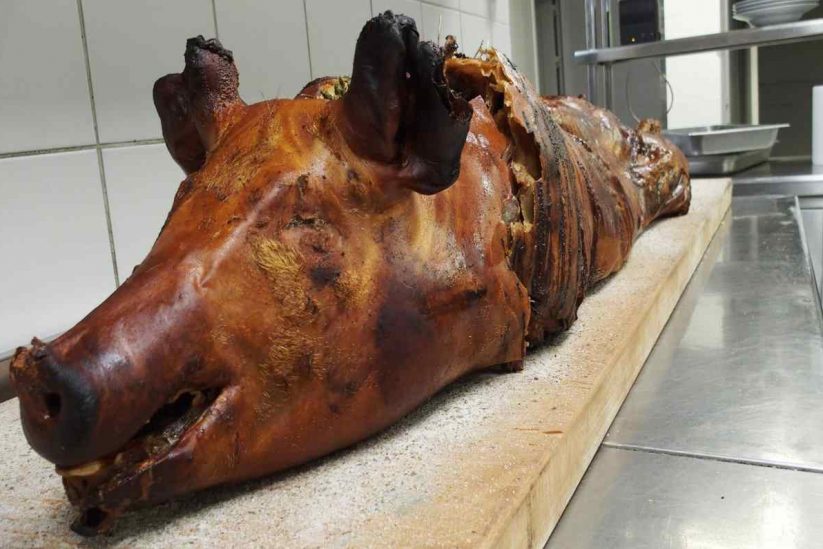
Other places in the world have long traditions with “bbq.”
Anonymous
Anonymous wrote:
Anonymous wrote:
Anonymous wrote:
Anonymous wrote:
Anonymous wrote:
Anonymous wrote:
Anonymous wrote:
Anonymous wrote:Someone just exposed another academic for doing this same thing -- this time at U of Wisconsin. Great read.

https://medium.com/@polite_keppel_dinosaur_57/cv-vitolo-haddad-another-academic-racial-fraud-c5c41fe32110


NP here.
This was an interesting article .

On a related note, could someone explain the concept of “allowing someone into their sacred space”? This has been mentioned repeatedly with respect to Krug and also in the situation above. As a white person, I can only assume but don’t really know for sure. It sounds important for Black people so I would like to understand this concept to be able to respect it.

I think what some minority people may not understand is that white people, in general, do not have a “sacred space”. Not defending her, but maybe Krug wanted to belong to a “sacred space” or part of something bigger. Many “white people” are all just grouped together, and as a result, there is no real culture or sense of belonging at all for them. Minority groups seem to stick together so to speak.


Minority person here, I understand that very well--I've always felt that white Americans are a mishmash and don't really have a strong sense of identity. (My MIL is a white European, and for that reason her son has that sense of identity, but most white Americans don't.) I think that's why really homogenous white affluent areas, like say North Arlington, always seem to have the most infighting and cattiness.

You and the PP make a very good point. We are Greek so our kids have a strong Greek identity. My daughter attends a very affluent school (we moved out of the DMV a few years ago) and her English class had an assignment to write about cultural experiences in their life similar to those in the book Nisei Daughter. The lone Hispanic girl in the class turned to my daughter and whispered, we're lucky, at least we have something to write about. What are the rest of them going to write about - ketchup?


Here it is again, this weird idea that Americanness itself is not a culture. White Americans who have no idea where their ancestors came from certainly DO have a culture, they (and others) just often don’t recognize certain practices as cultural because so much of the rest of the world has adopted them.

Random white Americans who move abroad pretty quickly catch on to this, though. From the space between you and the person ahead of you in line, to how often or when to smile at strangers or acquaintances, to more obvious practices like Halloween trick or treating — if you think these aren’t distinctly cultural practices, then you need to go live somewhere else for a while.


Sorry, preferred amount of personal space does not a culture make. That you would even compare this to the rich linguistic, culinary, music and other traditions of distinct cultural groups is pretty revealing.


We have no linguistic tradition? We have our version of English, rich with different idioms, accents, etc. We also have produced a great deal of literary classics in the past 244 years.

Culinary traditions? Hello BBQ! One rarely sees anyone from outside of North America competing (and doing well) on Pitmasters

Music? Jazz? Rock ‘n Roll??? Where did MTV start? France?????

Other traditions? Thanksgiving, Hallowe’en, Spring Break, Senior Prom, summer camp, widespread conveniences

You may not appreciate these cultural markers, but to say that the United States is without culture is an ignorant comment


Um, these are American traditions and broad practices that lots of individual cultures in American share. A lot of this like BBQ are regional. Still not a distinct culture, despite your grasping at straws.
Anonymous
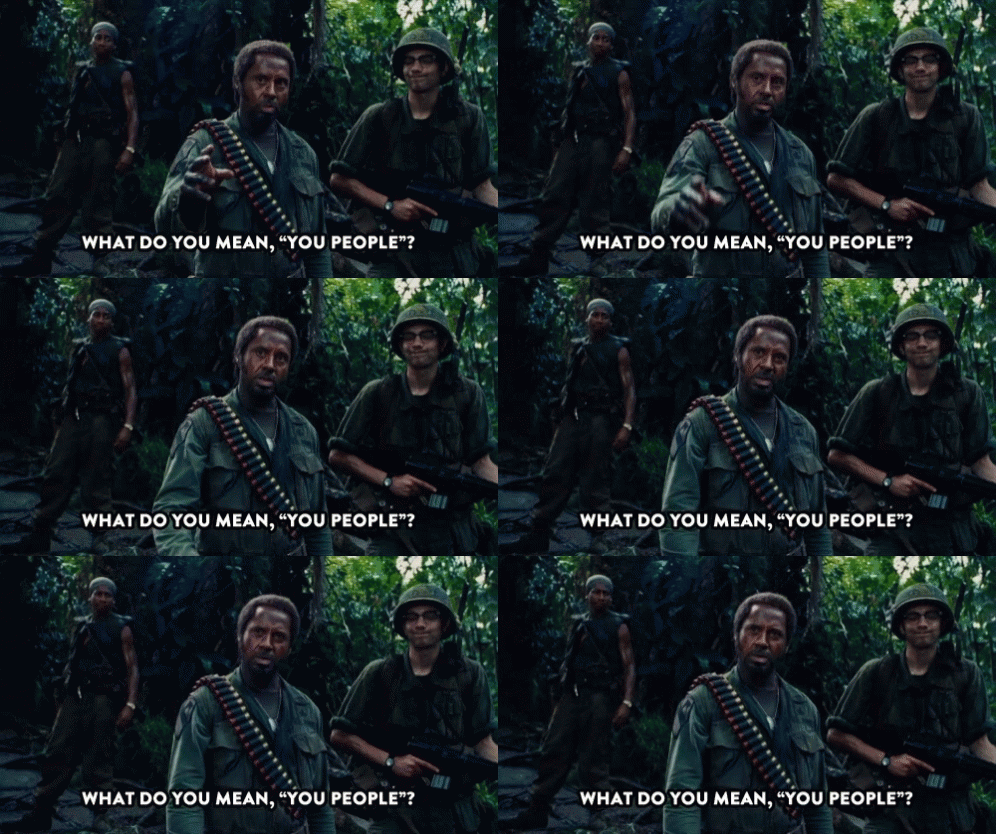
She reminds me of Robert Downey Jr's blackface character in "Tropic Thunder"
Anonymous
She’s probably going to make millions parlaying all this into a book followed by a Lifetime movie deal. Who should play her?
Anonymous
Anonymous wrote:
Anonymous wrote:
Anonymous wrote:
Anonymous wrote:
Anonymous wrote:
Anonymous wrote:
Anonymous wrote:
Anonymous wrote:
Anonymous wrote:Someone just exposed another academic for doing this same thing -- this time at U of Wisconsin. Great read.

https://medium.com/@polite_keppel_dinosaur_57/cv-vitolo-haddad-another-academic-racial-fraud-c5c41fe32110


NP here.
This was an interesting article .

On a related note, could someone explain the concept of “allowing someone into their sacred space”? This has been mentioned repeatedly with respect to Krug and also in the situation above. As a white person, I can only assume but don’t really know for sure. It sounds important for Black people so I would like to understand this concept to be able to respect it.

I think what some minority people may not understand is that white people, in general, do not have a “sacred space”. Not defending her, but maybe Krug wanted to belong to a “sacred space” or part of something bigger. Many “white people” are all just grouped together, and as a result, there is no real culture or sense of belonging at all for them. Minority groups seem to stick together so to speak.


Minority person here, I understand that very well--I've always felt that white Americans are a mishmash and don't really have a strong sense of identity. (My MIL is a white European, and for that reason her son has that sense of identity, but most white Americans don't.) I think that's why really homogenous white affluent areas, like say North Arlington, always seem to have the most infighting and cattiness.

You and the PP make a very good point. We are Greek so our kids have a strong Greek identity. My daughter attends a very affluent school (we moved out of the DMV a few years ago) and her English class had an assignment to write about cultural experiences in their life similar to those in the book Nisei Daughter. The lone Hispanic girl in the class turned to my daughter and whispered, we're lucky, at least we have something to write about. What are the rest of them going to write about - ketchup?


Here it is again, this weird idea that Americanness itself is not a culture. White Americans who have no idea where their ancestors came from certainly DO have a culture, they (and others) just often don’t recognize certain practices as cultural because so much of the rest of the world has adopted them.

Random white Americans who move abroad pretty quickly catch on to this, though. From the space between you and the person ahead of you in line, to how often or when to smile at strangers or acquaintances, to more obvious practices like Halloween trick or treating — if you think these aren’t distinctly cultural practices, then you need to go live somewhere else for a while.


Sorry, preferred amount of personal space does not a culture make. That you would even compare this to the rich linguistic, culinary, music and other traditions of distinct cultural groups is pretty revealing.


We have no linguistic tradition? We have our version of English, rich with different idioms, accents, etc. We also have produced a great deal of literary classics in the past 244 years.

Culinary traditions? Hello BBQ! One rarely sees anyone from outside of North America competing (and doing well) on Pitmasters

Music? Jazz? Rock ‘n Roll??? Where did MTV start? France?????

Other traditions? Thanksgiving, Hallowe’en, Spring Break, Senior Prom, summer camp, widespread conveniences

You may not appreciate these cultural markers, but to say that the United States is without culture is an ignorant comment


Um, these are American traditions and broad practices that lots of individual cultures in American share. A lot of this like BBQ are regional. Still not a distinct culture, despite your grasping at straws.


Your desire to think America has no culture is so sad. I can’t tell if you’re a set-hating American who knows little about other cultures, or a non-American who knows little about America.

You do know most cultures have regional variations? Anything you consider Chinese food is from a particular region (probably Canton / Guangdong province, where the first Chinese immigrants to America came from). Ramen in Japan is regional. If you tell an Indian person you like “Indian food” they will have no idea what kind you mean. Oktoberfest and the dress we think of as stereotypically German is Bavarian. Or let’s talk about music and dance — no one pretends flamenco isn’t Spanish because it’s from “just” Andalusia.

Meanwhile there are traditions that unite Americans across the country — Thanksgiving, Halloween, Fourth of July. BBQ varies by region but most regions in America have some version of it. Ditto our various unique music traditions.
Anonymous
70 years ago AAs could never imagine in the year 2020, whites would pretend to be black.
Anonymous
Anonymous wrote:
Anonymous wrote:
Anonymous wrote:
Anonymous wrote:
Anonymous wrote:
Anonymous wrote:She doesn’t look black at all. She doesn’t even look mixed.


Don’t be ridiculous. Vanessa Williams has stunning blue eyes with very pale skin. You can be black and “look white” as it were.

Anyone can tell Vanessa Williams is part black. Jessica Krug doesn’t look black at all.


Yes, maybe because I'm another light-skinned, blue-eyed black woman, Williams looks obviously black to me. Both her parents are black, but from her Wiki, she's got almost half European DNA:

"Later in life, she participated in a DNA test with the following results: 23% from Ghana, 17% from the British Isles, 15% from Cameroon, 12% Finnish, 11% Southern European, 7% from Togo, 6% from Benin, 5% from Senegal, and 4% Portuguese.[4]"

https://en.wikipedia.org/wiki/Vanessa_Williams

Krug doesn't look black to me at all, but I wouldn't challenge her too much if she told me she had some black ancestry because who lies about this (ha)? Although she does seem to overdo it a bit in the clips I've seen of her--that might make me a little skeptical.

Vanessa Williams part of the conversation about 10 pages ago. The problem isn’t what she looks like, the problem is the lies

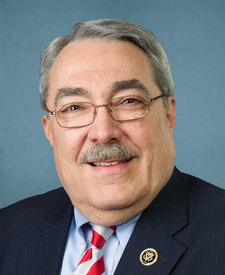
This is Congressman butterfield:

He’s a black man. Both his parents were black. It shouldn’t be up to others to judge if people are black enough (or in krug’s case—not black at all). It would be great if people didn’t feel the compulsion to lie about who they are. In krug’s case, the many inconsistencies in where she came from should have been addressed a while ago.

His parents are both mixed race.


Great point! I’d really like to understand the implications of your great point better! So: Explain to me how being “mixed race” worked out for Congressman Butterfield, his parents, and his family in the very segregated South when he was born in 1947? Legally? Socially? With Segregated schools? Churches? How exactly did that “both mixed race” thing play out? I’m guessing you got your great point from Wikipedia— NOT from Congressman Butterfield.
post reply Forum Index » Off-Topic
Message Quick Reply
Go to: