
DC considering movie captioning bill for deaf/hard of hearing patrons
![[Post New]](/jforum/templates/default/images/icon_minipost_new.gif)
Anonymous
because it is instant . Movies can have time for edits etc |
Anonymous
|
I don't see why theaters don't just embrace technology.
Just have AFI, AMC, Regal Cinemas, etc. have these available for patrons who need them. Sony Entertainment Access Glasses are sort of like 3-D glasses, but for captioning. The captions are projected onto the glasses and appear to float about 10 feet in front of the user. They also come with audio tracks that describe the action on the screen for blind people, or they can boost the audio levels of the movie for those who are hard of hearing. https://www.npr.org/sections/alltechconsidered/2013/05/12/183218751/new-closed-captioning-glasses-help-deaf-go-out-to-the-movies 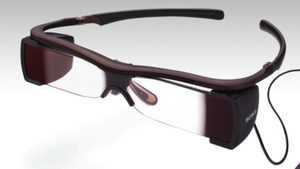
|
Anonymous
That is technically accurate when read in isolation. But the federal government does have power to mandate closed captioning *equipment* be installed in theaters. Indeed, that's what the federal Americans With Disabilities Act requires. Whether or not the film actually has captions (and virtually all do) is up to the studios. In any event, this is a DC City Council bill we are talking about, not the federal government. |
Anonymous
The deaf community claims that open captions (i.e., words on the screen) are easier to read and follow than the closed captioning technologies. They also complain that the theaters do a very poor job of maintaining the closed captioning equipment (which often doesn't work). |