
Federal Reserve: signs abound that housing market is entering bubble territory
![[Post New]](/jforum/templates/default/images/icon_minipost_new.gif)
Anonymous
|
someone just tell me what to do.
We live in the midwest and have our primary home and lake home paid for. We are three years from retirement. We want to buy our snowbird place in SWFL somewhere where we can have our boat in close proximity, like, in our back yard. Pull the trigger now or wait? We'll pay cash. It makes no sense to do it now, right? Unless housing prices for sure, in that neck of the woods, go up. |
Anonymous
If you're paying in cash and retiring there, why does it matter if the prices go down? |
Anonymous
If you are paying cash there is no reason not to wait to see what happens with the bubble. You won't be affected by raising interest rates and you can pick up some good bargains as interest rates lower purchase prices. If there actually is a correction in the next 6 months, then you can pick up some great bargains. You should absolutely wait at least 6 months. If you are set on spending extended time down there this winter, you can always get a short-term rental. |
Anonymous
want to get the best money can buy and being we can wait three years, maybe we should. |
Anonymous
what I thought, thanks. |
Anonymous
If you can't sell your property for what you paid, why in the world would a renter pay enough to cover your mortgage? Rents would also be done in that scenario. It will be a renter's market (and a buyer's market). Why would a renter move in with you to help you pay your mortgage when there are a lot of other options? Also, what family with kids wants to take a stranger into their home just to pay the mortgage in an underwater house? Most people would vastly prefer bankruptcy to taking in a boarder just to hang onto an overpriced and underwater asset. |
Anonymous
Well said. Bottom line: there are a lot of people who are stretching to the limit to buy, and the cost of everything is going up. Will unemployment stay low? Maybe, maybe not. But the Fed needs demand for employment to slow to slow down inflation. Recession/stagflation and lots of people stretched to the limit to pay their mortgage is not a good combination. |
Anonymous
*Prices would also be down in that scenario. Rents and purchase prices track together. As housing prices decrease, rents will also decrease as more owners try to rent out what they can't sell (without taking a loss). |
Anonymous
I think this is probably the best advice. However, SW Florida is an area that has seen big population gains, and they were starting from a lower baseline in terms of real estate prices, so I’d think that area is less likely to see a real fall off in prices than areas where prices have been going up despite a loss in population. There’s more ability to build new houses there, but that doesn’t apply if you want waterfront. IME, as someone who bought waterfront property in 2005 and sold it in 2010, waterfront houses tend to hold their value. They aren’t making any more. It is possible to lose money in waterfront property, but you’re unlikely to lose your shirt on it. 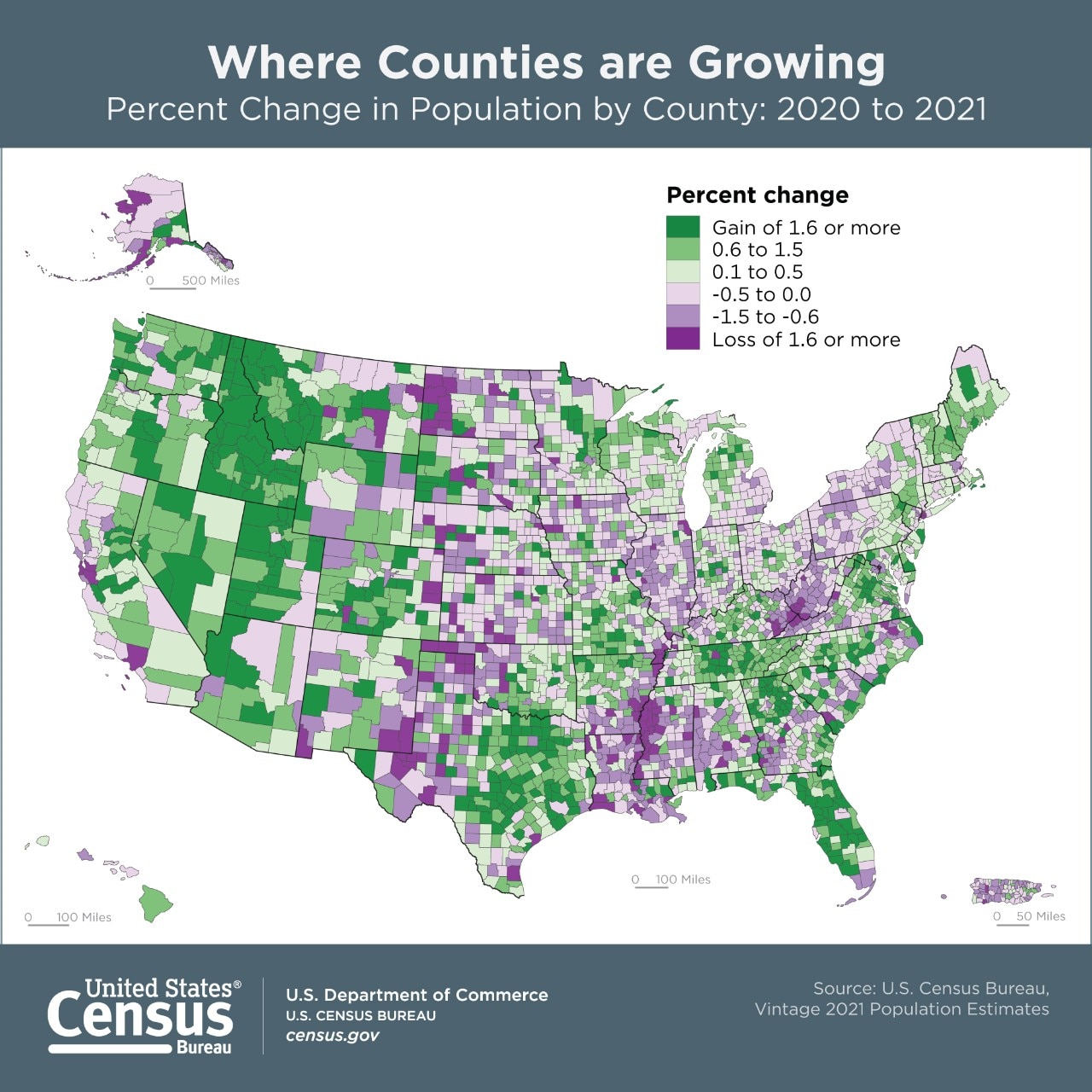
|
Anonymous
|
What will this minor correction look like?
Are we talking a home that is valued at $850k drops $50k or more like $100k in value? Or will be even more slight? I've been very tempted to sell but then that would mean buying another home. The buying part and future corrections are what have kept me from listing. My sister just closed on a house where they had to offer $50k over asking, waive all contingencies, and do a 3-month rent back to the sellers rent free so their kids could finish out the school year in mid-June. They only got this home because their agent was tipped off by her sister, also a realtor, before it hit the MLS. Before that, they'd lost out on something like 5 or 6 places. The last house they lost out on was a full cash offer accepted - $1.3mil. |
Anonymous
Could you sell, pocket the equity cash in a 6 month CD, then buy in 6-12 months during the correction? I know that’s not practical for many people (moving twice, renting in between) but from a financial standpoint that would be the ideal thing to do. |
Anonymous
If there is a correction, prices will decrease across the board and most everything will probably spend some time at at least it’s 2019 valuation. But some properties will lose much more value, and some will not. This is because some properties’ recent purchase prices were completely unhinged from the reality of the properties’ fundamentals (location, sf, fundamental condition, etc) and others sold closer to their fundamental value. Buyer psychology, marketing, luck, and timing all played a role in these differences. So it will probably look different for different properties, but fundamental measures like price per sf will decrease across the board. |
Anonymous
I know this guy has a cult following, but he’s a retired technology executive, not an economist. In my opinion (and, evidently, the opinion of at least some Fed economists) this guy is underestimating the degree to which people are overextended on their mortgages as we head into a potential recession. McBride talks about distressed sales being a big catalyst for the 2007 crash, and that’s right, but that cyclone was also fed by the unregulated secondary derivatives market. Today, we also have an issue of overextended owners, but it’s not as dramatic as 2007 (better lending practices) and even if there are significant numbers of distressed sales, it shouldn’t unravel the rest of the economy (unless the Fed unintentionally triggers this through its planned MBS sell off). So we are looking at a smaller, more controlled version of 2007 (housing price downturn fueled by overextended distressed sales, which itself is fueled by a correction caused by increased interest rates) unless the Fed MBS sell off throws the market into a panic by accelerating the downturn beyond what investors are willing to tolerate in the short term. So anything between a moderate downturn to a spiraling collapse is very possible. My own view (which I hope is more than wishful thinking) is that it will be closer to a downturn than a spiral because I think market regulators learned a lot from 2007 and have some tools st the ready to stave off a complete panic. What’s so frustrating on this board, and in this substack, and elsewhere is that people are quick to insist this isn’t 2007 because most lending portfolios are on much more solid ground (ie the mortgages in a given bundle are less precarious) than in 2007, and that’s quite right. But what these folks fail to appreciate is that we have new (but equally scary) fundamental problems in the market right now— namely the Fed’s portfolio and market behavior during unpredictable pandemic cycles (an unpredictability that is increased by the looming threat of both a new Cold War and a new recession). So no, the same circumstances that gave rise to the 2007 collapse are not in place now. Instead we have different and potentially scarier problems. |
Anonymous
Agree with this. “ However, we should expect something similar to the what happened in the late ‘70s - a decline in real house prices seems likely, and I also expect some decline in housing starts and new home sales. With solid lending, nominal prices should be sticky downwards, and I don’t expect national declines in nominal prices. The size of the declines in new home sales and housing starts will depend on how much inflation is embedded, and therefore how much the Fed will have to raise rates (and reduce their balance sheet) to control inflation. If a large portion of inflation is transitory, the impact on housing will be minimal. However, if the Fed has to raise rates significantly, then we would expect a larger impact. Currently we just have to watch and wait. However, we can be fairly confident that we won’t see cascading nominal price declines like during the housing bust - since there will be few distressed sales.” |