
Pediatrician wants a weight check follow up
![[Post New]](/jforum/templates/default/images/icon_minipost_new.gif)
Anonymous
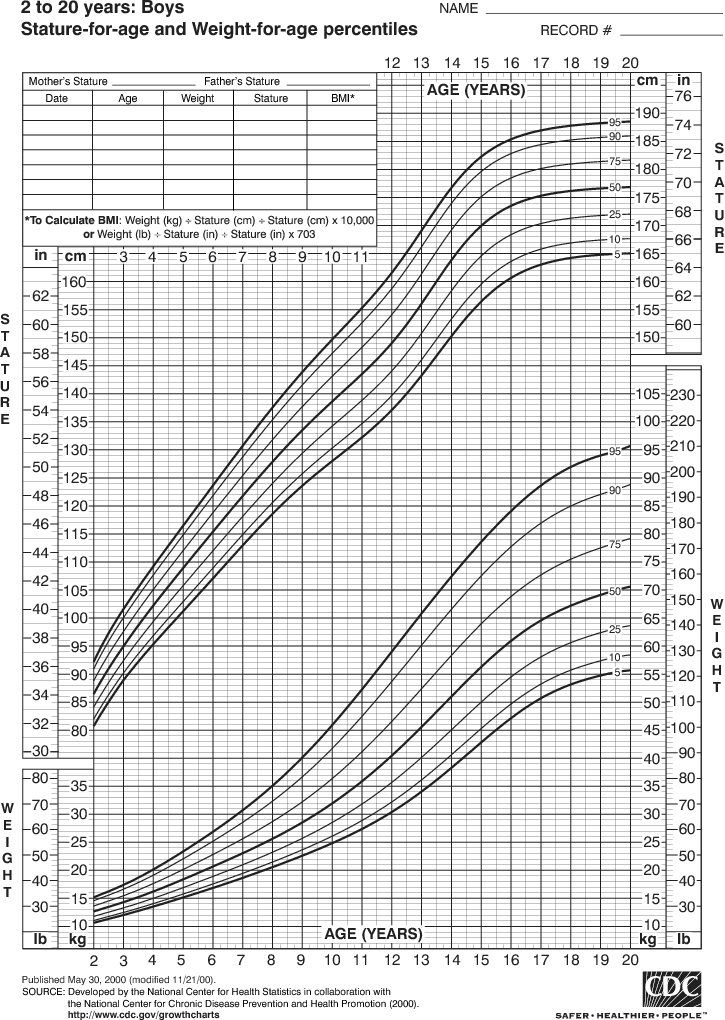
Kids/teens are given a percentile. The raw BMI number is then compared to other kids of the same age and gender and given a percentile- if it’s over 85th percentile is considered overweight. Over 95th percentile is obese |
Anonymous
The BMI is given a percentage, just as their height and weight are- for their age and gender |
Anonymous
NP here. It can be helpful if you have historical data to compare it to. For example, my DS was 8th percentile at the age of 2-3 and is now 93th percentile at the age of 8. We have received a recommendation to alter his diet due to this. It's been a month, and I can already see the results by swapping half of carbs (e.g., pasta) for vegetables and choosing whole grains for all carbs (whole wheat pasta, brown rice, etc.) His diet is good otherwise. For OP, lemonade should go first. Liquid sugar is the worst kind and his body can't handle it as efficiently as it would have with even a solid dessert. It's not just about his height or sports performance: if he starts to gain extra weight this early, he'll be on the track for a bunch of health problems in his 20s or 30s. Right now is a good time to teach good nutrition habits that will serve him his entire life. Watch Dr. Alex Wibberley on youtube for a great explanation of how simple carbs affect people's bodies and influence hunger as opposed to protein and fiber rich meals. It will take work rehauling his diet, but he will notice the changes in how he feels, too. |
Anonymous
|
My kid was super skinny as a small child and we had to do anything to get him to eat enough calories to grow properly. By the time he was 10 he was no longer so skinny but he was super picky. He also had (and still has) the gag reflex and vomiting. He is 20 and will vomit (still!) if he eat something with a texture he can’t tolerate, especially if it was unexpected. He hates it, works on expanding his palate, and is getting better slowly. But it is a long road, so pace yourself.
What I hard a hard time doing was moving from “I must get the child to eat or he won’t grow!” to “I must offer healthy food and my child can decide whether to eat or not.” The early fear about lack of calories and nutrition lingers. But your child is over that now, and so you need to get beyond it too so that you can help him develop healthier habits. I imagine the feeding clinic he attended would have some good guidance on this new (and haelthier!) life stage. |
Anonymous
This! X100 |
Anonymous
| Minimize junk food. Lots of empty calories there. |
Anonymous
Your kid has ARFID and it needs treatment. Your pediatrician should be referring him for this. Has he? |
Anonymous
Op, my child was severely underweight for about 5 years, from ages 5-10, basically growing (slowly ) while not gaining weight. BMI dropped from 4% to the very, very low end of 1%. DD did feedingtherapy, saw a nutritionist, and we did weekly weigh ins and home and monthly at the doctor. Also a picky eater, and got most calories through high calories smoothies/shakes because did not ingest enough food (or eat enough variety) to otherwise maintain weight. So I’ve been there. I was delighted when DD gained a bunch of weight at age 10 to get to 2% BMI and now at 5% BMI. She gained about 30 lbs in 2 years (grew about 5 inches) and finally looks normal but slender. Food and calories was a constant conversation in our house for many years - mostly that she needed more calories because her body needed more fuel. But as she got to normal weight we transitioned her meals - milkshakes stopped, dessert portions got smaller, I didn’t push snacks or food, and she stopped having sugary drinks - and we discussed how she was no longer trying to gain weight so we were changing out eating habits because her body didn’t need as many calories. She is still a picky eater, only eats one vegetable (under pressure), and mostly carbs, but since she is young I can still monitor most of her meals and make sure she doesn’t overeat. If she is still hungry after she eats a reasonable portion of lunch or dinner, she can fill up on fruit, but she rarely will unless she is really hungry. At some point, it seems you let your child eat whatever and however much they wanted, perhaps out of fear they would remain underweight. But they aren’t, and you need to adjust how your child relates to food. Food therapy is no longer recommended after age 8, instead your DC can work with a therapist to introduce new foods (ask about this when looking for someone - we found a few who did, although many do not). You probably know all the strategies from the food therapists - it’s the same, you just have to be consistent. Also, if it’s helpful to have someone else to “lead” in developing a new diet, work with a nutritionist to develop a food plan. They don’t have any silver bullets, but then you have a professional telling your child stuff like “cut sugary drinks”, etc, and you can just blame them if your child gets upset. |
Anonymous
|
OP is your kid ND and you are burying the lede,
Kid has orthorexia and maybe food sensitivity. See feeding therapist again, |
Anonymous
| Seek food therapy asap |
Anonymous
Will he drink smoothies? Add ice, milk banana and a frozen fruit of his choice and throw it in the Vitamix and you've got a smoothie. You can freeze these as well and make pops. If he likes chocolate use milk ice chocolate milk mix banana maybe peanut butter That one is high in protein. |
Anonymous
First of all, a height of 5’7 to 5’9 is very normal and expected since you and MIL are very short at 5’0. People seem to think a child’s height takes after the same gender parent/family members, but that is not true at all. It can be either, or a combination. As for the weight, it sounds like he is a restrictive eater. Paradoxically, sometimes kids with restrictive eating end up overweight because their diet is not balanced and they end up eating too many simple carbohydrates and sugars. I would go back to the dietician for further advice. Also, some boys gain weight around this age leading into puberty/growth spurt. |
Anonymous
| Most of you don’t know what you are talking about. Feeding therapy is generally not recommended after 8. If he has ARFID (he might!) he needs to be diagnosed and have cognitive behavioral therapy. But my kid has been in treatment for ages and still gags if there’s too much food pressure. It’s not that simple. |
Anonymous
We cannot help you. I hope that your child is seeing a psychiatrist that specializes in his type of eating disorder and a pediatric dietician who can help you create a balanced meal plan within his restrictions/limitations. If he is not then you need to find a pediatrician who takes his issues seriously and refers you to the appropriate professionals. |
Anonymous
| Your child needs to be more active. Go on daily walks, play sports, etc. |