
I think my kid's camp bedding got bedbugs last summer. If I wash it, is it ok?
![[Post New]](/jforum/templates/default/images/icon_minipost_new.gif)
Anonymous
| I only read the header but why didn't you light it on fire last year? |
Anonymous
Why would I do that? There were no signs of bugs at all when I washed them and put them in the bin. |
Anonymous
|
OP here
I've been googling "basement insects" and I'm wondering if they could possibly be termites? It looks like termite bodies are longer (instead of round like the bedbugs) which is what these bugs look like. Since they are dead, I don't know if they've shriveled or something that have changed their body shape. |
Anonymous
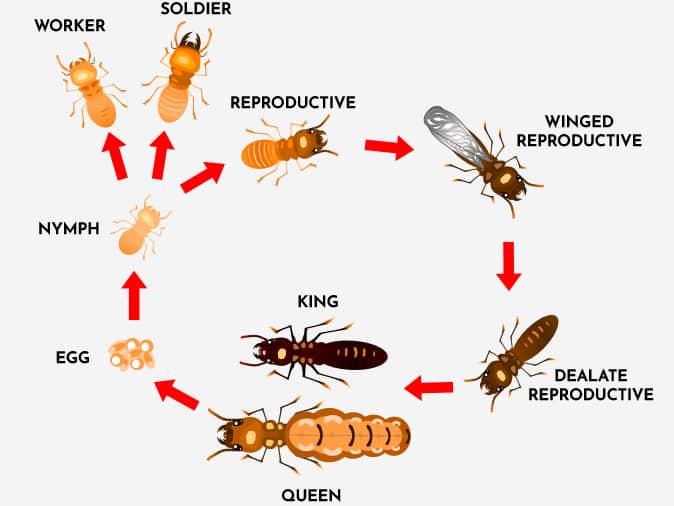
Op here The color and body shape look more similar to the "Dealate Reproductive" stage in this illustration. |
Anonymous
| OP I’m pretty laid back about this sort of thing, but if you’re not sure of the bug idea just run to target. It’s not worth it. |
Anonymous
|
OP I would burn the house down trying to get rid of that stuff are you kidding?
Dump it all and buy new, so not worth it. |
Anonymous
| Could they be some kind of carpet bug? |
Anonymous
|
Set it all on 🔥
Spray the bin with alcohol (70%) |
Anonymous
this! |
Anonymous
They get their color from the blood they suck. When new, they are white/grey. |
Anonymous
OP here. Thanks. Yeah, if they've been in a bin for a year, they haven't had any blood to suck. I'm going to trash it all just to be safe. I'll send him to the camp with just sheets and no mattress pad, because the pad seems like there are more layers for gross things to get imbedded/hide. |
Anonymous
|
Short version:
Long version: |
Anonymous
Bed bugs can live an entire year without any blood or dead skin cells. They do not die of starvation. They only die if exposed to direct heat of something like 150 degrees for an extended amount of time. They don’t just die. |
Anonymous
You’re incorrect. Bedbugs can live a year or longer dormant. |
Anonymous
|
“Bed bugs can go without feeding for 20 to 400 days, depending on temperature and humidity. Older stages of nymphs can survive longer without feeding than younger ones, and adults have survived without food for more than 400 days in the laboratory at low temperatures.”
https://ipm.ucanr.edu/PMG/PESTNOTES/pn7454.html |