
Has anyone replaced the mulch around their house with something else?
![[Post New]](/jforum/templates/default/images/icon_minipost_new.gif)
Anonymous
| DH and I are kind of over mulch - we have bugs and chipmunks and it's a fire hazard. We'd like to replace with some sort of stone - is this even a thing? Has anyone done this? |
Anonymous
| How is mulch a fire hazard? |
Anonymous
|
You don’t need mulch. Bare soil will grow things, though, so you must have something there or you will just be spraying RoundUp all the time (I’m assuming you are not big on weeding).
You can “mulch” with stones or gravel, yes. It will get weedy, but more slowly than bare soil. The most efficient and environmentally friendly way to “mulch” is to grow plants you want densely. Have some shrubs with ground cover. You’ll need to weed rarely once it is established, and no mulch needed. |
Anonymous
| Have you considered "green mulch" (i.e. ground cover)? My stone area is still filled with weeds and they seem harder to pull than in my mulched areas. I avoid weed killer for health reasons. |
Anonymous
| Gray gravel |
Anonymous
|
DCUM has multiple threads every year about this.
Mulch has been oversold by landscaping companies, who are not gardeners at all, but merely yard maintenance businesses looking to maximize your continued expenses. You don't need mulch, or to plant annuals every year, or keep a strict leaf-blowing schedule. A garden can be very cheap and somewhat self-sustaining with advance planning and knowledge. We rake our leaves and pine needles and use those as mulch to cover the earth, but the thing is, we don't have much bare earth to cover, because we have planted groundcover plants and allowed native plants to protect the land. I want as much green as possible, and weeds are not in my vocabulary. My requirements are that my garden be visually harmonious, but not toxic or invasive. I have never mulched with prepared mulch products. I don't spray with toxic herbicides or pesticides. I have a natural lawn and pollinator-friendly plants. My husband grows a veggy garden in the back. |
Anonymous
This is what we did. We planted thyme and clover in different spots. |
Anonymous
|
My house backs up in woods. The yard was serene, swampy, beautiful and buggy when we moved in. Also, all kinds of critters - fox, racoons, possum, coyotes, squirrels, chipmunks, deer, snakes, birds, turtles, rabbits, rats, mice, amphibians, bugs are there - not a problem. The grading of the neighborhood is such that the rain that falls on four homes on our north side and 1 house on the south side - flows through our backyard and then from the sides of our house before draining to the street.
My aim was to - - Have a useable and comfortable yard that kept bugs and critters, mold and dampness away. An outdoor space where I could entertain or chill and felt like an extension of the outdoors, without feeling too eeky or buggy when I stepped outside. I like nature - from a distance. - An environmentally friendly (in spite of the huge patio etc) yard which provided water, food and shelter to pollinators, birds, reptiles (box turtles, ring neck snakes), and butterflies. I wanted my space and I wanted nature to have its space. - Did not have to maintain it very much, but did not want it to look crazy and overgrown. I wanted it to look neat, maintained, beautiful, inviting and yet natural. - I wanted a cemented path (foundation skirting) on all sides, touching the cemented walls of my house, with proper drainage, erosion proofing and sloped away sharply from the house so that the it protected the walls from dampness, critters etc. 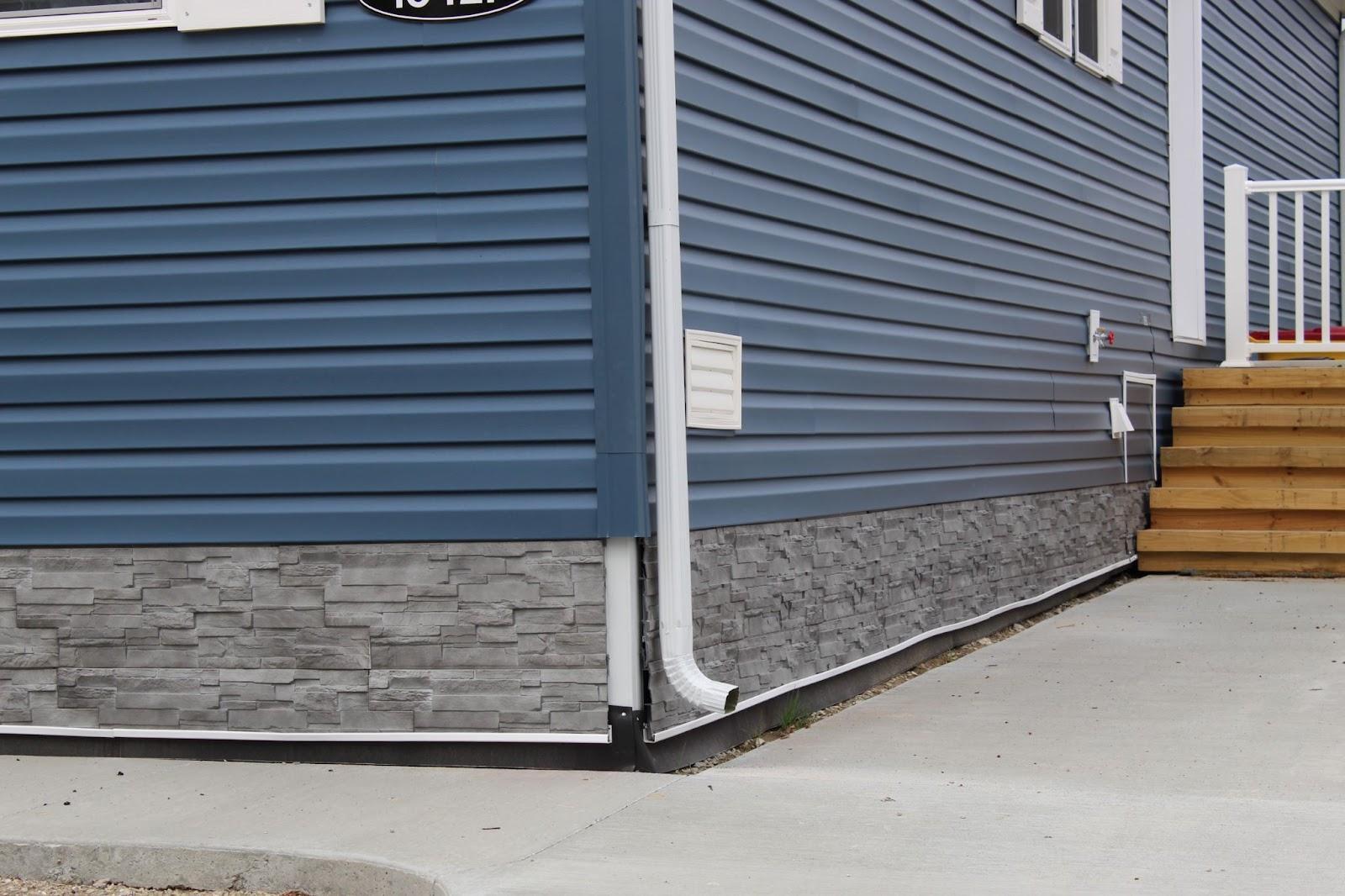
- I have moved away from stones, landscape fabrics, colored mulch. I only use hardwood mulch and leafgro (turtles prefer these to lay eggs in) in my beds, when I need mulch. - Wanted trees that provided beauty, shade, shelter and had flowers for pollinators - but, the roots were not wrecking my house or drainage, nor I had to the fear of tree limbs falling on the house in extreme weather. - Did not want greenery so close to the house that it would become a shelter for stinkbugs, lanternflies, lyme disease ticks, mosquitos and gnats or copperheads. - I wanted my yard to basically become rainscapes that prevented run-offs. As much of the water I could sink into the ground without pools for mosquitoes to lay eggs in was the aim. I dug my beds deep and then with inground drainage pipes, french drains, correcting the grading and landscaping - I made the beds in the sides, into giant sponges that soaked water into the ground. My trees are thriving and my yard is dry and cool. I do not have too much lawn anymore in the sides. I have large graded large mulched beds (deep, sunk beds, with drainage, filled with leafgro and hardwood mulch). Around the two sides of the house I have put four feet wide concrete pathway that is touching the walls and is graded and sloped to flow any water away from the house. This is to prevent termites, bugs, weeds, snakes and rot. The backside is a super humongous patio that is as wide as the house is high and it stretches from end to end. It also slopes away from the house and has 3 feet of concrete layer under the patio touching the backwall. In the sides, far enough from the house, I basically did rainscaping and permaculture. Removed much of the lawn, saw where the rain was collecting and made sure that my deep rainscape beds and a few strategically placed thirsty trees - birch and willow - were soaking up every drop of accumulated rainwater. I have laid pipes and created faux riverbeds on the side. It is beautiful. Near the concrete steps in the front, I have put mesh-wire deep in the soil to deter the chipmunks. In another part of the property, there is space for the chipmunks because they are so darn cute. I have lavender, marigold, asters, rosemary and tomatoes in the south side slopes. Honey suckles on one fence, hostas and ferns in the north side, and beautiful trees (some free from the county through the treemendous program) anchoring the corners. In the front I have some very crisp trimmed boxwoods, blue spruce and red maple that gives it neatness and structure - but then I also have rabbit and pest proof flowers - blue salvia, spanish verbena, creeping thyme, echinacea, miniature black eye susan, bee balm, marigolds. Most of my plants deter pests. One thing I did to create a breezy yet shady garden (instead of a damp swampy buggy backyard) was to raise the canopy of the trees and pruned the trees properly. It not only makes the tree healthier and able to withstand winds and heavy rains - but it also deters bugs, mold etc. Last but not the least. If you have beds that come all the way up to your house (usually in the front), make sure that at least a foot wide area touching the wall does not have mulch. Instead, any low grade pebbles or stones with sand should be put there. It also should slope away from the house. The slits in the wall (Weep Holes) should not be covered with mulch. No mulch should ever be touching your house. Weep - holes. 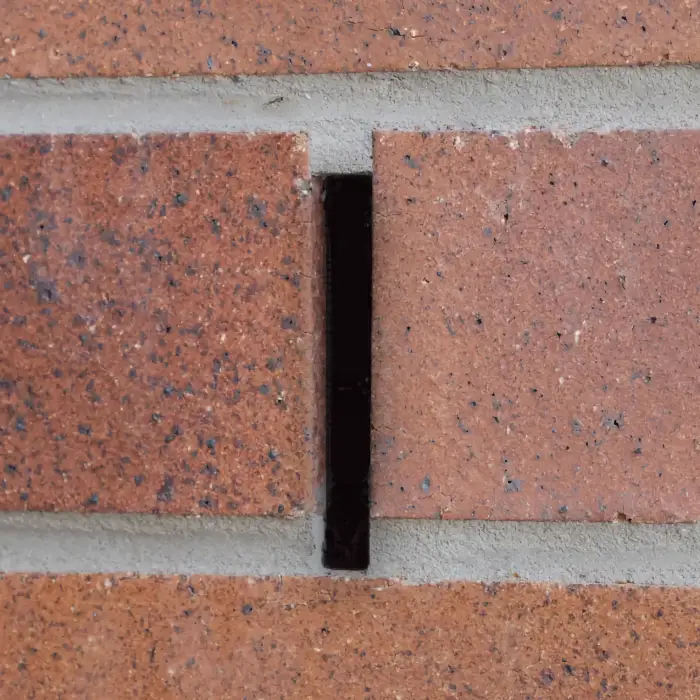
|
Anonymous
| We have rock gardens. |
Anonymous
|
I agree with adding more plants. I add a few more natives to my garden every fall to fill in and replace non-native groundcovers.
Pachysandra is pretty easy to establish and will spread if you are looking for a plant to replace your mulch. It's non-native but easy to remove and make space for other plants as you add it. |
Anonymous
+1 Especially if you plant natives which don't require much work once established and also are most beneficial for the ecosystem. |
Anonymous
 
Wish I could have written this....but I'm working on it! |
Anonymous
This. I think a lot of people believe landscaping must include visible weed-free dirt/mulch spaces between plants. Instead, we need to re-think landscaping and embrace a fuller planting style - preferably with native or mostly native plants - which is ultimately is lower and easier maintenance. Like re-thinking the "lawn," we should re-think the garden beds. |
Anonymous
We’re in the process of replacing lawn (full of weeds) with beds of native plants. We want to keep some lawn between the beds and for the sitting area. What are you using for natural lawn? I’m in DC, zone 7 (or 8 depending on who you ask). Needs to be medium foot traffic. |
Anonymous
Is ANYONE big on weeding, LOL? |