Anonymous
 02/16/2021 14:01
Subject: Re:I’m a Dem here in Texas. Our wind turbines froze.
02/16/2021 14:01
Subject: Re:I’m a Dem here in Texas. Our wind turbines froze.
Anonymous wrote:
Because the frozen wind turbines caused the collapse.]
25% of TX is green energy. This weather event was a test and green energy failed catastrophically

Ah yes, someone read their propaganda in the WSJ today: https://www.wsj.com/articles/a-deep-green-freeze-11613411002?mod=trending_now_opn_1
No mention in that article about El Paso handling it just fine; turbines in Iowa, Canada, Minnesota, or the Artic operating just fine in cold weather; or how traditional energy generation in coal, gas, or nuclear are also shut down.
It's all a big conspiracy cooked up by wind turbines!
Meanwhile, who controlled the state for the last decade while green tech was installed?

Anonymous
02/16/2021 13:59
Subject: I’m a Dem here in Texas. Our wind turbines froze.
Anonymous wrote:What is the explanation for their baseload generation like nuclear not being weatherized? That seems crazy.
My guess is that with nuclear's reliance on ample water to cool the reactors, they have frozen water pipes outside the facility. The pipes probably are not properly insulated for extreme cold and/or don't have heating elements. Pretty ironic.
Anonymous
02/16/2021 13:55
Subject: I’m a Dem here in Texas. Our wind turbines froze.
Anonymous wrote:Anonymous wrote:Anonymous wrote:Anonymous wrote:Anonymous wrote:Anonymous wrote:Anonymous wrote:Anonymous wrote:Anonymous wrote:The wind turbines froze, but so did everything else. Thermal plants actually, at least as of yesterday morning, accounted for more of the missing demand than wind. It's not a renewable issue but an overall infrastructure issue.
This is misleading. Many of the green energy folks in Texas are making this argument. First, as a percentage of available capacity, more renewable energy is offline than thermal. Second, investment in thermal infrastructure has basically dried up in the past 5-6 years as wind and now solar have commanded dollars. Thermal has its real problems, but renewable advocates need to be honest about what is happening here. Intermittent actually means intermittent.
Let's be honest then. The VAST majority of down power plants are fossil fuel ones. Wind isn't a substantial part of winter energy production in Texas. Wind turbines are used in freaking Antartica. The wind turbines in Texas were not weatherized. Texas doesnt keep backup power plants running which means they can't handle demand surges. Had Texas been connected to the national grid then they could have handled the demand surge.
The elecrical grid does need a variety of sources. Redundancies are important. Green power cannot be one hundred percent until battery storage technology is improved. That's all true but has absolutely nothing to do with this manmade catastrophe.
Thermal infrastructure has been underinvested in in Texas for the better part of the past decade while renewable has soaked up dollars. Coal capacity (second best performing in this type of weather behind nuke) has been cut in half. Natural gas power gen has seen minimal investments. Meanwhile, the state’s population has exploded over the past twenty years. Hint, less thermal capacity expected to serve more people is not going to be a recipe for success.
There is no national grid. Please come back when you understand that. We have regional grids and interconnection isn’t as simple as running an extension cord across the Red River. And, not for nothing, the neighboring regional power coordinator is also going through rolling black outs.
I’m not arguing against renewables as part of a generation portfolio. I am arguing for honesty that this isn’t as simple as wishing a green transition occurs and you’re done. There is a reason why power authorities in Massachusetts are arguing that people will need to get used to living without home heating....
The future requires a mix of energy solutions. The “transition” will take decades.
But it’s ridiculous to blame the current catastrophe in Texas on green energy. Nuclear power plants were shut down due to freezing cooling pipes.
The fact of the matter is that (1) the energy infrastructure is not weatherized to handle more extreme weather events (which will become more frequent) and (2) the Texan energy network is not plugged in to nearby regional networks from where they could pull excess energy.
These conditions are the natural result of under-investment and a hesitancy to address climate change.
Texans should get ready for a tax hike. It’s going to be expensive to make your state more resilient to climate change. Alternatively, you can just die during weather events.
Death or taxes - they’re always waiting for you.
Germany tried to go full green. They decommissioned nuke plants. Their manufacturing sector suffered and they’re now burning more coal than ever.
We’ve seen problems in California and Texas and we’re seeing secondary problems in places like MA and NY. But sure, at least partially assigning blame to renewables is unreasonable.
The SPP is currently experiencing rolling blackouts. What excess power would an interconnected Texas be pulling right now?
From the rest of the freaking North America grid.
SPP—the neighboring operator that borders Texas on all sides and is interconnected into the eastern grid—is also experiencing rolling blackouts. If there were simply an interconnect issue then SPP wouldn’t have blackouts right now.
El Paso is connected to the western grid and has hardly any power outages at all.
El Paso isn’t governed by this liberal bastion of a renewable energy commission in TX.
Anonymous
02/16/2021 13:50
Subject: Re:I’m a Dem here in Texas. Our wind turbines froze.
Because the frozen wind turbines caused the collapse.]
25% of TX is green energy. This weather event was a test and green energy failed catastrophically
Anonymous
02/16/2021 13:50
Subject: I’m a Dem here in Texas. Our wind turbines froze.
I’m sorry! We get electrical outages too and have electric heat. I’ve done some things to cope over the years from candles and hot water bottles to a generator and propane fireplace. Always have extra resources on hand. Gas. Water. Food. Propane.
Anonymous
02/16/2021 13:50
Subject: I’m a Dem here in Texas. Our wind turbines froze.
What is the explanation for their baseload generation like nuclear not being weatherized? That seems crazy.
Anonymous
02/16/2021 13:48
Subject: I’m a Dem here in Texas. Our wind turbines froze.
Anonymous wrote:Anonymous wrote:Anonymous wrote:Frozen wind turbines are not even close to your biggest problem. Most of the power plants offline are gas powered, but they don’t have as to run.
Good luck to you!
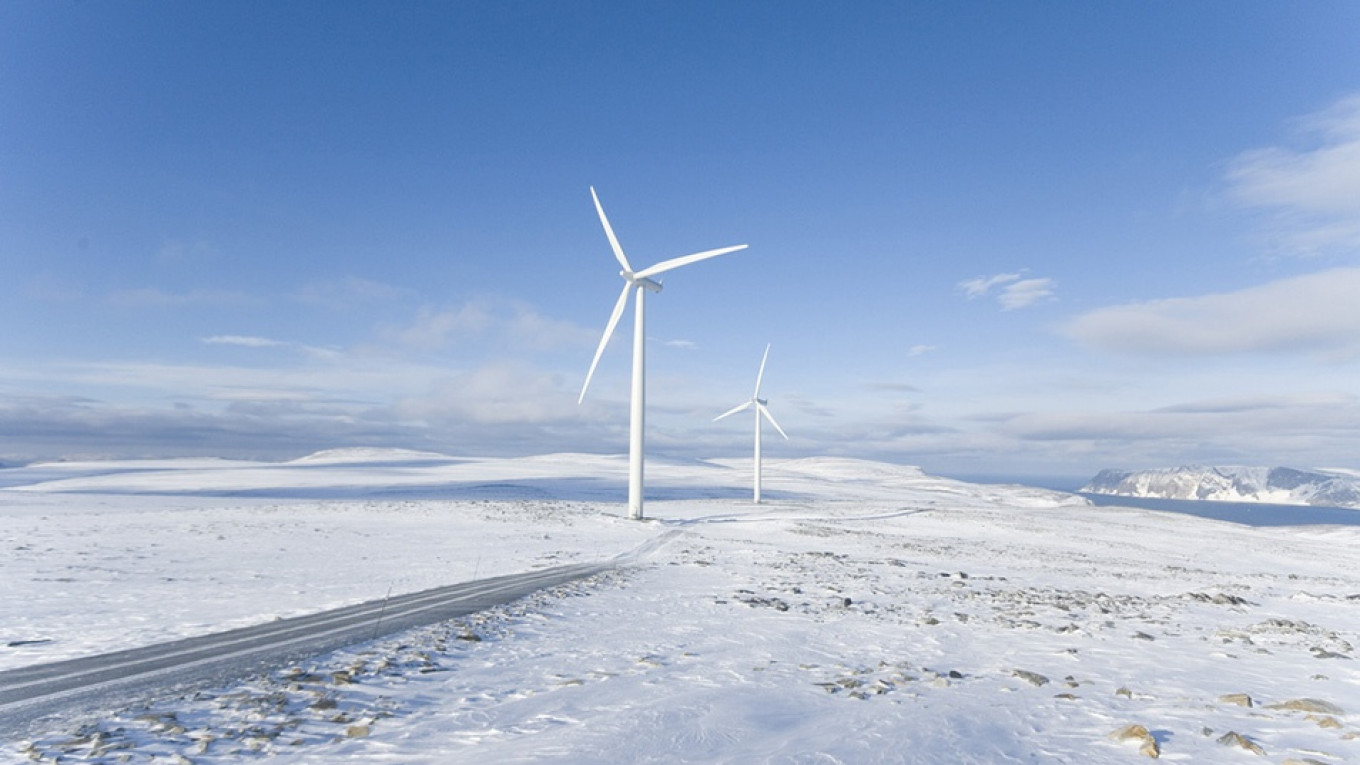
Wind Farm in Norway:

Wind Turbines North of the Arctic Circle. They operate up to 58 below zero F.
The main issue is that the Texan turbines are not weatherized to handle the extreme cold. They probably do not have heating elements to melt ice/snow on the blades. They probably don't have the de-icing infrastructure. All of this is a result of lack of planning for climate change and the willingness to pro-actively invest in infrastructure. Texas will face more polar vortices in the future with increasing regularity.
Still, the biggest losses in power generation right now are due to thermal plants being taken offline - coal, nuclear, gas - from the extreme cold weather.
Same is true of gas turbines. If you don't design them for cold, the air intakes ice over. Also natural gas regulators can freeze if liquid gets inside.
Anonymous
02/16/2021 13:47
Subject: I’m a Dem here in Texas. Our wind turbines froze.
Anonymous wrote:Anonymous wrote:Anonymous wrote:Frozen wind turbines are not even close to your biggest problem. Most of the power plants offline are gas powered, but they don’t have as to run.
Good luck to you!
Wind Farm in Norway:
Wind Turbines North of the Arctic Circle. They operate up to 58 below zero F.
The main issue is that the Texan turbines are not weatherized to handle the extreme cold. They probably do not have heating elements to melt ice/snow on the blades. They probably don't have the de-icing infrastructure. All of this is a result of lack of planning for climate change and the willingness to pro-actively invest in infrastructure. Texas will face more polar vortices in the future with increasing regularity.
Still, the biggest losses in power generation right now are due to thermal plants being taken offline - coal, nuclear, gas - from the extreme cold weather.
And they arent weatherized because Texas pennypinched. It's $5000 a turbine for the heating element. $5000 on a million plus piece of equipment.
Anonymous
02/16/2021 13:26
Subject: I’m a Dem here in Texas. Our wind turbines froze.
Anonymous wrote:Anonymous wrote:Frozen wind turbines are not even close to your biggest problem. Most of the power plants offline are gas powered, but they don’t have as to run.
Good luck to you!
Wind Farm in Norway:
Wind Turbines North of the Arctic Circle. They operate up to 58 below zero F.
The main issue is that the Texan turbines are not weatherized to handle the extreme cold. They probably do not have heating elements to melt ice/snow on the blades. They probably don't have the de-icing infrastructure. All of this is a result of lack of planning for climate change and the willingness to pro-actively invest in infrastructure. Texas will face more polar vortices in the future with increasing regularity.
Still, the biggest losses in power generation right now are due to thermal plants being taken offline - coal, nuclear, gas - from the extreme cold weather.
Anonymous
02/16/2021 13:26
Subject: I’m a Dem here in Texas. Our wind turbines froze.
Anonymous wrote:The wind turbines froze, but so did everything else. Thermal plants actually, at least as of yesterday morning, accounted for more of the missing demand than wind. It's not a renewable issue but an overall infrastructure issue.
+1 - the wind turbine thing is a right-wing talking point.
This is a very freak storm happening in an area that is simply not set up for it. Add in the fact that it's still ongoing and you have a very bad situation. Normally temperatures would rise back to normal levels the next day or so. And the low temps are unprecedented. Some dude was ice skating on the duck pond in my hometown. It has never been cold enough to do that in the last 50 years.
Anonymous
02/16/2021 13:23
Subject: I’m a Dem here in Texas. Our wind turbines froze.
Anonymous wrote:Anonymous wrote:Frozen wind turbines are not even close to your biggest problem. Most of the power plants offline are gas powered, but they don’t have as to run.
Good luck to you!
Wind Farm in Norway:
Wind Turbines North of the Arctic Circle. They operate up to 58 below zero F.
Anonymous
02/16/2021 13:22
Subject: I’m a Dem here in Texas. Our wind turbines froze.
Anonymous wrote:Frozen wind turbines are not even close to your biggest problem. Most of the power plants offline are gas powered, but they don’t have as to run.
Good luck to you!
Wind Farm in Norway:
Wind Turbines North of the Arctic Circle. They operate up to 58 below zero F.
Anonymous
02/16/2021 13:18
Subject: I’m a Dem here in Texas. Our wind turbines froze.
Frozen wind turbines are not even close to your biggest problem. Most of the power plants offline are gas powered, but they don’t have as to run.
Good luck to you!
Good luck to you!
Anonymous
02/16/2021 13:11
Subject: I’m a Dem here in Texas. Our wind turbines froze.
Anonymous wrote:Anonymous wrote:Anonymous wrote:There are wind turbines throughout the midwest in Iowa and Indiana, Ohio..... and those don't freeze. Why did the ones in Texas freeze?Anonymous wrote:I’m not sure what to think. My husband works 25 miles away so he packed up a weeks worth of food and clothes. Please do not make a joke of this. The GOP idiots have not kept up our infrastructure. We can handle 100 degrees but not zero. This is scary. I’m worried about power and I have four greyhounds here.
I am curious as to why you did not mention the coal and gas fired plants that also froze?
I haven’t checked the data but someone I trust told me this weather system is a 3.9 sigma event for Texas. I’d be surprised is windmills in the north are resilient to an equine Lang event, but perhaps they are.
narrator: they are
Somehow, turbines in the upper midwest and on ridges in PA and MD that routinely experience sub-zero temperatures, don't have these issues. Science and all.
Link?
In the 2019 polar vortex windmills throughout the Midwest and the Prairie states shut down due to extreme cold and actually became a net drag on the system as turbines needed electricity for heating to avoid damage to the turbines.
I don’t have time to look at the data, but I know that even weatherized wind turbines don’t operate below -20. Please provide a link that shows turbines in the Midwest and Prairie States still operate during a 3.9 sigma weather event.