Anonymous
 02/28/2025 22:25
Subject: It's official: Gen Z are not delaying marriage til 30s anymore, young weddings are cool again
02/28/2025 22:25
Subject: It's official: Gen Z are not delaying marriage til 30s anymore, young weddings are cool again
Anonymous wrote:The millennial Fox News gal just announced she has cancer at 36. This is why young people need to have kids in their 20s. Everyone is going to get cancer. Life is fragile. Don’t waste it dating around and being handcuffed to your job.
???
You seem strongly triggered by this whole thing. Are you having a stroke or something?
Everyone doesn't get cancer and those who do are usually older ( with real stats to back that up.) Not 36.

Anonymous
02/28/2025 22:24
Subject: It's official: Gen Z are not delaying marriage til 30s anymore, young weddings are cool again
Anonymous wrote:The millennial Fox News gal just announced she has cancer at 36. This is why young people need to have kids in their 20s. Everyone is going to get cancer. Life is fragile. Don’t waste it dating around and being handcuffed to your job.
But the Gen X Fox News anchors also had children older. Megyn Kelly got married at 38 and had her first son at 39. Ainsley Earhardt got married at 37 and had her daughter at 40. It's not a new trend to millennials to get married older.
Anonymous
02/28/2025 22:14
Subject: It's official: Gen Z are not delaying marriage til 30s anymore, young weddings are cool again
Anonymous wrote:The millennial Fox News gal just announced she has cancer at 36. This is why young people need to have kids in their 20s. Everyone is going to get cancer. Life is fragile. Don’t waste it dating around and being handcuffed to your job.
*Marry and have kids in their 20s
Anonymous
02/28/2025 22:13
Subject: It's official: Gen Z are not delaying marriage til 30s anymore, young weddings are cool again
The millennial Fox News gal just announced she has cancer at 36. This is why young people need to have kids in their 20s. Everyone is going to get cancer. Life is fragile. Don’t waste it dating around and being handcuffed to your job.
Anonymous
02/28/2025 22:07
Subject: It's official: Gen Z are not delaying marriage til 30s anymore, young weddings are cool again
Obviously you shouldn't rush into anything unless you are ready but have your biological facts straight to understand realities of life and prioritize what's more important to YOU. Not as Gen Z or Gen X but as an individual.
Anonymous
02/28/2025 22:04
Subject: It's official: Gen Z are not delaying marriage til 30s anymore, young weddings are cool again
Anonymous
02/28/2025 22:01
Subject: It's official: Gen Z are not delaying marriage til 30s anymore, young weddings are cool again
Not just ovarian aging, brain aging as well. though humans age dramatically in two bursts – at 44 and 60, changes begin at 30.
"Then, in our 30s and 40s, the brain starts to shrink(link is external and opens in a new window), with the shrinkage rate increasing even more by age 60."
https://www.publichealth.columbia.edu/news/changes-occur-aging-brain-what-happens-when-we-get-older#:~:text=Then%2C%20in%20our%2030s%20and,even%20more%20by%20age%2060.
"Then, in our 30s and 40s, the brain starts to shrink(link is external and opens in a new window), with the shrinkage rate increasing even more by age 60."
https://www.publichealth.columbia.edu/news/changes-occur-aging-brain-what-happens-when-we-get-older#:~:text=Then%2C%20in%20our%2030s%20and,even%20more%20by%20age%2060.
Anonymous
02/28/2025 21:50
Subject: It's official: Gen Z are not delaying marriage til 30s anymore, young weddings are cool again
Anonymous wrote:Anonymous wrote:Personally, I feel like every individual's path is different so they should decide accordingly but I'm also against ultra conservatives pushing marriage before 20 or ultra liberals after 30.
So you think someone marrying at 18 is just as bad an idea as someone marrying at 31? How odd.
I think adults should be free to make up their minds, society doesn't need to push them to rush or delay for conformity.
Anonymous
02/28/2025 21:05
Subject: It's official: Gen Z are not delaying marriage til 30s anymore, young weddings are cool again
Anonymous wrote:Anonymous wrote:This is such an odd thread.
People should marry the right partner when they feel it is the right time. I don't think marrying at 18 is a good idea, nor do I think delaying it until 40 because of prolonged adolescence.
I don't see much difference between marrying at 26 vs 36, save for a little bit of a decline in fertility.
By little you mean basically all of it and in many cases literally all of it? But sure, tomayto, tomahto. Not to mention how bleak the dating pool is in your mid 30s, how both men's and women's looks crash in their 30s (God's signal you're losing or have lost your fertility), you missed out ten years of building equity in a home together, and that's ten years on the back end of your life together where you'll miss kids and grandkids growing up.
Nope, that's actually not what I mean! It sounds like you don't have a background in women's health but you're very lucky tonight because a) I do have a background in women's health and b) my boyfriend is traveling so I'm enjoying a quiet night in. Happy to explain it to you, since it sounds like you're interested but can't quite grasp the concept.
I think you're mixing up "maximum fertility" with "likelihood of conception." It's true, percentage of maximum fertility does indeed decrease dramatically from 20-45, with the biggest drop off at 30. That's where the myth that your eggs dry up at 30 stems from.
Now, the information you want is "likelihood of conception". That just means how likely a woman is to conceive within 12 months while actively trying as opposed to just unprotected intercourse.
For a 20-24 year old, that likelihood is 86%. For a 35-39 year old it is 52%. So, no "literally all of [a woman's fertility]" is not gone at 36. No one is denying that there is a drop-off in fertility but suggesting that it's "literally" all gone is factually incorrect. Your understanding of statistics is very different from mine if you think a 52% likelihood of something happening within a year means that it will not happen at all.
I got this information from the medical journal Family Planning Perspectives - I hope this helps!
Anonymous
02/28/2025 20:58
Subject: It's official: Gen Z are not delaying marriage til 30s anymore, young weddings are cool again
Anonymous wrote:Anonymous wrote:Anonymous wrote:Gen Zs aren’t even 30 yet, this seems like putting the cart before the horse. There have always been people who got married at 16-23. Just because it happens doesn’t mean it’s the norm.
If you have a Gen Z daughter or niece ask her what her and her friends think of Sex and the City. They will say the women look super old and it’s so sad and gross they’re all single, partying, and hooking up with randoms. Most Gen Z girlies want to be married with a house by 25. That is a real pivot from what Gen X and Y trends.
Was this ever aspirational, though? I was in college during SATC’s heyday and while my friends and I loved the show and were entertaining by it, none of us actually wanted that kind of life for ourselves. We all married between 24-28, most of us have grad degrees and careers in addition to happy marriages with kids.
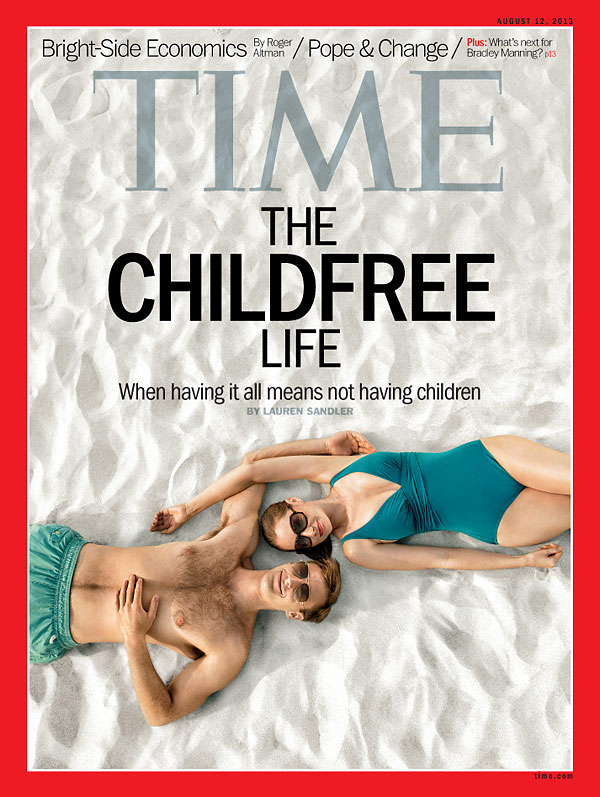
Delaying marriage, birth control, delaying kids, abortion, promiscuity and hookup culture, undergrad + advanced degrees (fertility prime in academia), being an independent woman, being a girl boss, child free DINK lifestyle, career and office being your "family" has been the corporate and pop culture propaganda pushed on western men and women for the last 35 years. Theme of most prestige TV shows, movies, music, magazines, and social media. Really kicked into gear in the early 90s, ex. "Murphy Brown" in 1992 became a middle aged girl boss single mom.
Anonymous
02/28/2025 20:52
Subject: It's official: Gen Z are not delaying marriage til 30s anymore, young weddings are cool again
Anonymous wrote:After 58 pages, are there actual statistics on this uptick?
Honest q
Or is this strictly an anecdotal phenomenon of rich Mormons and rich Catholics and some south Asians?
The stats are actually showing the opposite, but OP saw some Tik Toks and ine actress got married young, so clearly that's all of Gen Z.
Anonymous
02/28/2025 20:42
Subject: It's official: Gen Z are not delaying marriage til 30s anymore, young weddings are cool again
Anonymous wrote:This is such an odd thread.
People should marry the right partner when they feel it is the right time. I don't think marrying at 18 is a good idea, nor do I think delaying it until 40 because of prolonged adolescence.
I don't see much difference between marrying at 26 vs 36, save for a little bit of a decline in fertility.
By little you mean basically all of it and in many cases literally all of it? But sure, tomayto, tomahto. Not to mention how bleak the dating pool is in your mid 30s, how both men's and women's looks crash in their 30s (God's signal you're losing or have lost your fertility), you missed out ten years of building equity in a home together, and that's ten years on the back end of your life together where you'll miss kids and grandkids growing up.
Anonymous
02/28/2025 20:03
Subject: It's official: Gen Z are not delaying marriage til 30s anymore, young weddings are cool again
Anonymous wrote:Personally, I feel like every individual's path is different so they should decide accordingly but I'm also against ultra conservatives pushing marriage before 20 or ultra liberals after 30.
I didn't realize it was ultra liberal to get married after 30 lol.
So you think someone marrying at 18 is just as bad an idea as someone marrying at 31? How odd.
I guess I'm ultra liberal for being unmarried at 30. Better let my 35 year old boyfriend know. He might be surprised considering he skews conservative and is from the midwest, but it's better he finds out now that he's been caught up in "woke" culture.
Anonymous
02/28/2025 19:58
Subject: It's official: Gen Z are not delaying marriage til 30s anymore, young weddings are cool again
This is such an odd thread.
People should marry the right partner when they feel it is the right time. I don't think marrying at 18 is a good idea, nor do I think delaying it until 40 because of prolonged adolescence.
I don't see much difference between marrying at 26 vs 36, save for a little bit of a decline in fertility.
People should marry the right partner when they feel it is the right time. I don't think marrying at 18 is a good idea, nor do I think delaying it until 40 because of prolonged adolescence.
I don't see much difference between marrying at 26 vs 36, save for a little bit of a decline in fertility.
Anonymous
02/28/2025 19:28
Subject: It's official: Gen Z are not delaying marriage til 30s anymore, young weddings are cool again
Anonymous wrote:Anonymous wrote:Anonymous wrote:Gen Zs aren’t even 30 yet, this seems like putting the cart before the horse. There have always been people who got married at 16-23. Just because it happens doesn’t mean it’s the norm.
If you have a Gen Z daughter or niece ask her what her and her friends think of Sex and the City. They will say the women look super old and it’s so sad and gross they’re all single, partying, and hooking up with randoms. Most Gen Z girlies want to be married with a house by 25. That is a real pivot from what Gen X and Y trends.
Honestly, your Gen Z daughters and nieces won’t have a choice. They’ll be assigned to some Russian dude (or dudes) after we merge with Russia. Not much for this generation to look forward to.
Hyperbole?