Anonymous
 09/13/2014 21:54
Subject: First name for a girl "Tristan"? Also middle name suggestions?
09/13/2014 21:54
Subject: First name for a girl "Tristan"? Also middle name suggestions?
This thread is 9 months old. Baby's been born and named already, y'all.
That said, the only Tristan I know in person is a girl.
That said, the only Tristan I know in person is a girl.

Anonymous
09/13/2014 21:33
Subject: First name for a girl "Tristan"? Also middle name suggestions?
Anonymous wrote:I'm not pretending that history and social consensus don't exist or impart meaning. However t I think most of the posters who say "it's a boy's name" seem to be implying that it's unacceptable to use it for a girl and that we should all just go along with whatever "social consensus" suggests. There's lots of things that are okay according to "social consensus" that are not values I support or want to convey to my children. So while I agree that certain names may traditionally or historically be associated with one sex or the other, I don't understand what's so bad about going against that and using whatever name you like, even if it's traditionally used for the other sex.
Anonymous wrote:Not the PP, but it obviously means that MOST people perceive this name as a male name. In the case of Tristan, there is also a very long literary tradition in which this name is exclusively given to male figures. In this country (some European countries wouldn't allow it), you may choose to ignore these circumstances and use this name for a girl (in which case it will become a girl's name for you and maybe your friends), but that doesn't change the fact that it is traditionally a male name, and that most people still perceive it as such. Don't think you are particularly smart or free-thinking for pretending that history and social consensus don't exist or impart meaning. ALL meaning of anything cultural is history and social consensus.
Anonymous wrote:What does that even mean? If someone names their daughter Tristan, then it's obviously not "a boys name". Why should anyone have the right to decide which names are for girls and which for boys? I don't get you people.
Anonymous wrote:It's a boys name.
So, are you all lining up to give your boys traditional girl names?
Anonymous
09/13/2014 21:28
Subject: First name for a girl "Tristan"? Also middle name suggestions?
NP. Before I decide to purposefully "go against convention" I weigh whether the convention I will be ignoring is something I'm ignoring because it conflicts with my values, or whether I just don't like it. If I simply just don't like the convention, I then consider whether fighting it would cause more problems and/or pain than going along with the typical way of things. I see no conflict with my values if I choose to use something that society deems a feminine name for my daughter and something that society deems a masculine name for my son. However I do think that giving my daughter a name which is strongly identified as solely a masculine name (or vice versa for a son and a feminine name) is unfair because it is likely to cause her annoyances or problems in the future. Fighting social convention simply for the sake of social convention is not worth it to me if my choice is also a permanent one that I am making on behalf of someone else, and the other person will be the only one dealing with any potential negative consequences of said choice.
Anonymous wrote:I'm not pretending that history and social consensus don't exist or impart meaning. However t I think most of the posters who say "it's a boy's name" seem to be implying that it's unacceptable to use it for a girl and that we should all just go along with whatever "social consensus" suggests. There's lots of things that are okay according to "social consensus" that are not values I support or want to convey to my children. So while I agree that certain names may traditionally or historically be associated with one sex or the other, I don't understand what's so bad about going against that and using whatever name you like, even if it's traditionally used for the other sex.
Anonymous wrote:Not the PP, but it obviously means that MOST people perceive this name as a male name. In the case of Tristan, there is also a very long literary tradition in which this name is exclusively given to male figures. In this country (some European countries wouldn't allow it), you may choose to ignore these circumstances and use this name for a girl (in which case it will become a girl's name for you and maybe your friends), but that doesn't change the fact that it is traditionally a male name, and that most people still perceive it as such. Don't think you are particularly smart or free-thinking for pretending that history and social consensus don't exist or impart meaning. ALL meaning of anything cultural is history and social consensus.
Anonymous wrote:What does that even mean? If someone names their daughter Tristan, then it's obviously not "a boys name". Why should anyone have the right to decide which names are for girls and which for boys? I don't get you people.
Anonymous wrote:It's a boys name.
Anonymous
09/13/2014 21:25
Subject: First name for a girl "Tristan"? Also middle name suggestions?
You can, but why?
Anonymous
09/13/2014 21:12
Subject: Re:First name for a girl "Tristan"? Also middle name suggestions?
Anonymous wrote:I have never said this, but I think one person has to be posting these boy-names-for-girl-names for his/her own odd entertainment.
If that isn't the case, I am sorry. Name your daughter Tristan Wayne Lastname.
But then she will be a serial killer or rapist

Anonymous
09/13/2014 21:04
Subject: Re:First name for a girl "Tristan"? Also middle name suggestions?
I've made it through life just fine, and I'm a girl, and my name is Tristan. Most people don't even think twice when they hear my name and most actually think its a girl name. I wouldn't care what other people think about what you want to name your child... well... aside from naming them after an obscure object like an apple or blue iris or something. My middle name is Nicole so it evens out my first name. I will be carrying on the tradition with my children if I have girls and give them a somewhat boyish name with a super girly middle name.
Anonymous
12/20/2013 10:19
Subject: First name for a girl "Tristan"? Also middle name suggestions?
Anonymous wrote:I'm not pretending that history and social consensus don't exist or impart meaning. However t I think most of the posters who say "it's a boy's name" seem to be implying that it's unacceptable to use it for a girl and that we should all just go along with whatever "social consensus" suggests. There's lots of things that are okay according to "social consensus" that are not values I support or want to convey to my children. So while I agree that certain names may traditionally or historically be associated with one sex or the other, I don't understand what's so bad about going against that and using whatever name you like, even if it's traditionally used for the other sex.
Anonymous wrote:Not the PP, but it obviously means that MOST people perceive this name as a male name. In the case of Tristan, there is also a very long literary tradition in which this name is exclusively given to male figures. In this country (some European countries wouldn't allow it), you may choose to ignore these circumstances and use this name for a girl (in which case it will become a girl's name for you and maybe your friends), but that doesn't change the fact that it is traditionally a male name, and that most people still perceive it as such. Don't think you are particularly smart or free-thinking for pretending that history and social consensus don't exist or impart meaning. ALL meaning of anything cultural is history and social consensus.
Anonymous wrote:What does that even mean? If someone names their daughter Tristan, then it's obviously not "a boys name". Why should anyone have the right to decide which names are for girls and which for boys? I don't get you people.
Anonymous wrote:It's a boys name.
Then go ahead an name your son Jennifer Elizabeth, since you think that going against social convention in naming is fine. Ask him in 20 years how that worked out for him.
What a complete nitwit.
Anonymous
12/18/2013 20:35
Subject: Re:First name for a girl "Tristan"? Also middle name suggestions?
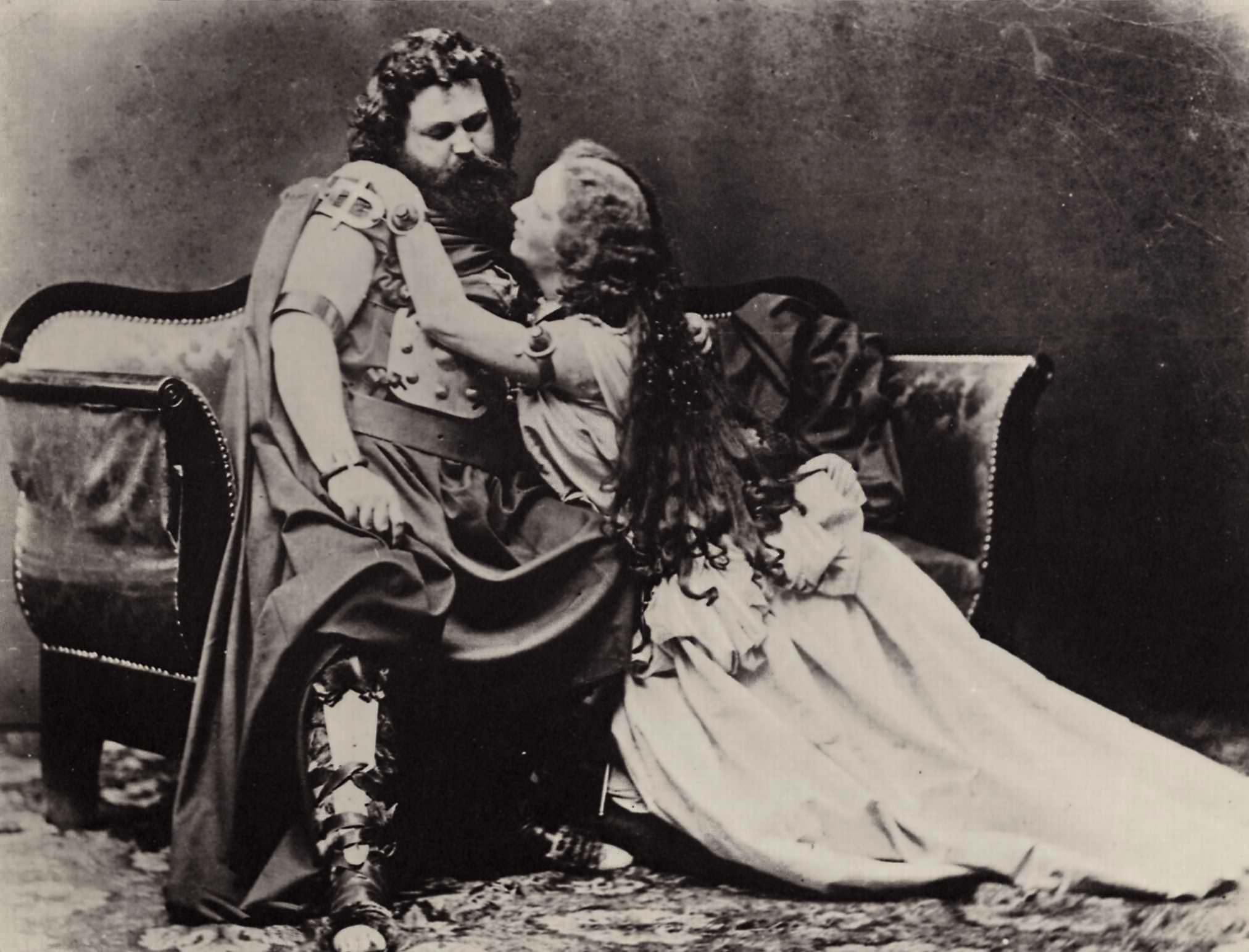
http://en.wikipedia.org/wiki/Tristan_und_Isolde
Just name her Isolde. And maybe some day she'll marry a Tristan.