Anonymous
 08/04/2025 20:15
Subject: Re:Is it certain immediate death to move a house centipede outdoors?
08/04/2025 20:15
Subject: Re:Is it certain immediate death to move a house centipede outdoors?
I can’t imagine carrying a bug from upstairs and releasing it into my basement intentionally! You are nuts!🥜 🌰Anonymous wrote:I have toddlers.
Know what kills toddlers? - Black widow spiders. House centipedes eat Black widows.
Our other venomous spider in the DMG is the Brown Recluse: its venom is necrotizing ( do not google !).
Yep: centipedes eat those too.
In fact: they also eat termites. And cockroaches (ew!). And bedbugs (not that we ever had these). In fact, we have never had any bugs (except ants. Centipedes don’t eat those sadly).
The centipedes can stay. They get moved to the garage or basement if they present a nuisance.

Anonymous
08/04/2025 20:07
Subject: Is it certain immediate death to move a house centipede outdoors?
Anonymous wrote:A centipede crawled inside my ear when I was sleeping and I was in the most excruciating pain. I poured olive oil in my ear and drowned it (while screaming in pain). Next day, my SIL used an ear syringe to flush the bug out.
OP, you did good. The weather is perfect for the bug to thrive outside.
Did you video that? Would be worth something as that would be very unusual. Must have been a tiny one also, ear canal is not very deep.
Anonymous
08/04/2025 20:03
Subject: Is it certain immediate death to move a house centipede outdoors?
A centipede crawled inside my ear when I was sleeping and I was in the most excruciating pain. I poured olive oil in my ear and drowned it (while screaming in pain). Next day, my SIL used an ear syringe to flush the bug out.
OP, you did good. The weather is perfect for the bug to thrive outside.
OP, you did good. The weather is perfect for the bug to thrive outside.
Anonymous
08/04/2025 20:00
Subject: Is it certain immediate death to move a house centipede outdoors?
Anonymous wrote:I don’t usually kill house bugs tbh, usually just move them outside, unless mosquito etc. Don’t get many bugs.
Approaching midnight tonight I found a centipede in the sink, and I slipped him into a big yogurt container and dropped him outside. He scurried off to the sounds of crickets etc.
Presumably this large centipede had lived his whole prior life inside my house, and he may be in for something of a shock out there. Is he going to get eaten immediately?
I’m sort of wondering if I should have just moved him to the basement. At lease he’s free now and will have an adventure?
Realize I’m worrying too much about a bug but, you know, we all just have our “one wild and precious life” etc (thank you, Mary Oliver).
Tell me, what else should I have done?
Read up on them and their habitats and lifestyles. I'd assume if there is some leaf or mulch and a humid area under some shrubs by the house it might do ok.
Life is extremely dangerous and brutal for most living things. Humans usually never think about how easy we have it.
Anonymous
08/04/2025 19:58
Subject: Is it certain immediate death to move a house centipede outdoors?
I now buy live cockroaches and sprinkle them around the basement crevices to urge the proliferation of these amazingly helpful centipedes.
Anonymous
08/04/2025 19:24
Subject: Is it certain immediate death to move a house centipede outdoors?
Girl. I threw a mouse down the trash chute last week. You are way overthinking this.
Anonymous
08/04/2025 19:23
Subject: Is it certain immediate death to move a house centipede outdoors?
Anonymous wrote:We have an agreement. They stay in the basement and maybe the ground floor and I won’t them down. But if they show themselves on the second floor, they are fair game.
BTW, you can’t just leave them in the kitchen sink. They can’t get out. You have to relocate or squash them.
RIGHT! This is OP and I couldn't just leave him in there. So I moved him outside and then immediately had some regret because can you IMAGINE being a bug that lived their whole life without other predators inside a house and then you go out into the dark night etc? Next time am sending to basement ha.
Anonymous
08/04/2025 15:58
Subject: Is it certain immediate death to move a house centipede outdoors?
Never saw a live or dead cockroach in our DC nor Bethesda house or yard.
Or a centipede. Just in the tub as it came out of drain. No food in there
Or a centipede. Just in the tub as it came out of drain. No food in there
Anonymous
08/04/2025 15:58
Subject: Is it certain immediate death to move a house centipede outdoors?
We have an agreement. They stay in the basement and maybe the ground floor and I won’t them down. But if they show themselves on the second floor, they are fair game.
BTW, you can’t just leave them in the kitchen sink. They can’t get out. You have to relocate or squash them.
BTW, you can’t just leave them in the kitchen sink. They can’t get out. You have to relocate or squash them.
Anonymous
08/04/2025 15:46
Subject: Is it certain immediate death to move a house centipede outdoors?
Anonymous wrote:Get a grip everyone.
Most homes do not have roaches inside them nor black widows.
Spiders are common by freshwater lakes or rainy places (England) where there is a large ongoing supply of insects.
My house does not have undesirable insects BECAUSE we leave the house centipedes alone to to their job; same as we put up a bat house in the tree and enjoy fewer mosquitoes.
Or, you could also just spray all kinds of poisons all over the places your children live. That works too.
Anonymous
08/04/2025 15:24
Subject: Re:Is it certain immediate death to move a house centipede outdoors?
Anonymous wrote:Anonymous wrote:Anonymous wrote:Not gross! BENEFICIAL.
Hey bub, mind if I crash here and eat your roaches before they despoil your nice clean house?
Thanks for this. I was hungry, but now my appetite is gone.
No need for ozempic when there are disgusting close-up pictures of insects and their horrific legs.
It’s kind of cute. I marvel at the complexity and survivorship of nature. I’m a kill nothing tree hugger.
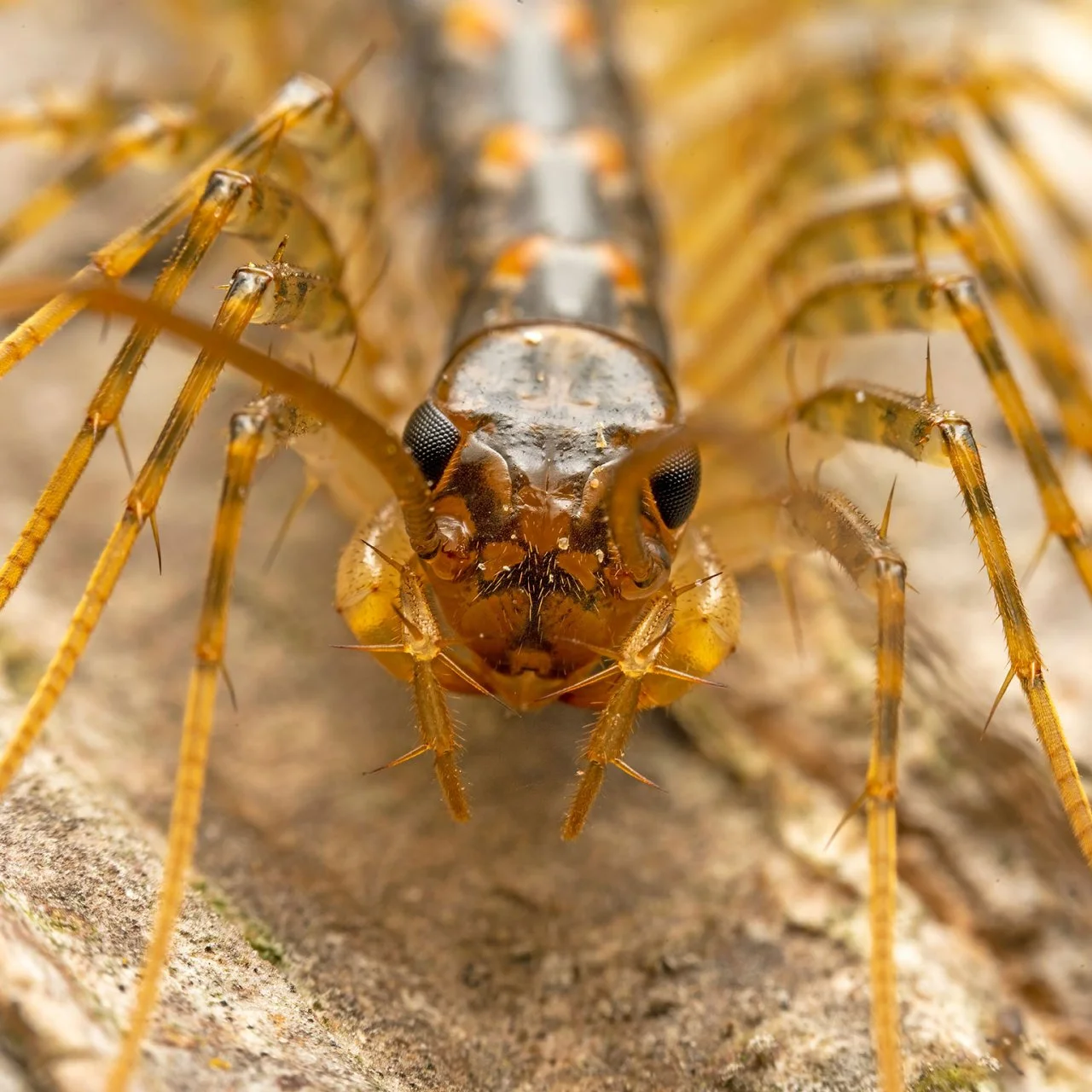
I'm OP and I'm kind of the same. Live and let live as long as you won't eat my children lol!
Anonymous
08/04/2025 11:36
Subject: Re:Is it certain immediate death to move a house centipede outdoors?
Anonymous wrote:Anonymous wrote:Not gross! BENEFICIAL.
Hey bub, mind if I crash here and eat your roaches before they despoil your nice clean house?
Thanks for this. I was hungry, but now my appetite is gone.
No need for ozempic when there are disgusting close-up pictures of insects and their horrific legs.
It’s kind of cute. I marvel at the complexity and survivorship of nature. I’m a kill nothing tree hugger.
Anonymous
08/04/2025 11:24
Subject: Is it certain immediate death to move a house centipede outdoors?
Anonymous wrote:Anonymous wrote:Anonymous wrote:Anonymous wrote:Anonymous wrote:I doubt he lived his whole life in your house unless you have a big infestation.
Putting him out at night was helpful. More cover from birds and he can explore without getting dried out.
From wiki:
"Unlike its shorter-legged but larger tropical cousins, S. coleoptrata can live its entire life inside a building, usually on the ground levels of homes. While many homeowners may be unsettled by house centipedes due to their speed and appearance, they pose little to no threat towards humans, and are often beneficial as they catch other, more harmful pests, such as cockroaches."
The operative word here is "CAN" (live its entire life inside).
They come from somewhere first. They don't spontaneously generate/spawn into a house like a Minecraft animal. Therefore they have to.be capable of surviving outside before they get inside.
They don’t come from other house centipedes doing the deed in your house?
How did the first house centipedes get inside?
Like other insects that live in homes they could have gotten carried in in belongings.
Anonymous
08/04/2025 08:58
Subject: Is it certain immediate death to move a house centipede outdoors?
Anonymous wrote:Anonymous wrote:Anonymous wrote:Anonymous wrote:I doubt he lived his whole life in your house unless you have a big infestation.
Putting him out at night was helpful. More cover from birds and he can explore without getting dried out.
From wiki:
"Unlike its shorter-legged but larger tropical cousins, S. coleoptrata can live its entire life inside a building, usually on the ground levels of homes. While many homeowners may be unsettled by house centipedes due to their speed and appearance, they pose little to no threat towards humans, and are often beneficial as they catch other, more harmful pests, such as cockroaches."
Also, they live up to 7 years! Crazy.
Didn’t know that. I figured it had a short life cycle.
At least it wasn’t a huge Hawaiian centipede Op! Those bite and are disgusting in your house, under brush and leaves, and send off an odor when dead to attract more!
Those can really hurt you or an animal. They’re as big and thick as a bratwurst w fast legs and pinchers!
Anonymous
08/04/2025 08:56
Subject: Is it certain immediate death to move a house centipede outdoors?
Anonymous wrote:I woke up once years ago with a house centipede crawling on my cheek. I kill them all after that.
Spider bites leave big welts for days too. Usually bite you whilst your sleep.
We always had those smelly yellow spider repellent strips at our lake cottage.