Anonymous
 05/15/2025 13:22
Subject: Why are so many American pastry and bread shops really bad?
05/15/2025 13:22
Subject: Why are so many American pastry and bread shops really bad?
I don't think I have ever been to an "American" bakery which has bread aside from inside supermarkets. Cake shops, sure. There are many bakeries near me but they are from Argentina, Cuba, Mexico, France, Italy, Germany...Never just American.

Anonymous
05/14/2025 09:15
Subject: Why are so many American pastry and bread shops really bad?
I suggest Bread Furst in DC. All their stuff is delicious and their baguettes freeze wonderfully. Stock up on the weekends and you can have wonderful bread anytime. Just refresh it in the oven. It’s really not that hard. I’m also amazed that there aren’t more decent bakeries around. I’ll give Tout de Sweet a try. I agree Fresh Baguette is disappointing especially compared to Bread Furst. Christophe is also excellent but logistically difficult.
Anonymous
05/13/2025 12:48
Subject: Why are so many American pastry and bread shops really bad?
Anonymous wrote:A European here. The economics of a good bakery is such that what makes most sense is the bread baked daily in the early morning and sold that day, most of it between 7-9 am. Then most of the smaller stuff like croissants gets sold before noon, and it’s a few slow hours until the bakery closes around 3.
This is how the bakeries in the residential neighborhoods operate back at home, but this is not how Americans shop. A very, very nice bakery opened near me, but as much as I wanted to support it, I couldn’t buy bread in the mornings when I had to be at the office 5 days a week. I guess, neither did my neighbors. And the breads were more expensive than the “premium “ supermarket breads but didn’t last as long (most Americans don’t own breadboxes), so the bakery lasted about a year.
I know everyone likes to hate on Costco, but the bakery department does make some nice fresh breads daily. Their rustic Italian loaf makes a nice grilled cheese when sliced thin.
Anonymous
05/13/2025 10:41
Subject: Why are so many American pastry and bread shops really bad?
A European here. The economics of a good bakery is such that what makes most sense is the bread baked daily in the early morning and sold that day, most of it between 7-9 am. Then most of the smaller stuff like croissants gets sold before noon, and it’s a few slow hours until the bakery closes around 3.
This is how the bakeries in the residential neighborhoods operate back at home, but this is not how Americans shop. A very, very nice bakery opened near me, but as much as I wanted to support it, I couldn’t buy bread in the mornings when I had to be at the office 5 days a week. I guess, neither did my neighbors. And the breads were more expensive than the “premium “ supermarket breads but didn’t last as long (most Americans don’t own breadboxes), so the bakery lasted about a year.
This is how the bakeries in the residential neighborhoods operate back at home, but this is not how Americans shop. A very, very nice bakery opened near me, but as much as I wanted to support it, I couldn’t buy bread in the mornings when I had to be at the office 5 days a week. I guess, neither did my neighbors. And the breads were more expensive than the “premium “ supermarket breads but didn’t last as long (most Americans don’t own breadboxes), so the bakery lasted about a year.
Anonymous
05/13/2025 10:27
Subject: Why are so many American pastry and bread shops really bad?
Anonymous wrote:Anonymous wrote:I'm not saying NO good bakeries exist in the US, because there are really good ones, but why is it that the vast majority of bakeries in the US are just subpar. Take for example so many bakeries that make bread, croissants, or other puff pastry type items. Why is it in the US there are so many where the pastry shells or breads have too light of a coloring after being baked? Do they not teach the single most important chemical reaction in all of baking, which is the Maillard reaction? It is so absolutely fundamental to master the skill of Maillard, because it unlocks incredible amounts of flavor. Too many shops in America struggle with it. Are the majority of pastry shops and bakeries in the US even run by professional bakers with training, or are they just shop run by people who liked to bake at home and thought they were good at it? Make good bread is extremely hard. It is so hard to find really good bread in the US. So many croissant places miss the mark and their croissants are too soft and never flaky. Bleh.
It's because Americans have so many rules about used processed junk and additives into food for public sale due to "food safety." When you go to Europe and eat the foods there, you'll find most of them entirely free of these additives and they taste far, far better. Not to mention are healthier for you--better for your digestion and have more fiber and nutrients.
As someone who lived in Europe for a while, there's more wishcasting than reality in your post. Plenty of dull and boring industrial food in Europe. Plenty of excellent artisanal food in the US. It's strictly your choice.
Anonymous
05/13/2025 09:43
Subject: Why are so many American pastry and bread shops really bad?
Anonymous wrote:Jesus lady, you should have been here before the 80s. It was white bread or nothing. You can't even imagine.
How do you know the OP is female?
Anonymous
05/13/2025 09:42
Subject: Why are so many American pastry and bread shops really bad?
Anonymous wrote:I'm not saying NO good bakeries exist in the US, because there are really good ones, but why is it that the vast majority of bakeries in the US are just subpar. Take for example so many bakeries that make bread, croissants, or other puff pastry type items. Why is it in the US there are so many where the pastry shells or breads have too light of a coloring after being baked? Do they not teach the single most important chemical reaction in all of baking, which is the Maillard reaction? It is so absolutely fundamental to master the skill of Maillard, because it unlocks incredible amounts of flavor. Too many shops in America struggle with it. Are the majority of pastry shops and bakeries in the US even run by professional bakers with training, or are they just shop run by people who liked to bake at home and thought they were good at it? Make good bread is extremely hard. It is so hard to find really good bread in the US. So many croissant places miss the mark and their croissants are too soft and never flaky. Bleh.
It's because Americans have so many rules about used processed junk and additives into food for public sale due to "food safety." When you go to Europe and eat the foods there, you'll find most of them entirely free of these additives and they taste far, far better. Not to mention are healthier for you--better for your digestion and have more fiber and nutrients.
Anonymous
05/13/2025 09:41
Subject: Why are so many American pastry and bread shops really bad?
I feel like they all changed for the worse when trans fats were eliminated.
Anonymous
05/13/2025 09:35
Subject: Why are so many American pastry and bread shops really bad?
Anonymous wrote:Anonymous wrote:Anonymous wrote:Anonymous wrote:Anonymous wrote:I'm not saying NO good bakeries exist in the US, because there are really good ones, but why is it that the vast majority of bakeries in the US are just subpar. Take for example so many bakeries that make bread, croissants, or other puff pastry type items. Why is it in the US there are so many where the pastry shells or breads have too light of a coloring after being baked? Do they not teach the single most important chemical reaction in all of baking, which is the Maillard reaction? It is so absolutely fundamental to master the skill of Maillard, because it unlocks incredible amounts of flavor. Too many shops in America struggle with it. Are the majority of pastry shops and bakeries in the US even run by professional bakers with training, or are they just shop run by people who liked to bake at home and thought they were good at it? Make good bread is extremely hard. It is so hard to find really good bread in the US. So many croissant places miss the mark and their croissants are too soft and never flaky. Bleh.
"Make good bread is extremely hard."
and
"Why are so many American pastry and bread shops really bad?"
Hmm.
Hmmmm.
Yep, that's a real mystery, there.
It is a mystery, because presumably if you open a shop you've mastered how to make good bread in the first place. Not trying to learn how to make good after you open the shop. What a disastrous business decision.
The best business decision is to determine what your clientele wants. Most Americans really don’t want the type of bread you want, because that type of bread is only great tasting for a few hours to a few days, depending on the type of bread. That means you need to shop for bread every day, and know what to do with day-old bread. Most Americans don’t want to shop for bread everyday, nor are their meals constructed around ways to use up day-old bread. So it’s not profitable to make that type of bread here.
This. America is not a peasant society where bread is a main staple of every meal. This isn't Ye Olde Middle Ages.
In ye olde middle ages, the peasants had to eat multigrain bread. White bread was for the wealthy.
Anonymous
05/12/2025 19:43
Subject: Why are so many American pastry and bread shops really bad?
Anonymous wrote:I'm from Paris.
To be honest, I feel that way about patisseries in Paris as well. Most viennoiseries are heavy and doughy and not as flaky, cripsy on the outside, airy and soft on the inside, as they should be. Luckily, there's an excellent patisserie next to my parents' apartment and their breads, tarts and little pastries are to die for. They're expensive, but so worth it.
Here I like Tout de Sweet in Bethesda, and a friend recommended Je Ne Sais Quoi in DC. Poupon and Fresh Baguette are disappointing.
Wait, I thought Fresh Baguette was supposed to be good. People on here rave about it.
Anonymous
05/12/2025 19:11
Subject: Why are so many American pastry and bread shops really bad?
We have a few excellent bakeries and bakers in my part of Dc, and they are pricey. It’s worth it to me to buy from them instead of other crap but again, they’re pricey, and you need to go early in the day to get a loaf. My favorite baker delivers and her sandwich loaves are $8/loaf. But also, they go bad fairly quickly because she doesn’t use a bunch of preservatives.
Bread is hard to make, it’s labor intensive, and it has to be consumed nearly immediately or it goes bad. Americans likely don’t prioritize it like other cultures do. So good bakeries have a hard time surviving. I hate hate hate the typical grocery store loaves and so it’s worth it to me to buy more expensive bread and go through some effort to do it. But it’s not worth it to a lot of Americans, like who who will actually eat wonder bread willingly!
Bread is hard to make, it’s labor intensive, and it has to be consumed nearly immediately or it goes bad. Americans likely don’t prioritize it like other cultures do. So good bakeries have a hard time surviving. I hate hate hate the typical grocery store loaves and so it’s worth it to me to buy more expensive bread and go through some effort to do it. But it’s not worth it to a lot of Americans, like who who will actually eat wonder bread willingly!
Anonymous
05/12/2025 16:16
Subject: Why are so many American pastry and bread shops really bad?
Anonymous wrote:Anonymous wrote:Anonymous wrote:Anonymous wrote:Anonymous wrote:Anonymous wrote:I'm not saying NO good bakeries exist in the US, because there are really good ones, but why is it that the vast majority of bakeries in the US are just subpar. Take for example so many bakeries that make bread, croissants, or other puff pastry type items. Why is it in the US there are so many where the pastry shells or breads have too light of a coloring after being baked? Do they not teach the single most important chemical reaction in all of baking, which is the Maillard reaction? It is so absolutely fundamental to master the skill of Maillard, because it unlocks incredible amounts of flavor. Too many shops in America struggle with it. Are the majority of pastry shops and bakeries in the US even run by professional bakers with training, or are they just shop run by people who liked to bake at home and thought they were good at it? Make good bread is extremely hard. It is so hard to find really good bread in the US. So many croissant places miss the mark and their croissants are too soft and never flaky. Bleh.
"Make good bread is extremely hard."
and
"Why are so many American pastry and bread shops really bad?"
Hmm.
Hmmmm.
Yep, that's a real mystery, there.
It is a mystery, because presumably if you open a shop you've mastered how to make good bread in the first place. Not trying to learn how to make good after you open the shop. What a disastrous business decision.
The best business decision is to determine what your clientele wants. Most Americans really don’t want the type of bread you want, because that type of bread is only great tasting for a few hours to a few days, depending on the type of bread. That means you need to shop for bread every day, and know what to do with day-old bread. Most Americans don’t want to shop for bread everyday, nor are their meals constructed around ways to use up day-old bread. So it’s not profitable to make that type of bread here.
This. America is not a peasant society where bread is a main staple of every meal. This isn't Ye Olde Middle Ages.
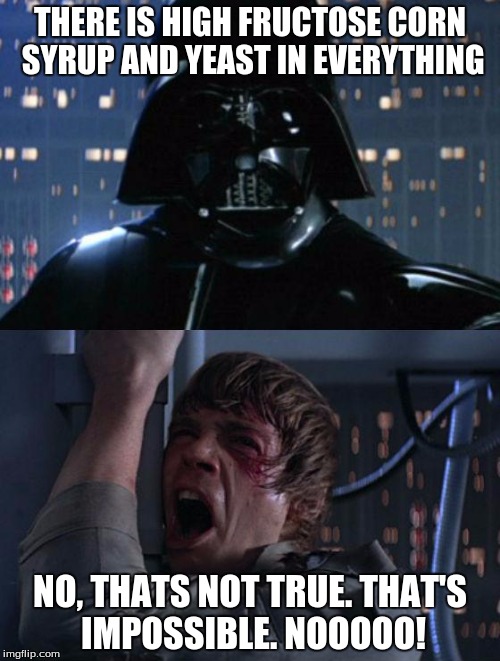
Correct. America is a peasant society where high fructose corn syrup is a main staple.
Anonymous
05/12/2025 09:56
Subject: Why are so many American pastry and bread shops really bad?
I'm thinking through OP's question carefully. In the first place there are not that many pastry/bread shops in America. The market doesn't allow for many successful independent bakeries, the ones that do well tend to be local chains with a handful of stores, which suggests that economies of scale is important.
I'm in the Baltimore area and we do have a selection of excellent options for patisseries and bread. And my favorite bread is from Mom's Organic supermarket, which has excellent sourdough based breads. Wegmans has a good inhouse bakery and breads at WF and local upscale supermarkets are perfectly fine if not as good as Poilane in Paris.
I also travel to Europe all the time and have had plenty of boring croissants and dull crusty rolls and overly sweet and sugary pastries (northern Europe seems to cover many of their pastries with a thick fondant or sugary glaze). If my travel experiences have taught me it's that you can find just as good bread and pastries in the US if you know where to look and for most cities you will find good options with some research. It's light and day from the late 1980s when options were far more limited. Heck, I'd even argue you can find *better* bread at select bakeries in the US than in most of Europe, although not every place will have those options. American culinary scene is so dynamic and innovative and ambitious that making these blanket statements is just silly.
I'm in the Baltimore area and we do have a selection of excellent options for patisseries and bread. And my favorite bread is from Mom's Organic supermarket, which has excellent sourdough based breads. Wegmans has a good inhouse bakery and breads at WF and local upscale supermarkets are perfectly fine if not as good as Poilane in Paris.
I also travel to Europe all the time and have had plenty of boring croissants and dull crusty rolls and overly sweet and sugary pastries (northern Europe seems to cover many of their pastries with a thick fondant or sugary glaze). If my travel experiences have taught me it's that you can find just as good bread and pastries in the US if you know where to look and for most cities you will find good options with some research. It's light and day from the late 1980s when options were far more limited. Heck, I'd even argue you can find *better* bread at select bakeries in the US than in most of Europe, although not every place will have those options. American culinary scene is so dynamic and innovative and ambitious that making these blanket statements is just silly.
Anonymous
05/12/2025 09:16
Subject: Why are so many American pastry and bread shops really bad?
Jesus lady, you should have been here before the 80s. It was white bread or nothing. You can't even imagine.
Anonymous
05/12/2025 09:15
Subject: Why are so many American pastry and bread shops really bad?
American wheat is bad.