Anonymous
 08/30/2022 12:40
Subject: Re:Instead of student loan forgiveness, why can’t we have this?
08/30/2022 12:40
Subject: Re:Instead of student loan forgiveness, why can’t we have this?
Anonymous wrote:The fancy stuff isn't what made the colleges expensive--it's what colleges did to attract students in a competitive marketplace. And alum like to donate for the sports and the gyms and the like more than other things. Big costs are research libraries, research equipment, updated classroom spaces, health insurance, administration to deal with ever-f regulations/liabilities, support staff needed for the wider array of students going to college (lot easier to educate just UMC kids with adequate resources in the past than a greater swath of the population that attends now). US colleges are highly regarded around the world, we should recognized the public value they hold and just fund them the way we used to.
People get so focused on the fancy gyms and climbing walls etc, and they don’t see (as much) the things that are really contributing to costs. My DC attends my alma mater, so I can compare the differences directly. The gym & new dorms are paid for by alumni donations. What’s really amazing is the support services that are available — writing centers, free tutoring, career counselors (including assistance with professional clothing), etc etc. colleges are spending a ton on student retention, especially for the first gen etc kids. When I was there, you *might* get 10 minutes a year with an advisor who was also a prof, but the support available now is amazing. Add in scholarships for study abroad, paid research opportunities, etc. and it really adds up.
If you eliminate all of these costly “extras,” it won”t be the UMC kids who will suffer. Their parents will pay for those resources if they need them.

Anonymous
08/30/2022 12:24
Subject: Re:Instead of student loan forgiveness, why can’t we have this?
Anonymous wrote:Anonymous wrote:There needs to be a quality metric. The government should only give student loans to students at schools where the student loan default rate is below a certain threshold. This would immediately knock out most for-profit schools and incentivize all schools to get their grads into good paying jobs with strong academic programs and career support. To meet this threshold, schools may choose to cut or reduce the size of programs where grads can't make a living wage, i.e., majors that aren't a good investment. They may also bulk up and market majors with good career options.
Loss of for profit programs will disproportionately impact low income and minority students, so this should be coupled with more aid for community colleges or other public schools.
I see comments like this constantly on DCUM and it's weird to me because a person with an English degree can do everything from spend a fruitless decade "writing a novel" while working odd jobs, to becoming a teacher with a steady income and benefits, to becoming a consultant or going to law school and making a very high income.
There are also a lot of people who get pushed into "marketable" majors like engineering or business and do poorly because it doesn't suit them, get bad grades, and struggle to find jobs upon graduation.
At a liberal arts college, the goal is to turn out students who can do a broad variety of professional work, and who all have a baseline skill level in reading, writing, math/statistics, and logic, and a broad exposure to history, the sciences, politics/government, and the arts. With that education you can do lots and lots of things, whether you majored in Ethnic Studies or Accounting.
The push to make liberal arts colleges more like pre-professional school is weird. That's what pre-professional schools are for! But lots of jobs do not require specialized education -- they require smart, capable, literate people who can learn the specifics of that job fairly quickly. I.e. liberal arts graduates.
English majors from good schools get jobs and can usually manage their loans with income based repayment. Those folks won't be targeted here. This is about students who take out loans and can't make a living wage. Would you really willingly sign up for a program if you knew there was a 25% chance that you'd end up burdened by loan debt that cannot be cleared by bankruptcy, unable to get a job with a living wage, and with ruined credit so you can't ever buy a house? Guess what? Today schools don't disclose this info. Yet grads in this situation admit they would have been better off not attending the program altogether.
Anonymous
08/30/2022 12:08
Subject: Re:Instead of student loan forgiveness, why can’t we have this?
Anonymous wrote:Anonymous wrote:There needs to be a quality metric. The government should only give student loans to students at schools where the student loan default rate is below a certain threshold. This would immediately knock out most for-profit schools and incentivize all schools to get their grads into good paying jobs with strong academic programs and career support. To meet this threshold, schools may choose to cut or reduce the size of programs where grads can't make a living wage, i.e., majors that aren't a good investment. They may also bulk up and market majors with good career options.
Loss of for profit programs will disproportionately impact low income and minority students, so this should be coupled with more aid for community colleges or other public schools.
I see comments like this constantly on DCUM and it's weird to me because a person with an English degree can do everything from spend a fruitless decade "writing a novel" while working odd jobs, to becoming a teacher with a steady income and benefits, to becoming a consultant or going to law school and making a very high income.
There are also a lot of people who get pushed into "marketable" majors like engineering or business and do poorly because it doesn't suit them, get bad grades, and struggle to find jobs upon graduation.
At a liberal arts college, the goal is to turn out students who can do a broad variety of professional work, and who all have a baseline skill level in reading, writing, math/statistics, and logic, and a broad exposure to history, the sciences, politics/government, and the arts. With that education you can do lots and lots of things, whether you majored in Ethnic Studies or Accounting.
The push to make liberal arts colleges more like pre-professional school is weird. That's what pre-professional schools are for! But lots of jobs do not require specialized education -- they require smart, capable, literate people who can learn the specifics of that job fairly quickly. I.e. liberal arts graduates.
This is going to apply to schools with programs where large numbers of grads are defaulting on their student loans. These young adults won't be able to buy a house or car because of their credit, which is directly linked to their school choice and choice of major. It's a huge issue. No one should have that type of debt burden. Schools that graduate students who don't default--which meaningfully harms graduates' lives--can keep non-career track majors.
Anonymous
08/30/2022 12:04
Subject: Re:Instead of student loan forgiveness, why can’t we have this?
Anonymous wrote:There needs to be a quality metric. The government should only give student loans to students at schools where the student loan default rate is below a certain threshold. This would immediately knock out most for-profit schools and incentivize all schools to get their grads into good paying jobs with strong academic programs and career support. To meet this threshold, schools may choose to cut or reduce the size of programs where grads can't make a living wage, i.e., majors that aren't a good investment. They may also bulk up and market majors with good career options.
Loss of for profit programs will disproportionately impact low income and minority students, so this should be coupled with more aid for community colleges or other public schools.
I see comments like this constantly on DCUM and it's weird to me because a person with an English degree can do everything from spend a fruitless decade "writing a novel" while working odd jobs, to becoming a teacher with a steady income and benefits, to becoming a consultant or going to law school and making a very high income.
There are also a lot of people who get pushed into "marketable" majors like engineering or business and do poorly because it doesn't suit them, get bad grades, and struggle to find jobs upon graduation.
At a liberal arts college, the goal is to turn out students who can do a broad variety of professional work, and who all have a baseline skill level in reading, writing, math/statistics, and logic, and a broad exposure to history, the sciences, politics/government, and the arts. With that education you can do lots and lots of things, whether you majored in Ethnic Studies or Accounting.
The push to make liberal arts colleges more like pre-professional school is weird. That's what pre-professional schools are for! But lots of jobs do not require specialized education -- they require smart, capable, literate people who can learn the specifics of that job fairly quickly. I.e. liberal arts graduates.
Anonymous
08/30/2022 11:55
Subject: Instead of student loan forgiveness, why can’t we have this?
Anonymous wrote:Better idea is to require colleges to guarantee the loans. Maybe then they will stop encouraging students to take out hundreds of thousands of dollars for a degree that does not support that investment.
Excluding elites like Harvard and Yale with massive endowments, most schools don't have the resources to do this. It won't work so it won't happen.
Anonymous
08/30/2022 11:48
Subject: Re:Instead of student loan forgiveness, why can’t we have this?
Anonymous wrote:There needs to be a quality metric. The government should only give student loans to students at schools where the student loan default rate is below a certain threshold. This would immediately knock out most for-profit schools and incentivize all schools to get their grads into good paying jobs with strong academic programs and career support. To meet this threshold, schools may choose to cut or reduce the size of programs where grads can't make a living wage, i.e., majors that aren't a good investment. They may also bulk up and market majors with good career options.
Loss of for profit programs will disproportionately impact low income and minority students, so this should be coupled with more aid for community colleges or other public schools.
I should also add that this will incetivize schools to keep the overall loan burden of its grads manageable to avoid defaults.
Anonymous
08/30/2022 11:45
Subject: Instead of student loan forgiveness, why can’t we have this?
Better idea is to require colleges to guarantee the loans. Maybe then they will stop encouraging students to take out hundreds of thousands of dollars for a degree that does not support that investment.
Anonymous
08/30/2022 11:40
Subject: Re:Instead of student loan forgiveness, why can’t we have this?
There needs to be a quality metric. The government should only give student loans to students at schools where the student loan default rate is below a certain threshold. This would immediately knock out most for-profit schools and incentivize all schools to get their grads into good paying jobs with strong academic programs and career support. To meet this threshold, schools may choose to cut or reduce the size of programs where grads can't make a living wage, i.e., majors that aren't a good investment. They may also bulk up and market majors with good career options.
Loss of for profit programs will disproportionately impact low income and minority students, so this should be coupled with more aid for community colleges or other public schools.
Loss of for profit programs will disproportionately impact low income and minority students, so this should be coupled with more aid for community colleges or other public schools.
Anonymous
08/30/2022 11:26
Subject: Instead of student loan forgiveness, why can’t we have this?
Anonymous wrote:Data shows that kids with community college degrees don’t get to 4 year degree and never make as much money.
Also, sort of opposite of PP, I want all kids to have the opportunity to spend four years somewhere, have teams to root for, and put down roots in a community they are proud of. There has to be a way at least some state schools could do this. It is not about bells and whistles but pride of place.
There are very cheap 4 year schools in most states. I would like smart poor students to have better options than Virginia State
Anonymous
08/30/2022 11:24
Subject: Re:Instead of student loan forgiveness, why can’t we have this?
Anonymous wrote:Anonymous wrote:This is not feasible due to how colleges/universities (even public ones) are set up right now, but I whole-heartedly agree. I would have loved an inexpensive (or free) education that just involved going to class and doing my homework, reading, some practical internship/externships, etc. You can build a social life and hobbies outside of school, I didn't need school to provide those for me, and I actually enjoyed leaving campus to do things with mixed-age groups and get out of the campus bubble.
Private colleges can of course do whatever they want, but I don't understand why public universities don't make cost-effective but high-quality learning a goal. It's one thing to spend money on labs, excellent professors, and hands-on programming. But most schools are spending enormous funds on student life and I don't understand why. 18-22 year olds are historically pretty good at finding ways to entertain themselves.
Because a system where poor kids can't eat in the dining hall with their rich classmates or can't use the gym (or are the schools to build two gyms) to exercise, is awful. (And if the rich kids can use the poor facilities but not vice-versa, that's pretty gross, too.)
I hate to break it to you, but that already exists. Poor kids move off campus and drop meal plans and any optional fees the second they are allowed to
Anonymous
08/30/2022 10:54
Subject: Instead of student loan forgiveness, why can’t we have this?
Data shows that kids with community college degrees don’t get to 4 year degree and never make as much money.
Also, sort of opposite of PP, I want all kids to have the opportunity to spend four years somewhere, have teams to root for, and put down roots in a community they are proud of. There has to be a way at least some state schools could do this. It is not about bells and whistles but pride of place.
Also, sort of opposite of PP, I want all kids to have the opportunity to spend four years somewhere, have teams to root for, and put down roots in a community they are proud of. There has to be a way at least some state schools could do this. It is not about bells and whistles but pride of place.
Anonymous
08/30/2022 10:48
Subject: Re:Instead of student loan forgiveness, why can’t we have this?
Anonymous wrote:Anonymous wrote:I say get rid of BS classes, aka core classes.
What do you really need to be an accountant? It’s not all 120 credits.
So basically make college trade school? Why not have AA programs that are more trade focused and let folks who want a rounded college education still get that? I see your point but I disagree that college is merely to train students in career knowledge.
Okay if the class has a proper like writing or speech but a lot is BS.
Anonymous
08/30/2022 10:45
Subject: Re:Instead of student loan forgiveness, why can’t we have this?
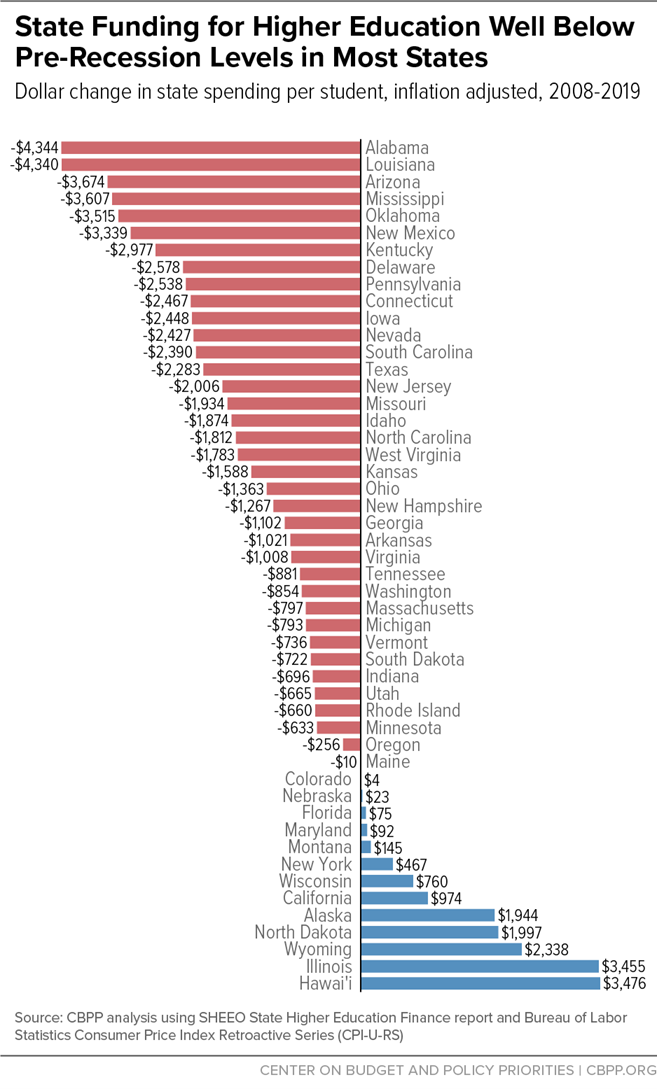
If only we could figure out why tuition has been going up.
Anonymous
08/30/2022 10:45
Subject: Re:Instead of student loan forgiveness, why can’t we have this?
The trade schools are so looked down upon here. Tradespeople are seen as second class citizens already. If your child is not attending a T20 school, they are worthless.
This is of course until the AC or heat goes out!
This is of course until the AC or heat goes out!
Anonymous
08/30/2022 10:39
Subject: Re:Instead of student loan forgiveness, why can’t we have this?
Anonymous wrote:The fancy stuff isn't what made the colleges expensive--it's what colleges did to attract students in a competitive marketplace. And alum like to donate for the sports and the gyms and the like more than other things. Big costs are research libraries, research equipment, updated classroom spaces, health insurance, administration to deal with ever-increasing regulations/liabilities, support staff needed for the wider array of students going to college (lot easier to educate just UMC kids with adequate resources in the past than a greater swath of the population that attends now). US colleges are highly regarded around the world, we should recognized the public value they hold and just fund them the way we used to.
Research grants pay for research equipment and buildings. Those aren't coming out of undergrad tuition.