Anonymous
 05/24/2023 09:34
Subject: Disclosing atheism
05/24/2023 09:34
Subject: Disclosing atheism
Anonymous wrote:Anonymous wrote:Anonymous wrote:Anonymous wrote:Anonymous wrote:Anonymous wrote:Anonymous wrote:Anonymous wrote:Anonymous wrote:Anonymous wrote:Anonymous wrote:Anonymous wrote:Anonymous wrote:I don’t see the atheists here trying to genuinely engage with the mission of Christians.
What is "the mission"?
+1 also, do you expect people of other religions to engage with the Christian "mission"?
The mission of Christianity is to spread the good news. Did you go to Sunday school? It is fundamental to the very essence of Christianity. World history has been shaped by this mission. To ignore this fact is to to ignore reality. It is what it is. To genuinely engage in discussion with Christians is to accept what they have been taught over and over again throughout time. You cannot genuinely engage with a Christian in debate if you ignore this about them. No matter how frustrating it is.
Sorry, but I can't really believe that Christians expect people of other religions and no religion to engage with them if it only can mean becoming a Christian. Seems to me that in the US people are taught to respect other religions but not taught to expect others to convert to their religion. Slowly, that respect is being extending to people who do not practice any religion.
We might be arguing past each other. I am talking about those who wish to not insult Christians. You would start by respecting what they believe, nothing more. And I didn’t say that Christians “expect” others to concert.
Are you saying that "spreading the good news" is not related to people who are not Christians becoming Christians?
No I am not saying that. I am saying that is where they are coming from if you would like to understand them so as not to insult them.
I think I understand - you are saying Christians (I used to be one) believe they are doing something good and others who don't share that belief should not express it, to avoid insulting Christians. Is that right?
Not quite. In OP’s situation, I would’ve answered the question the neighbor asked. “What church do you go to?” “Oh, I don’t go to church.” And then see what the neighbor says. Perhaps the neighbor lets it drop because the conversation was getting too personal for that particular social gathering. If the neighbor pushed it, then I would disclose that I was atheist. The neighbor should then respectfully engage in normal conversation and not pass judgment, just as the atheist did.
From the OP:
"...they asked me about my faith, where I go to church etc."
Seems like Christian pp is expecting people to place protecting religious beliefs over expressing their (non)belief. I disagree, but think I can understand how a religious person would feel this way. They are accustomed to it and feel threatened by such a change. It's relatively rare and recent that people would openly express their atheism as OP did.
Atheists no longer "know their place" like women and gays before them.
So atheists have had to struggle for civil rights? No.
Atheists (here) have terrible personalities and are too sensitive, while seeing everything as an attack. They aren’t fighting for rights. Get over yourself.
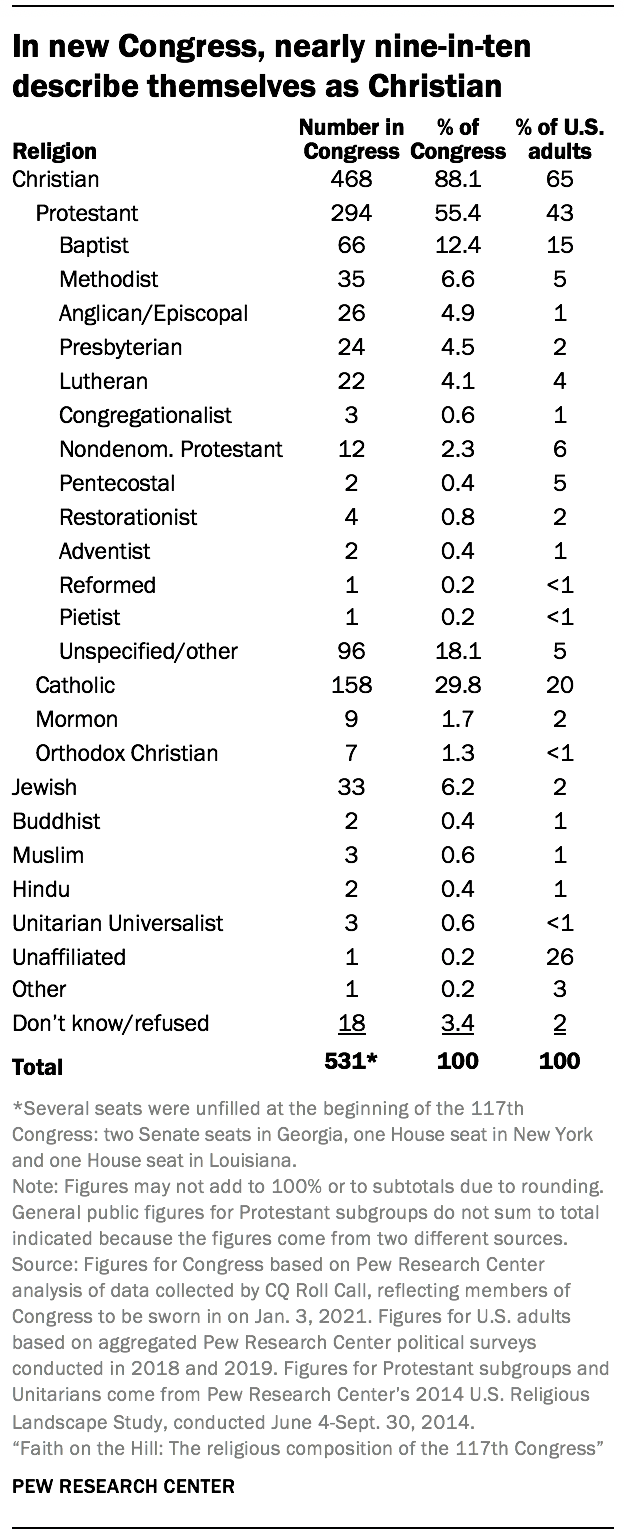
Atheists as a percentage of American society: 20-29%
https://en.wikipedia.org/wiki/Irreligion_in_the_United_States#
Atheists as a percentage of congress, executive branch or supreme court: < 0.2%
https://www.pewresearch.org/religion/2021/01/04/faith-on-the-hill-2021/
You don't think we struggle for civil rights?

Anonymous
05/24/2023 09:02
Subject: Disclosing atheism
Anonymous wrote:Anonymous wrote:Anonymous wrote:Anonymous wrote:Anonymous wrote:Anonymous wrote:Anonymous wrote:Anonymous wrote:Anonymous wrote:Anonymous wrote:Anonymous wrote:Anonymous wrote:Anonymous wrote:I don’t see the atheists here trying to genuinely engage with the mission of Christians.
What is "the mission"?
+1 also, do you expect people of other religions to engage with the Christian "mission"?
The mission of Christianity is to spread the good news. Did you go to Sunday school? It is fundamental to the very essence of Christianity. World history has been shaped by this mission. To ignore this fact is to to ignore reality. It is what it is. To genuinely engage in discussion with Christians is to accept what they have been taught over and over again throughout time. You cannot genuinely engage with a Christian in debate if you ignore this about them. No matter how frustrating it is.
Sorry, but I can't really believe that Christians expect people of other religions and no religion to engage with them if it only can mean becoming a Christian. Seems to me that in the US people are taught to respect other religions but not taught to expect others to convert to their religion. Slowly, that respect is being extending to people who do not practice any religion.
We might be arguing past each other. I am talking about those who wish to not insult Christians. You would start by respecting what they believe, nothing more. And I didn’t say that Christians “expect” others to concert.
Are you saying that "spreading the good news" is not related to people who are not Christians becoming Christians?
No I am not saying that. I am saying that is where they are coming from if you would like to understand them so as not to insult them.
I think I understand - you are saying Christians (I used to be one) believe they are doing something good and others who don't share that belief should not express it, to avoid insulting Christians. Is that right?
Not quite. In OP’s situation, I would’ve answered the question the neighbor asked. “What church do you go to?” “Oh, I don’t go to church.” And then see what the neighbor says. Perhaps the neighbor lets it drop because the conversation was getting too personal for that particular social gathering. If the neighbor pushed it, then I would disclose that I was atheist. The neighbor should then respectfully engage in normal conversation and not pass judgment, just as the atheist did.
From the OP:
"...they asked me about my faith, where I go to church etc."
Seems like Christian pp is expecting people to place protecting religious beliefs over expressing their (non)belief. I disagree, but think I can understand how a religious person would feel this way. They are accustomed to it and feel threatened by such a change. It's relatively rare and recent that people would openly express their atheism as OP did.
Atheists no longer "know their place" like women and gays before them.
So atheists have had to struggle for civil rights? No.
Atheists (here) have terrible personalities and are too sensitive, while seeing everything as an attack. They aren’t fighting for rights. Get over yourself.
Unlike women and gays, atheists can blend more easily in society and also can call themselves agnostics or simply non-church goers, which are more socially acceptable terms.
Yet, it is interesting, that when someone, as above, slurs atheists, believers don't come to the defense of atheists. Most believers would never make such derogatory comments, either in person or on-line, but let it slide when others do.
Anonymous
05/24/2023 08:46
Subject: Disclosing atheism
Anonymous wrote:Anonymous wrote:Anonymous wrote:Anonymous wrote:Anonymous wrote:Anonymous wrote:Anonymous wrote:Anonymous wrote:Anonymous wrote:Anonymous wrote:Anonymous wrote:Anonymous wrote:I don’t see the atheists here trying to genuinely engage with the mission of Christians.
What is "the mission"?
+1 also, do you expect people of other religions to engage with the Christian "mission"?
The mission of Christianity is to spread the good news. Did you go to Sunday school? It is fundamental to the very essence of Christianity. World history has been shaped by this mission. To ignore this fact is to to ignore reality. It is what it is. To genuinely engage in discussion with Christians is to accept what they have been taught over and over again throughout time. You cannot genuinely engage with a Christian in debate if you ignore this about them. No matter how frustrating it is.
Sorry, but I can't really believe that Christians expect people of other religions and no religion to engage with them if it only can mean becoming a Christian. Seems to me that in the US people are taught to respect other religions but not taught to expect others to convert to their religion. Slowly, that respect is being extending to people who do not practice any religion.
We might be arguing past each other. I am talking about those who wish to not insult Christians. You would start by respecting what they believe, nothing more. And I didn’t say that Christians “expect” others to concert.
Are you saying that "spreading the good news" is not related to people who are not Christians becoming Christians?
No I am not saying that. I am saying that is where they are coming from if you would like to understand them so as not to insult them.
I think I understand - you are saying Christians (I used to be one) believe they are doing something good and others who don't share that belief should not express it, to avoid insulting Christians. Is that right?
Not quite. In OP’s situation, I would’ve answered the question the neighbor asked. “What church do you go to?” “Oh, I don’t go to church.” And then see what the neighbor says. Perhaps the neighbor lets it drop because the conversation was getting too personal for that particular social gathering. If the neighbor pushed it, then I would disclose that I was atheist. The neighbor should then respectfully engage in normal conversation and not pass judgment, just as the atheist did.
From the OP:
"...they asked me about my faith, where I go to church etc."
Seems like Christian pp is expecting people to place protecting religious beliefs over expressing their (non)belief. I disagree, but think I can understand how a religious person would feel this way. They are accustomed to it and feel threatened by such a change. It's relatively rare and recent that people would openly express their atheism as OP did.
Atheists no longer "know their place" like women and gays before them.
So atheists have had to struggle for civil rights? No.
Atheists (here) have terrible personalities and are too sensitive, while seeing everything as an attack. They aren’t fighting for rights. Get over yourself.
Anonymous
05/24/2023 08:12
Subject: Disclosing atheism
Anonymous wrote:Anonymous wrote:Anonymous wrote:Anonymous wrote:To genuinely engage with Christian’s is to accept that faith is a reliable source of truth to them without resorting to insults
Seems like Christians who really believed in their faith would not be insulted by accurate comparisons to Santa and the Easter bunny. All three are believed by children, correct? Only adults are encouraged to believe in God, correct?
Clearly God, does much more than the other two, and there are whole, and numerous, belief structures built around God, but they are all supernatural and it requires faith to believe in them.
I can see how some people would be swayed by the similarities among these beings, but if your faith is strong, no problem. You can reject what you no longer believe in and continue believing in what you want to.
DP
The universe began from nothingness, something came from nothing or any explanation you have is as much faith as my belief in a Creator.
No - I don't have an explanation for the creation of the Universe. It's something that hasn't been figured out yet. I also have no reason to think that someday it will be figured out scientifically, like everything else so far that people have figured out. The answer has never been "God did it." That's only the answer some people have when there is not yet a scientific solution.
I recall reading that Darwin put off publishing his theory of evolution because he didn't want to offend his Christian wife or the vast Christian community that he was a part of. In a way, he needn't have worried, because over 100 years later, intelligent people still believe in God and are still finding ways to justify their beliefs.
Anonymous
05/24/2023 07:44
Subject: Disclosing atheism
Anonymous wrote:Anonymous wrote:Anonymous wrote:Anonymous wrote:Anonymous wrote:Anonymous wrote:Anonymous wrote:Anonymous wrote:To genuinely engage with Christian’s is to accept that faith is a reliable source of truth to them without resorting to insults
Seems like Christians who really believed in their faith would not be insulted by accurate comparisons to Santa and the Easter bunny. All three are believed by children, correct? Only adults are encouraged to believe in God, correct?
Clearly God, does much more than the other two, and there are whole, and numerous, belief structures built around God, but they are all supernatural and it requires faith to believe in them.
I can see how some people would be swayed by the similarities among these beings, but if your faith is strong, no problem. You can reject what you no longer believe in and continue believing in what you want to.
DP
The universe began from nothingness, something came from nothing or any explanation you have is as much faith as my belief in a Creator.
First that is not what Atheists believe. Atheists have a stand on a single proposition: whether or not to believe in a god. There is no atheist position on the creation of the universe.
As for your cosmological inquiry, the answer is we don't know what happened before the big bang, or even if there was a before the big bang (there is no evidence of it). It's possible time began with the big bang, like the first frame of a piece of film, with nothing before it. But we don't know, which is a position that does not require ANY faith.
And your definition of "from nothing" makes "nothing" logically impossible as it defines "nothing" making it something. Hard to wrap your mind around, but that is what you are doing.
And on top of that, any demands you put on the creation of the universe also need to apply to any creator, and there is infinite regress... it's also a presuppositional fallacy...
...so you see why cosmological arguments for god are highly flawed.
NP. I disagree with the bolded and find the cosmological arguments convincing, but this is why the "Santa Claus" claims are wrong. There's no serious philosophical defense of the existence of Santa. There is for God, even if you don't find the arguments convincing.
Sounds like you are saying God is more believable than Santa because serious philosophers have defended the reality of God. Is that right?
Would you also agree that both God and Santa are beliefs for which there is no scientific evidence?
I'm saying it because of the seriousness of the arguments, not the seriousness of the philosophers, but maybe that's splitting hairs. The cosmological arguments for the existence of God are based on evidence in that they are inferences drawn from observations about the universe: the fact that the universe exists in the first place, the fact things have causes, etc. Meanwhile there's neither evidence nor philosophical argument for the existence of Santa. You may find that the cosmological arguments don't persuade you, but people who accept them do so on the basis of applying logic to observations about that universe. Santa belief isn't like that.
+1
The anti-theist posters here do not have college/university degrees and will not understand your post.
I understand the post and disagree with it.
Anonymous
05/24/2023 07:42
Subject: Disclosing atheism
Anonymous wrote:Anonymous wrote:Anonymous wrote:Anonymous wrote:Anonymous wrote:Anonymous wrote:Anonymous wrote:Anonymous wrote:Anonymous wrote:Anonymous wrote:Anonymous wrote:I don’t see the atheists here trying to genuinely engage with the mission of Christians.
What is "the mission"?
+1 also, do you expect people of other religions to engage with the Christian "mission"?
The mission of Christianity is to spread the good news. Did you go to Sunday school? It is fundamental to the very essence of Christianity. World history has been shaped by this mission. To ignore this fact is to to ignore reality. It is what it is. To genuinely engage in discussion with Christians is to accept what they have been taught over and over again throughout time. You cannot genuinely engage with a Christian in debate if you ignore this about them. No matter how frustrating it is.
Sorry, but I can't really believe that Christians expect people of other religions and no religion to engage with them if it only can mean becoming a Christian. Seems to me that in the US people are taught to respect other religions but not taught to expect others to convert to their religion. Slowly, that respect is being extending to people who do not practice any religion.
We might be arguing past each other. I am talking about those who wish to not insult Christians. You would start by respecting what they believe, nothing more. And I didn’t say that Christians “expect” others to concert.
Are you saying that "spreading the good news" is not related to people who are not Christians becoming Christians?
No I am not saying that. I am saying that is where they are coming from if you would like to understand them so as not to insult them.
I think I understand - you are saying Christians (I used to be one) believe they are doing something good and others who don't share that belief should not express it, to avoid insulting Christians. Is that right?
Not quite. In OP’s situation, I would’ve answered the question the neighbor asked. “What church do you go to?” “Oh, I don’t go to church.” And then see what the neighbor says. Perhaps the neighbor lets it drop because the conversation was getting too personal for that particular social gathering. If the neighbor pushed it, then I would disclose that I was atheist. The neighbor should then respectfully engage in normal conversation and not pass judgment, just as the atheist did.
From the OP:
"...they asked me about my faith, where I go to church etc."
Seems like Christian pp is expecting people to place protecting religious beliefs over expressing their (non)belief. I disagree, but think I can understand how a religious person would feel this way. They are accustomed to it and feel threatened by such a change. It's relatively rare and recent that people would openly express their atheism as OP did.
Atheists no longer "know their place" like women and gays before them.
Anonymous
05/24/2023 07:28
Subject: Disclosing atheism
Anonymous wrote:sigh, why do these threads get monopolized by the same Christians/atheists? You should start your own thread on the existence of God and debate away. OP's thread is not about who's belief (or lack of) is right.
Or perhaps pp should start their own thread about Christians and atheists who monopolize threads.
Discussions on any topic can stray from their original issues. Its called conversation.
Anonymous
05/24/2023 06:49
Subject: Disclosing atheism
Anonymous wrote:Anonymous wrote:Anonymous wrote:Anonymous wrote:Anonymous wrote:Anonymous wrote:Anonymous wrote:To genuinely engage with Christian’s is to accept that faith is a reliable source of truth to them without resorting to insults
Seems like Christians who really believed in their faith would not be insulted by accurate comparisons to Santa and the Easter bunny. All three are believed by children, correct? Only adults are encouraged to believe in God, correct?
Clearly God, does much more than the other two, and there are whole, and numerous, belief structures built around God, but they are all supernatural and it requires faith to believe in them.
I can see how some people would be swayed by the similarities among these beings, but if your faith is strong, no problem. You can reject what you no longer believe in and continue believing in what you want to.
DP
The universe began from nothingness, something came from nothing or any explanation you have is as much faith as my belief in a Creator.
First that is not what Atheists believe. Atheists have a stand on a single proposition: whether or not to believe in a god. There is no atheist position on the creation of the universe.
As for your cosmological inquiry, the answer is we don't know what happened before the big bang, or even if there was a before the big bang (there is no evidence of it). It's possible time began with the big bang, like the first frame of a piece of film, with nothing before it. But we don't know, which is a position that does not require ANY faith.
And your definition of "from nothing" makes "nothing" logically impossible as it defines "nothing" making it something. Hard to wrap your mind around, but that is what you are doing.
And on top of that, any demands you put on the creation of the universe also need to apply to any creator, and there is infinite regress... it's also a presuppositional fallacy...
...so you see why cosmological arguments for god are highly flawed.
NP. I disagree with the bolded and find the cosmological arguments convincing, but this is why the "Santa Claus" claims are wrong. There's no serious philosophical defense of the existence of Santa. There is for God, even if you don't find the arguments convincing.
Sounds like you are saying God is more believable than Santa because serious philosophers have defended the reality of God. Is that right?
Would you also agree that both God and Santa are beliefs for which there is no scientific evidence?
I'm saying it because of the seriousness of the arguments, not the seriousness of the philosophers, but maybe that's splitting hairs. The cosmological arguments for the existence of God are based on evidence in that they are inferences drawn from observations about the universe: the fact that the universe exists in the first place, the fact things have causes, etc. Meanwhile there's neither evidence nor philosophical argument for the existence of Santa. You may find that the cosmological arguments don't persuade you, but people who accept them do so on the basis of applying logic to observations about that universe. Santa belief isn't like that.
That’s not “evidence”. That’s you attributing the unknown to a supernatural force.
Anonymous
05/24/2023 05:53
Subject: Disclosing atheism
Anonymous wrote:Anonymous wrote:Anonymous wrote:Anonymous wrote:Anonymous wrote:Anonymous wrote:Anonymous wrote:Anonymous wrote:Anonymous wrote:Anonymous wrote:I don’t see the atheists here trying to genuinely engage with the mission of Christians.
What is "the mission"?
+1 also, do you expect people of other religions to engage with the Christian "mission"?
The mission of Christianity is to spread the good news. Did you go to Sunday school? It is fundamental to the very essence of Christianity. World history has been shaped by this mission. To ignore this fact is to to ignore reality. It is what it is. To genuinely engage in discussion with Christians is to accept what they have been taught over and over again throughout time. You cannot genuinely engage with a Christian in debate if you ignore this about them. No matter how frustrating it is.
Sorry, but I can't really believe that Christians expect people of other religions and no religion to engage with them if it only can mean becoming a Christian. Seems to me that in the US people are taught to respect other religions but not taught to expect others to convert to their religion. Slowly, that respect is being extending to people who do not practice any religion.
We might be arguing past each other. I am talking about those who wish to not insult Christians. You would start by respecting what they believe, nothing more. And I didn’t say that Christians “expect” others to concert.
Are you saying that "spreading the good news" is not related to people who are not Christians becoming Christians?
No I am not saying that. I am saying that is where they are coming from if you would like to understand them so as not to insult them.
I think I understand - you are saying Christians (I used to be one) believe they are doing something good and others who don't share that belief should not express it, to avoid insulting Christians. Is that right?
Not quite. In OP’s situation, I would’ve answered the question the neighbor asked. “What church do you go to?” “Oh, I don’t go to church.” And then see what the neighbor says. Perhaps the neighbor lets it drop because the conversation was getting too personal for that particular social gathering. If the neighbor pushed it, then I would disclose that I was atheist. The neighbor should then respectfully engage in normal conversation and not pass judgment, just as the atheist did.
From the OP:
"...they asked me about my faith, where I go to church etc."
Anonymous
05/24/2023 03:20
Subject: Disclosing atheism
Anonymous wrote:Anonymous wrote:Anonymous wrote:Anonymous wrote:Anonymous wrote:Anonymous wrote:Anonymous wrote:To genuinely engage with Christian’s is to accept that faith is a reliable source of truth to them without resorting to insults
Seems like Christians who really believed in their faith would not be insulted by accurate comparisons to Santa and the Easter bunny. All three are believed by children, correct? Only adults are encouraged to believe in God, correct?
Clearly God, does much more than the other two, and there are whole, and numerous, belief structures built around God, but they are all supernatural and it requires faith to believe in them.
I can see how some people would be swayed by the similarities among these beings, but if your faith is strong, no problem. You can reject what you no longer believe in and continue believing in what you want to.
DP
The universe began from nothingness, something came from nothing or any explanation you have is as much faith as my belief in a Creator.
First that is not what Atheists believe. Atheists have a stand on a single proposition: whether or not to believe in a god. There is no atheist position on the creation of the universe.
As for your cosmological inquiry, the answer is we don't know what happened before the big bang, or even if there was a before the big bang (there is no evidence of it). It's possible time began with the big bang, like the first frame of a piece of film, with nothing before it. But we don't know, which is a position that does not require ANY faith.
And your definition of "from nothing" makes "nothing" logically impossible as it defines "nothing" making it something. Hard to wrap your mind around, but that is what you are doing.
And on top of that, any demands you put on the creation of the universe also need to apply to any creator, and there is infinite regress... it's also a presuppositional fallacy...
...so you see why cosmological arguments for god are highly flawed.
NP. I disagree with the bolded and find the cosmological arguments convincing, but this is why the "Santa Claus" claims are wrong. There's no serious philosophical defense of the existence of Santa. There is for God, even if you don't find the arguments convincing.
Sounds like you are saying God is more believable than Santa because serious philosophers have defended the reality of God. Is that right?
Would you also agree that both God and Santa are beliefs for which there is no scientific evidence?
I'm saying it because of the seriousness of the arguments, not the seriousness of the philosophers, but maybe that's splitting hairs. The cosmological arguments for the existence of God are based on evidence in that they are inferences drawn from observations about the universe: the fact that the universe exists in the first place, the fact things have causes, etc. Meanwhile there's neither evidence nor philosophical argument for the existence of Santa. You may find that the cosmological arguments don't persuade you, but people who accept them do so on the basis of applying logic to observations about that universe. Santa belief isn't like that.
+1
The anti-theist posters here do not have college/university degrees and will not understand your post.
Anonymous
05/24/2023 01:53
Subject: Disclosing atheism
sigh, why do these threads get monopolized by the same Christians/atheists? You should start your own thread on the existence of God and debate away. OP's thread is not about who's belief (or lack of) is right.
Anonymous
05/24/2023 01:04
Subject: Disclosing atheism
Anonymous wrote:Anonymous wrote:Anonymous wrote:Anonymous wrote:Anonymous wrote:Anonymous wrote:Anonymous wrote:Anonymous wrote:I don’t see the atheists here trying to genuinely engage with the mission of Christians.
What is "the mission"?
+1 also, do you expect people of other religions to engage with the Christian "mission"?
The mission of Christianity is to spread the good news. Did you go to Sunday school? It is fundamental to the very essence of Christianity. World history has been shaped by this mission. To ignore this fact is to to ignore reality. It is what it is. To genuinely engage in discussion with Christians is to accept what they have been taught over and over again throughout time. You cannot genuinely engage with a Christian in debate if you ignore this about them. No matter how frustrating it is.
Sorry, but I can't really believe that Christians expect people of other religions and no religion to engage with them if it only can mean becoming a Christian. Seems to me that in the US people are taught to respect other religions but not taught to expect others to convert to their religion. Slowly, that respect is being extending to people who do not practice any religion.
We might be arguing past each other. I am talking about those who wish to not insult Christians. You would start by respecting what they believe, nothing more. And I didn’t say that Christians “expect” others to concert.
Are you saying that "spreading the good news" is not related to people who are not Christians becoming Christians?
No I am not saying that. I am saying that is where they are coming from if you would like to understand them so as not to insult them.
And believers should try to understand where atheists are coming from to avoid insulting them?
Anonymous
05/23/2023 23:00
Subject: Disclosing atheism
Anonymous wrote:Anonymous wrote:Anonymous wrote:Anonymous wrote:Anonymous wrote:Anonymous wrote:Anonymous wrote:To genuinely engage with Christian’s is to accept that faith is a reliable source of truth to them without resorting to insults
Seems like Christians who really believed in their faith would not be insulted by accurate comparisons to Santa and the Easter bunny. All three are believed by children, correct? Only adults are encouraged to believe in God, correct?
Clearly God, does much more than the other two, and there are whole, and numerous, belief structures built around God, but they are all supernatural and it requires faith to believe in them.
I can see how some people would be swayed by the similarities among these beings, but if your faith is strong, no problem. You can reject what you no longer believe in and continue believing in what you want to.
DP
The universe began from nothingness, something came from nothing or any explanation you have is as much faith as my belief in a Creator.
First that is not what Atheists believe. Atheists have a stand on a single proposition: whether or not to believe in a god. There is no atheist position on the creation of the universe.
As for your cosmological inquiry, the answer is we don't know what happened before the big bang, or even if there was a before the big bang (there is no evidence of it). It's possible time began with the big bang, like the first frame of a piece of film, with nothing before it. But we don't know, which is a position that does not require ANY faith.
And your definition of "from nothing" makes "nothing" logically impossible as it defines "nothing" making it something. Hard to wrap your mind around, but that is what you are doing.
And on top of that, any demands you put on the creation of the universe also need to apply to any creator, and there is infinite regress... it's also a presuppositional fallacy...
...so you see why cosmological arguments for god are highly flawed.
NP. I disagree with the bolded and find the cosmological arguments convincing, but this is why the "Santa Claus" claims are wrong. There's no serious philosophical defense of the existence of Santa. There is for God, even if you don't find the arguments convincing.
Sounds like you are saying God is more believable than Santa because serious philosophers have defended the reality of God. Is that right?
Would you also agree that both God and Santa are beliefs for which there is no scientific evidence?
I'm saying it because of the seriousness of the arguments, not the seriousness of the philosophers, but maybe that's splitting hairs. The cosmological arguments for the existence of God are based on evidence in that they are inferences drawn from observations about the universe: the fact that the universe exists in the first place, the fact things have causes, etc. Meanwhile there's neither evidence nor philosophical argument for the existence of Santa. You may find that the cosmological arguments don't persuade you, but people who accept them do so on the basis of applying logic to observations about that universe. Santa belief isn't like that.
Your entire argument is presuppositionalism, and it is circular. God exists because the universe exists and therefore god must exist. It also needs special pleading, as in everything has a cause EXCEPT for my god, but the universe MUST have a cause... that's not how arguments and logic work.
Cosmological arguments are accepted by people trying to justify something they already believe, and in most cases were raised to believe. You'd be very hard pressed to find someone who was not a believer who was convinced to become one by a cosmological argument. I've never met one myself. Have you?
Anonymous
05/23/2023 22:54
Subject: Disclosing atheism
Anonymous wrote:Anonymous wrote:Anonymous wrote:Anonymous wrote:Anonymous wrote:Anonymous wrote:Anonymous wrote:Anonymous wrote:Anonymous wrote:Anonymous wrote:I don’t see the atheists here trying to genuinely engage with the mission of Christians.
What is "the mission"?
+1 also, do you expect people of other religions to engage with the Christian "mission"?
The mission of Christianity is to spread the good news. Did you go to Sunday school? It is fundamental to the very essence of Christianity. World history has been shaped by this mission. To ignore this fact is to to ignore reality. It is what it is. To genuinely engage in discussion with Christians is to accept what they have been taught over and over again throughout time. You cannot genuinely engage with a Christian in debate if you ignore this about them. No matter how frustrating it is.
Sorry, but I can't really believe that Christians expect people of other religions and no religion to engage with them if it only can mean becoming a Christian. Seems to me that in the US people are taught to respect other religions but not taught to expect others to convert to their religion. Slowly, that respect is being extending to people who do not practice any religion.
We might be arguing past each other. I am talking about those who wish to not insult Christians. You would start by respecting what they believe, nothing more. And I didn’t say that Christians “expect” others to concert.
Are you saying that "spreading the good news" is not related to people who are not Christians becoming Christians?
No I am not saying that. I am saying that is where they are coming from if you would like to understand them so as not to insult them.
I think I understand - you are saying Christians (I used to be one) believe they are doing something good and others who don't share that belief should not express it, to avoid insulting Christians. Is that right?
Not quite. In OP’s situation, I would’ve answered the question the neighbor asked. “What church do you go to?” “Oh, I don’t go to church.” And then see what the neighbor says. Perhaps the neighbor lets it drop because the conversation was getting too personal for that particular social gathering. If the neighbor pushed it, then I would disclose that I was atheist. The neighbor should then respectfully engage in normal conversation and not pass judgment, just as the atheist did.
OP could have said "I don't go to church" but chose to say "I'm an atheist". Sounds like you're saying that OP could have and should have made it easier on the neighbor by not saying they were an atheist.
Seems to me, that this implies atheism is something should be hidden from non-atheists.
Anonymous
05/23/2023 22:52
Subject: Disclosing atheism
Anonymous wrote:Anonymous wrote:Anonymous wrote:Anonymous wrote:Anonymous wrote:Anonymous wrote:To genuinely engage with Christian’s is to accept that faith is a reliable source of truth to them without resorting to insults
Seems like Christians who really believed in their faith would not be insulted by accurate comparisons to Santa and the Easter bunny. All three are believed by children, correct? Only adults are encouraged to believe in God, correct?
Clearly God, does much more than the other two, and there are whole, and numerous, belief structures built around God, but they are all supernatural and it requires faith to believe in them.
I can see how some people would be swayed by the similarities among these beings, but if your faith is strong, no problem. You can reject what you no longer believe in and continue believing in what you want to.
DP
The universe began from nothingness, something came from nothing or any explanation you have is as much faith as my belief in a Creator.
First that is not what Atheists believe. Atheists have a stand on a single proposition: whether or not to believe in a god. There is no atheist position on the creation of the universe.
As for your cosmological inquiry, the answer is we don't know what happened before the big bang, or even if there was a before the big bang (there is no evidence of it). It's possible time began with the big bang, like the first frame of a piece of film, with nothing before it. But we don't know, which is a position that does not require ANY faith.
And your definition of "from nothing" makes "nothing" logically impossible as it defines "nothing" making it something. Hard to wrap your mind around, but that is what you are doing.
And on top of that, any demands you put on the creation of the universe also need to apply to any creator, and there is infinite regress... it's also a presuppositional fallacy...
...so you see why cosmological arguments for god are highly flawed.
NP. I disagree with the bolded and find the cosmological arguments convincing, but this is why the "Santa Claus" claims are wrong. There's no serious philosophical defense of the existence of Santa. There is for God, even if you don't find the arguments convincing.
Sounds like you are saying God is more believable than Santa because serious philosophers have defended the reality of God. Is that right?
Would you also agree that both God and Santa are beliefs for which there is no scientific evidence?
I'm saying it because of the seriousness of the arguments, not the seriousness of the philosophers, but maybe that's splitting hairs. The cosmological arguments for the existence of God are based on evidence in that they are inferences drawn from observations about the universe: the fact that the universe exists in the first place, the fact things have causes, etc. Meanwhile there's neither evidence nor philosophical argument for the existence of Santa. You may find that the cosmological arguments don't persuade you, but people who accept them do so on the basis of applying logic to observations about that universe. Santa belief isn't like that.