Anonymous
 06/05/2023 10:07
Subject: What was the big boom?
06/05/2023 10:07
Subject: What was the big boom?
Anonymous wrote:Anonymous wrote:I read reporting last night that ATC lost contact with the pilots somewhere over New Jersey on the plane's flight to Long Island. So that's likely when the depressurization occurred.
So they were likely flying for 3+ hours while unconscious. The plane's autopilot seems to have turned the plane around at the Long Island airport when the pilot did not manually engage the landing procedures.
We are very lucky that this plane had enough fuel to crash in a rural area. It's just dumb luck that it didn't crash into a city or a busy area.
This is alarming and I would love to know more from aviation nerds why jets weren't assembled to investigate the first time they lost contact. I have seen the clip of the pilot landing at LAX and ATC yelling at him for not radioing back faster to confirm the runway was clear - like most people I assumed that when ATC radios you, you answer. So I am wondering how they not only lost contact but the plane didn't land, and it made it to DC before the Air Force assembled. God forbid it had run out of fuel over Manhattan, what a tragedy.
Small planes do crash, sometimes in inhabited areas. Remember the plane that crashed into the house by Gaithersburg?
But what do you think the ATC can do about an unresponsive plane at 30,000 feet? Shoot it down? Why would that be preferable?

Anonymous
06/05/2023 10:00
Subject: What was the big boom?
Anonymous wrote:Anonymous wrote:I read reporting last night that ATC lost contact with the pilots somewhere over New Jersey on the plane's flight to Long Island. So that's likely when the depressurization occurred.
So they were likely flying for 3+ hours while unconscious. The plane's autopilot seems to have turned the plane around at the Long Island airport when the pilot did not manually engage the landing procedures.
We are very lucky that this plane had enough fuel to crash in a rural area. It's just dumb luck that it didn't crash into a city or a busy area.
This is alarming and I would love to know more from aviation nerds why jets weren't assembled to investigate the first time they lost contact. I have seen the clip of the pilot landing at LAX and ATC yelling at him for not radioing back faster to confirm the runway was clear - like most people I assumed that when ATC radios you, you answer. So I am wondering how they not only lost contact but the plane didn't land, and it made it to DC before the Air Force assembled. God forbid it had run out of fuel over Manhattan, what a tragedy.
Or DC!!
Anonymous
06/05/2023 09:56
Subject: What was the big boom?
Why does the press report a horrific tragedy this way?
https://www.the-sun.com/news/8286552/prominent-maga-donors-entire-family-plane-crash-dc-area/
https://www.the-sun.com/news/8286552/prominent-maga-donors-entire-family-plane-crash-dc-area/
Anonymous
06/05/2023 09:50
Subject: What was the big boom?
Anonymous wrote:I read reporting last night that ATC lost contact with the pilots somewhere over New Jersey on the plane's flight to Long Island. So that's likely when the depressurization occurred.
So they were likely flying for 3+ hours while unconscious. The plane's autopilot seems to have turned the plane around at the Long Island airport when the pilot did not manually engage the landing procedures.
We are very lucky that this plane had enough fuel to crash in a rural area. It's just dumb luck that it didn't crash into a city or a busy area.
This is alarming and I would love to know more from aviation nerds why jets weren't assembled to investigate the first time they lost contact. I have seen the clip of the pilot landing at LAX and ATC yelling at him for not radioing back faster to confirm the runway was clear - like most people I assumed that when ATC radios you, you answer. So I am wondering how they not only lost contact but the plane didn't land, and it made it to DC before the Air Force assembled. God forbid it had run out of fuel over Manhattan, what a tragedy.
Anonymous
06/05/2023 09:47
Subject: Re:What was the big boom?
Anonymous wrote:Anonymous wrote:Anonymous wrote:Reminds me of Payne Stewart’s plane crash. Plane lost pressure and flew for almost 4 hours before crashing.
https://en.m.wikipedia.org/wiki/1999_South_Dakota_Learjet_crash
Was just going to post this reference to Payne Stewart. I remember this.
If this is the second time that this has happened in 25 years, then it's not a common occurrence.
It's pretty amazing how safe air travel is statistically.
Commercial air travel is the safest method in the world. My former boss's dh was ATC and he used to say not to be so swayed by an invitation to join someone on their private plane - "one of those things falls out of the sky every day."
Anonymous
06/05/2023 09:45
Subject: What was the big boom?
Anonymous wrote:Anonymous wrote:The owner of the plane, whose daughter and granddaughter died the crash, lost another daughter in a scuba diving accident at age 19.
Victoria Landing gets its name from Victoria Rumpel. Victoria was John’s daughter who died tragically at the young age of nineteen in a scuba diving accident. John honors the memory of his daughter with the Victoria Landing name. With that honor comes the responsibility to make Victoria Landing the very best it can be…in commemoration of Victoria and in celebration of everything life can and should be. Life is simply too precious.
https://victorialanding.com/our-history/
What I learned from this incident: owning one memory care facility kicks off enough profits to afford a private jet with multiple flights per week. Wild.
They likely do not just own the one memory care facility. Sounds like they are real estate developers/investors, because they recently listed an apt. building in Grammercy Park (that he owns) for $56m.
Anonymous
06/05/2023 09:33
Subject: Re:What was the big boom?
Anonymous wrote:Anonymous wrote:Anonymous wrote:Reminds me of Payne Stewart’s plane crash. Plane lost pressure and flew for almost 4 hours before crashing.
https://en.m.wikipedia.org/wiki/1999_South_Dakota_Learjet_crash
Was just going to post this reference to Payne Stewart. I remember this.
If this is the second time that this has happened in 25 years, then it's not a common occurrence.
It's pretty amazing how safe air travel is statistically.
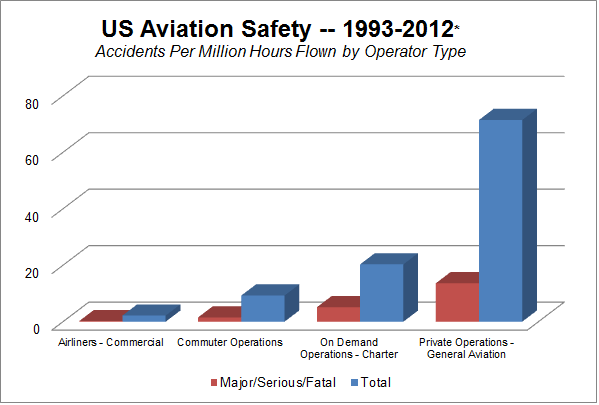
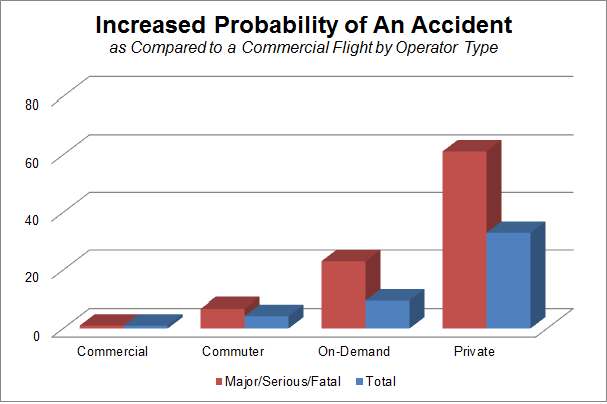
Private planes crash at 33x the rate of commercial flights.
https://rmas.fad.harvard.edu/pages/chartered-private-aircraft-0
Anonymous
06/05/2023 09:23
Subject: Re:What was the big boom?
Anonymous wrote:Anonymous wrote:Reminds me of Payne Stewart’s plane crash. Plane lost pressure and flew for almost 4 hours before crashing.
https://en.m.wikipedia.org/wiki/1999_South_Dakota_Learjet_crash
Was just going to post this reference to Payne Stewart. I remember this.
If this is the second time that this has happened in 25 years, then it's not a common occurrence.
It's pretty amazing how safe air travel is statistically.
Anonymous
06/05/2023 09:21
Subject: Re:What was the big boom?
Anonymous wrote:Reminds me of Payne Stewart’s plane crash. Plane lost pressure and flew for almost 4 hours before crashing.
https://en.m.wikipedia.org/wiki/1999_South_Dakota_Learjet_crash
Was just going to post this reference to Payne Stewart. I remember this.
Anonymous
06/05/2023 09:18
Subject: What was the big boom?
So sad. I’ve always been surprised by the casualty rich people have toward small planes. I get the appeal but it seems so risky.
Anonymous
06/05/2023 09:14
Subject: What was the big boom?
Anonymous wrote:The owner of the plane, whose daughter and granddaughter died the crash, lost another daughter in a scuba diving accident at age 19.
Victoria Landing gets its name from Victoria Rumpel. Victoria was John’s daughter who died tragically at the young age of nineteen in a scuba diving accident. John honors the memory of his daughter with the Victoria Landing name. With that honor comes the responsibility to make Victoria Landing the very best it can be…in commemoration of Victoria and in celebration of everything life can and should be. Life is simply too precious.
https://victorialanding.com/our-history/
What I learned from this incident: owning one memory care facility kicks off enough profits to afford a private jet with multiple flights per week. Wild.
Anonymous
06/05/2023 09:14
Subject: What was the big boom?
I read reporting last night that ATC lost contact with the pilots somewhere over New Jersey on the plane's flight to Long Island. So that's likely when the depressurization occurred.
So they were likely flying for 3+ hours while unconscious. The plane's autopilot seems to have turned the plane around at the Long Island airport when the pilot did not manually engage the landing procedures.
We are very lucky that this plane had enough fuel to crash in a rural area. It's just dumb luck that it didn't crash into a city or a busy area.
So they were likely flying for 3+ hours while unconscious. The plane's autopilot seems to have turned the plane around at the Long Island airport when the pilot did not manually engage the landing procedures.
We are very lucky that this plane had enough fuel to crash in a rural area. It's just dumb luck that it didn't crash into a city or a busy area.
Anonymous
06/05/2023 08:46
Subject: Re:What was the big boom?
Anonymous wrote:Anonymous wrote:I didn’t realize how many people have never experienced a sonic boom. I lived in CA about 40 miles from Edwards AFB and heard them too many times to count. Edwards is/was a testing site for AF, Boeing, and Northrop so it makes sense.
Fun fact.... My dad was an AF pilot who worked at Edwards researching supersonic flight. Yes - sonic booms have been a regular occurrence there for years.
Yep. My grandfather helped worked on the B2 bomber. It was a regular occurrence, like weekly.
Anonymous
06/05/2023 08:28
Subject: Re:What was the big boom?
Anonymous wrote:I didn’t realize how many people have never experienced a sonic boom. I lived in CA about 40 miles from Edwards AFB and heard them too many times to count. Edwards is/was a testing site for AF, Boeing, and Northrop so it makes sense.
Fun fact.... My dad was an AF pilot who worked at Edwards researching supersonic flight. Yes - sonic booms have been a regular occurrence there for years.
Anonymous
06/05/2023 08:28
Subject: What was the big boom?
Anonymous wrote:How do they know depressurization or hypoxia were the reason the pilot and passenger could not respond to orders? Could something else have been going on? Is this from an official announcement? Wouldn't they have to do an autopsy to come to this conclusion? I am ignorant - I had to look up the definition of hypoxia.
The military pilot made visual contact and saw that the pilot was passed out. No more has been said so far than that but obviously they did not see any other passengers in the cockpit trying to help.