Anonymous
 09/17/2021 11:12
Subject: Georgetown Jersey Barriers
09/17/2021 11:12
Subject: Georgetown Jersey Barriers
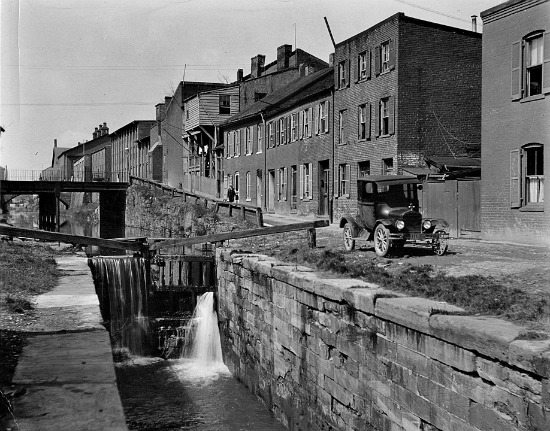
To the person posting old photos: now go look for historic photos from 1800 that have cars.

Anonymous
09/17/2021 11:08
Subject: Georgetown Jersey Barriers
Anonymous wrote:Anonymous wrote:Anonymous wrote:Anonymous wrote:Anonymous wrote:Anonymous wrote:Anonymous wrote:Anonymous wrote:I was through M Street this AM and was surprised. Pretty awful aesthetically and functionally, unless the goal is to discourage people from coming to Georgetown? If that’s the case, they’ve don’t a great job.
I completely disagree. Georgetown is much more pleasant with wider sidewalks. It seems most others agree, as it feels busier than ever.
Unfortunately, it’s not “busier than ever”. Do historic streets lined with depression grey-painted jersey barriers provide a welcoming aesthetic for a neighborhood highly dependent on attracting people to come and spend money? It looks it it’s working for you personally but it seems that you are not representative of general consumers.
https://dcist.com/story/21/03/11/georgetown-pushes-to-overcome-its-flurry-of-closures/
DP. I agree that the streets of Georgetown would be much more attractive with permanently wider sidewalks and fewer cars, driving or parked. The jersey walls should only be a temporary solution.
They could commission artists to paint them. They could instead use different materials in keeping with the historic character of the neighborhood, like iron. They could extend the sidewalk. They could go back to way it used to be. Instead they have chosen to make Georgetown look like it’s under military occupation, which is absolutely the worst possible choice for this historic neighborhood.
Actually I think that the omnipresent, unhistorical cars have a far bigger aesthetic and functional impact than the jersey walls on the historic character of Georgetown.
I am not sure what you are advocating, unless less safe streets and a return to horses and buggies (notably automobiles were originally called horseless carriages afterall).
The unpleasant aesthetics aside, particularly on the quality of the streetscape, the jersey barriers make the neighborhood less safe. Research demonstrates that barriers, and a jersey barrier is the most extreme, create less safe road conditions. Shared streets, particularly removing barriers, is the safest approach that would improve safety and the quality of the neighborhood.
I mean, sure, if you want all of Georgetown's streets to be shared streets. (And while we're at it, remove the Whitehurst Freeway.) I don't think the people who drive in Georgetown will like that, though.
So I guess you are arguing for the sake of arguing? Otherwise I don’t understand your point. No one should support streets lined with jersey barriers. M Street is not an interstate highway.
Anonymous
09/17/2021 11:06
Subject: Georgetown Jersey Barriers
Anonymous wrote:Anonymous wrote:Anonymous wrote:Anonymous wrote:Anonymous wrote:Anonymous wrote:I was through M Street this AM and was surprised. Pretty awful aesthetically and functionally, unless the goal is to discourage people from coming to Georgetown? If that’s the case, they’ve don’t a great job.
I completely disagree. Georgetown is much more pleasant with wider sidewalks. It seems most others agree, as it feels busier than ever.
Unfortunately, it’s not “busier than ever”. Do historic streets lined with depression grey-painted jersey barriers provide a welcoming aesthetic for a neighborhood highly dependent on attracting people to come and spend money? It looks it it’s working for you personally but it seems that you are not representative of general consumers.
https://dcist.com/story/21/03/11/georgetown-pushes-to-overcome-its-flurry-of-closures/
DP. I agree that the streets of Georgetown would be much more attractive with permanently wider sidewalks and fewer cars, driving or parked. The jersey walls should only be a temporary solution.
They could commission artists to paint them. They could instead use different materials in keeping with the historic character of the neighborhood, like iron. They could extend the sidewalk. They could go back to way it used to be. Instead they have chosen to make Georgetown look like it’s under military occupation, which is absolutely the worst possible choice for this historic neighborhood.
Actually I think that the omnipresent, unhistorical cars have a far bigger aesthetic and functional impact than the jersey walls on the historic character of Georgetown.

Anonymous
09/17/2021 11:04
Subject: Georgetown Jersey Barriers
Anonymous wrote:Anonymous wrote:Anonymous wrote:Anonymous wrote:Anonymous wrote:Anonymous wrote:Anonymous wrote:I was through M Street this AM and was surprised. Pretty awful aesthetically and functionally, unless the goal is to discourage people from coming to Georgetown? If that’s the case, they’ve don’t a great job.
I completely disagree. Georgetown is much more pleasant with wider sidewalks. It seems most others agree, as it feels busier than ever.
Unfortunately, it’s not “busier than ever”. Do historic streets lined with depression grey-painted jersey barriers provide a welcoming aesthetic for a neighborhood highly dependent on attracting people to come and spend money? It looks it it’s working for you personally but it seems that you are not representative of general consumers.
https://dcist.com/story/21/03/11/georgetown-pushes-to-overcome-its-flurry-of-closures/
DP. I agree that the streets of Georgetown would be much more attractive with permanently wider sidewalks and fewer cars, driving or parked. The jersey walls should only be a temporary solution.
They could commission artists to paint them. They could instead use different materials in keeping with the historic character of the neighborhood, like iron. They could extend the sidewalk. They could go back to way it used to be. Instead they have chosen to make Georgetown look like it’s under military occupation, which is absolutely the worst possible choice for this historic neighborhood.
Actually I think that the omnipresent, unhistorical cars have a far bigger aesthetic and functional impact than the jersey walls on the historic character of Georgetown.
I am not sure what you are advocating, unless less safe streets and a return to horses and buggies (notably automobiles were originally called horseless carriages afterall).
The unpleasant aesthetics aside, particularly on the quality of the streetscape, the jersey barriers make the neighborhood less safe. Research demonstrates that barriers, and a jersey barrier is the most extreme, create less safe road conditions. Shared streets, particularly removing barriers, is the safest approach that would improve safety and the quality of the neighborhood.
I mean, sure, if you want all of Georgetown's streets to be shared streets. (And while we're at it, remove the Whitehurst Freeway.) I don't think the people who drive in Georgetown will like that, though.
Anonymous
09/17/2021 10:50
Subject: Georgetown Jersey Barriers
Anonymous wrote:Anonymous wrote:Anonymous wrote:Anonymous wrote:Anonymous wrote:Anonymous wrote:I was through M Street this AM and was surprised. Pretty awful aesthetically and functionally, unless the goal is to discourage people from coming to Georgetown? If that’s the case, they’ve don’t a great job.
I completely disagree. Georgetown is much more pleasant with wider sidewalks. It seems most others agree, as it feels busier than ever.
Unfortunately, it’s not “busier than ever”. Do historic streets lined with depression grey-painted jersey barriers provide a welcoming aesthetic for a neighborhood highly dependent on attracting people to come and spend money? It looks it it’s working for you personally but it seems that you are not representative of general consumers.
https://dcist.com/story/21/03/11/georgetown-pushes-to-overcome-its-flurry-of-closures/
DP. I agree that the streets of Georgetown would be much more attractive with permanently wider sidewalks and fewer cars, driving or parked. The jersey walls should only be a temporary solution.
They could commission artists to paint them. They could instead use different materials in keeping with the historic character of the neighborhood, like iron. They could extend the sidewalk. They could go back to way it used to be. Instead they have chosen to make Georgetown look like it’s under military occupation, which is absolutely the worst possible choice for this historic neighborhood.
Actually I think that the omnipresent, unhistorical cars have a far bigger aesthetic and functional impact than the jersey walls on the historic character of Georgetown.
I am not sure what you are advocating, unless less safe streets and a return to horses and buggies (notably automobiles were originally called horseless carriages afterall).
The unpleasant aesthetics aside, particularly on the quality of the streetscape, the jersey barriers make the neighborhood less safe. Research demonstrates that barriers, and a jersey barrier is the most extreme, create less safe road conditions. Shared streets, particularly removing barriers, is the safest approach that would improve safety and the quality of the neighborhood.
Anonymous
09/17/2021 10:39
Subject: Georgetown Jersey Barriers
Anonymous wrote:Anonymous wrote:Anonymous wrote:Anonymous wrote:Anonymous wrote:I was through M Street this AM and was surprised. Pretty awful aesthetically and functionally, unless the goal is to discourage people from coming to Georgetown? If that’s the case, they’ve don’t a great job.
I completely disagree. Georgetown is much more pleasant with wider sidewalks. It seems most others agree, as it feels busier than ever.
Unfortunately, it’s not “busier than ever”. Do historic streets lined with depression grey-painted jersey barriers provide a welcoming aesthetic for a neighborhood highly dependent on attracting people to come and spend money? It looks it it’s working for you personally but it seems that you are not representative of general consumers.
https://dcist.com/story/21/03/11/georgetown-pushes-to-overcome-its-flurry-of-closures/
DP. I agree that the streets of Georgetown would be much more attractive with permanently wider sidewalks and fewer cars, driving or parked. The jersey walls should only be a temporary solution.
They could commission artists to paint them. They could instead use different materials in keeping with the historic character of the neighborhood, like iron. They could extend the sidewalk. They could go back to way it used to be. Instead they have chosen to make Georgetown look like it’s under military occupation, which is absolutely the worst possible choice for this historic neighborhood.
Actually I think that the omnipresent, unhistorical cars have a far bigger aesthetic and functional impact than the jersey walls on the historic character of Georgetown.
Anonymous
09/17/2021 10:33
Subject: Georgetown Jersey Barriers
Anonymous wrote:Anonymous wrote:Anonymous wrote:Anonymous wrote:I was through M Street this AM and was surprised. Pretty awful aesthetically and functionally, unless the goal is to discourage people from coming to Georgetown? If that’s the case, they’ve don’t a great job.
I completely disagree. Georgetown is much more pleasant with wider sidewalks. It seems most others agree, as it feels busier than ever.
Unfortunately, it’s not “busier than ever”. Do historic streets lined with depression grey-painted jersey barriers provide a welcoming aesthetic for a neighborhood highly dependent on attracting people to come and spend money? It looks it it’s working for you personally but it seems that you are not representative of general consumers.
https://dcist.com/story/21/03/11/georgetown-pushes-to-overcome-its-flurry-of-closures/
DP. I agree that the streets of Georgetown would be much more attractive with permanently wider sidewalks and fewer cars, driving or parked. The jersey walls should only be a temporary solution.
They could commission artists to paint them. They could instead use different materials in keeping with the historic character of the neighborhood, like iron. They could extend the sidewalk. They could go back to way it used to be. Instead they have chosen to make Georgetown look like it’s under military occupation, which is absolutely the worst possible choice for this historic neighborhood.
Anonymous
09/17/2021 10:27
Subject: Georgetown Jersey Barriers
Anonymous wrote:Anonymous wrote:I was through M Street this AM and was surprised. Pretty awful aesthetically and functionally, unless the goal is to discourage people from coming to Georgetown? If that’s the case, they’ve don’t a great job.
I completely disagree. Georgetown is much more pleasant with wider sidewalks. It seems most others agree, as it feels busier than ever.
The numerous shuttered storefronts do not jibe with your assessment.
Anonymous
09/17/2021 09:58
Subject: Georgetown Jersey Barriers
Yeah, I almost drove into one. Luckily I looked up from my phone before I did.
Anonymous
09/17/2021 09:57
Subject: Georgetown Jersey Barriers
Anonymous wrote:Anonymous wrote:Anonymous wrote:I was through M Street this AM and was surprised. Pretty awful aesthetically and functionally, unless the goal is to discourage people from coming to Georgetown? If that’s the case, they’ve don’t a great job.
I completely disagree. Georgetown is much more pleasant with wider sidewalks. It seems most others agree, as it feels busier than ever.
Unfortunately, it’s not “busier than ever”. Do historic streets lined with depression grey-painted jersey barriers provide a welcoming aesthetic for a neighborhood highly dependent on attracting people to come and spend money? It looks it it’s working for you personally but it seems that you are not representative of general consumers.
https://dcist.com/story/21/03/11/georgetown-pushes-to-overcome-its-flurry-of-closures/
DP. I agree that the streets of Georgetown would be much more attractive with permanently wider sidewalks and fewer cars, driving or parked. The jersey walls should only be a temporary solution.
Anonymous
09/17/2021 09:49
Subject: Georgetown Jersey Barriers
Anonymous wrote:Anonymous wrote:I was through M Street this AM and was surprised. Pretty awful aesthetically and functionally, unless the goal is to discourage people from coming to Georgetown? If that’s the case, they’ve don’t a great job.
I completely disagree. Georgetown is much more pleasant with wider sidewalks. It seems most others agree, as it feels busier than ever.
Unfortunately, it’s not “busier than ever”. Do historic streets lined with depression grey-painted jersey barriers provide a welcoming aesthetic for a neighborhood highly dependent on attracting people to come and spend money? It looks it it’s working for you personally but it seems that you are not representative of general consumers.
https://dcist.com/story/21/03/11/georgetown-pushes-to-overcome-its-flurry-of-closures/
Anonymous
09/17/2021 08:53
Subject: Georgetown Jersey Barriers
+1 I was there for the first time since before the pandemic yesterday, and even with the rain, having the extra sidewalk space was amazing.
Anonymous
09/17/2021 08:38
Subject: Georgetown Jersey Barriers
Anonymous wrote:I was through M Street this AM and was surprised. Pretty awful aesthetically and functionally, unless the goal is to discourage people from coming to Georgetown? If that’s the case, they’ve don’t a great job.
I completely disagree. Georgetown is much more pleasant with wider sidewalks. It seems most others agree, as it feels busier than ever.
Anonymous
09/17/2021 08:17
Subject: Georgetown Jersey Barriers
Anonymous wrote:I was through M Street this AM and was surprised. Pretty awful aesthetically and functionally, unless the goal is to discourage people from coming to Georgetown? If that’s the case, they’ve don’t a great job.
Were you driving?
Me, personally, I have always been discouraged from coming to Georgetown by all of the car traffic.
Anonymous
09/17/2021 08:15
Subject: Georgetown Jersey Barriers
I was through M Street this AM and was surprised. Pretty awful aesthetically and functionally, unless the goal is to discourage people from coming to Georgetown? If that’s the case, they’ve don’t a great job.